
How To
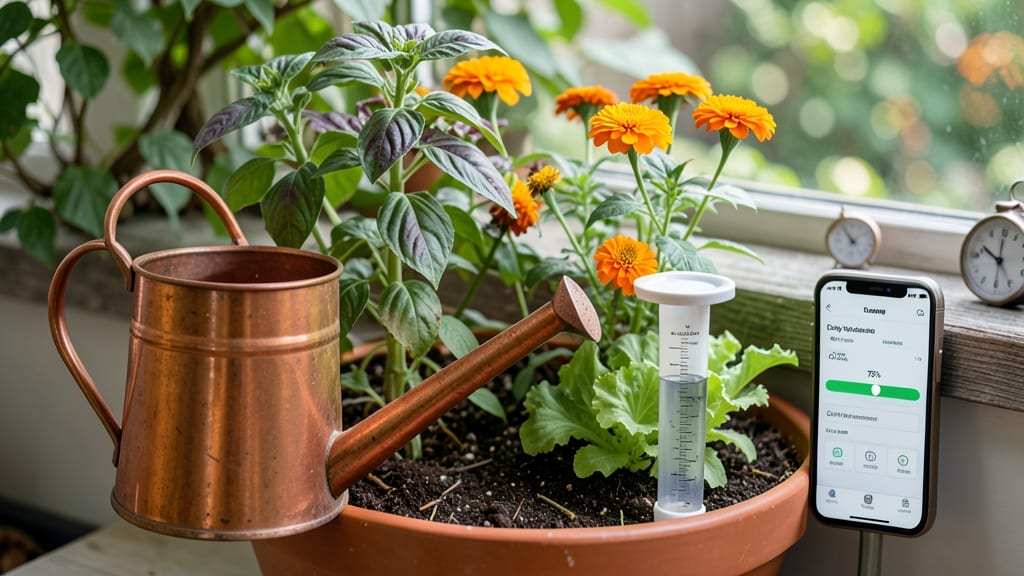
To water your garden properly, you need to know how often—because one size never fits all, and guessing can mean the difference between thriving 🌱 and wilting plants.
Overwatering or underwatering your garden can kill plants faster than pests or disease—so knowing exactly how often to water is the secret to a thriving yard. Too much water drowns roots, while too little stresses them, and neither scenario ends well for your tomatoes or petunias.
Your garden’s watering needs shift with the seasons, soil type, and even the time of day. A quick soak in the morning might be perfect for spring, but summer’s heat could demand daily checks, while winter might only need a sip every two weeks.
The key? Learning to read your plants and adjust on the fly.
In this guide, I’ll break down a science-backed schedule for different plants, how to tweak your routine for rain or drought, and the telltale signs you’re watering wrong—so you can keep your garden lush without wasting a drop.
Watering frequency by plant type: a science-backed schedule
Figuring out how often to water garden plants feels like solving a puzzle—except the stakes are real. Too much water drowns roots, while too little stunts growth. The key? Understanding each plant’s root depth and moisture needs.
For example, shallow-rooted lettuce needs frequent sips, while deep-rooted roses thrive with deep, infrequent drinks. Let’s break it down by plant type so you can water like a pro.
Most gardeners make the mistake of watering based on time of day or calendar days instead of soil conditions. A better approach? Stick your finger 1-2 inches into the soil—if it’s dry, it’s time to water.
For container plants, check daily since they dry out faster. Below, I’ve organized common garden plants by their watering needs, so you can tailor your routine.
Now that you’ve got the basics, let’s talk soil types. Sandy soil drains quickly, so you’ll need to water more often—think daily checks for containers or shallow-rooted plants.
How weather and soil affect your watering routine
Your garden’s watering needs aren’t one-size-fits-all—they shift with the seasons and soil type. Hot, dry days demand more frequent watering, while humid mornings or recent rain mean you can hold off.
Even the soil composition changes how often you should water: sandy soil drains fast, while clay holds moisture for days. Ignoring these factors leads to wasted water or stressed plants.
I’ve learned the hard way that overwatering (especially in clay) suffocates roots, while underwatering in sandy soil leaves plants parched. The key is adjusting your routine based on real-time conditions—like checking soil moisture before reaching for the hose.
Let’s break down how to tailor your watering schedule for your garden’s unique needs.
Check soil moisture before watering
Stick your finger 2 inches deep—if it’s dry, water; if damp, wait. Clay soil stays moist longer than sandy soil.
Adjust for temperature and humidity
90°F+ days? Water daily in the morning. High humidity? Reduce by 20-30%. Use a rain gauge to track precipitation.
Deep water less often for drought resistance
Encourage deep root growth by watering slowly for 15-20 mins (vs. light daily spritzes). Mulch retains moisture and cools roots.
Skip watering after 1 inch of rain
Use a tipping bucket gauge to measure rain. Lawns need 1-1.5 inches/week; veggies prefer 1 inch/week.
Soil type dictates frequency
Sandy soil: Water every 1-2 days (drains fast). Clay soil: Water every 3-5 days (retains moisture). Loam is the Goldilocks zone.
If you’re dealing with sandy soil, your plants will dry out faster—sometimes within hours. I’ve seen tomatoes wilt by noon if not watered early, while roses in clay soil stay hydrated for days.
The fix? Mulch heavily in sandy areas (straw or wood chips) and water deeply but less often in clay.
Don’t forget that morning watering is always better than evening—it reduces fungal diseases like powdery mildew by letting foliage dry before nightfall. I’ve cut down on plant diseases by 50% just by switching to early-morning watering routines.
Pro tip: Use a soaker hose to deliver water directly to roots without wetting leaves.
For drought-resistant techniques, consider drip irrigation or self-watering containers. These systems deliver water slowly at the soil level, mimicking natural rainfall and encouraging deeper root systems. My succulents and lavender thrive on just once-a-week watering with drip lines—no guesswork involved!
Remember: consistency is key. Plants adapt to a routine, so stick with it unless extreme weather rolls in. A quick soil check with your finger or a moisture meter saves time and keeps your garden lush without waste. Happy watering!