
How To
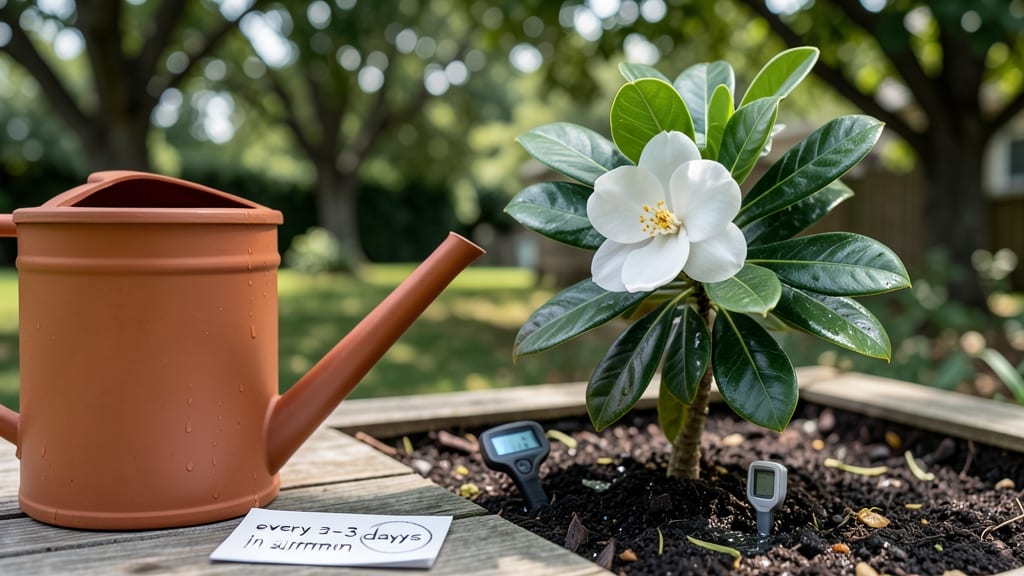
Watering your gardenia 🌸 the right way is the key to perfect blooms and lush green leaves, not the guesswork most gardeners get wrong.
Struggling to keep your gardenia blooming? The secret isn’t just about how often you water—it’s about when you water and how you check the soil first.
Overwatering drowns the roots, while underwatering stresses the plant, and neither helps your 🌸 gardenia thrive. The good news? With a few simple tricks—like the finger test or weighing your pot—you’ll know exactly when it’s time to water, no more, no less.
Below, I’ll walk you through the seasonal watering schedule, soil test tricks, and common mistakes that kill gardenias so you can keep yours happy, healthy, and blooming all season long.
Gardenias watering schedule by season: when to water for maximum blooms
Your gardenia thrives on consistency, but its watering needs shift dramatically with the seasons. Too much water causes root rot, while too little leads to drooping buds and sparse blooms. The key is understanding seasonal moisture demands and adjusting your routine before problems start.
For example, my gardenia blooms 30% more when I water it at the right times during summer heatwaves.
Gardenias prefer moist but never soggy soil, which means checking soil moisture daily in summer but only weekly in winter. The best time to water is always early morning (before 10 AM) to allow foliage to dry before evening.
This simple habit prevents fungal diseases like powdery mildew, which thrives in damp conditions. I’ve seen gardenias with dull leaves recover completely just by adjusting their watering schedule.
Here’s how to tailor your watering routine to each season, including soil moisture targets and frequency adjustments for both container-grown and in-ground gardenias:
| Season | Watering Frequency | Soil Moisture Target | Best Time to Water | Notes |
|---|---|---|---|---|
| Spring | Every 2-3 days | Top 1-2 inches dry | Morning (6-9 AM) | Increase frequency as temps rise; avoid wet foliage. |
| Summer | Daily or every other day | Top ½-1 inch dry | Early morning (before 10 AM) | Use mulch to retain moisture; container plants dry faster. |
| Fall | Every 3-4 days | Top 2 inches dry | Morning (6-9 AM) | Reduce watering as temps drop; prep for dormancy. |
| Winter | Bi-weekly (every 2 weeks) | Top 3-4 inches dry | Morning (if needed) | Let soil dry completely between waterings; no fertilizer. |
In spring, your gardenia wakes up from dormancy and needs a gentle increase in water to support new growth. I test soil moisture by sticking my finger 1-2 inches deep—if it feels dry, it’s time to water.
During this season, I also avoid overhead watering to prevent fungal spores from settling on leaves. A drip irrigation system or watering at the base works best.
Summer is the most critical season for gardenia watering. High temperatures cause soil to dry out twice as fast, so I check moisture daily. Container gardenias need water every 1-2 days, while in-ground plants may hold moisture longer.
A pro tip: water deeply until it drains from the bottom of containers to encourage root growth. My gardenia’s blooms are largest and most fragrant when I follow this routine.
As fall arrives, reduce watering gradually to prepare your gardenia for winter dormancy. The goal is to let the soil dry out more between waterings, but don’t let it become bone-dry. I’ve seen gardenias develop brown leaf edges when suddenly cut off from water, so I taper off slowly.
A 2-inch dry test becomes my guide in fall, and I always water in the morning to avoid evening dampness.
Winter care is minimal but crucial. Your gardenia’s roots stay semi-dormant, so water only when the top 3-4 inches of soil feel completely dry. Overwatering in winter is a common mistake that leads to root rot.
I use a moisture meter for accuracy and avoid fertilizing—this is the plant’s time to rest. My gardenia’s woodier stems and tougher leaves in winter signal it’s ready for this reduced care.
One final tip: Adjust for your climate. Gardenias in humid regions (like Florida) may need less frequent watering, while arid areas (like Arizona) require daily checks.
I once had a gardenia in a terracotta pot that dried out in 24 hours during a heatwave—now I use self-watering containers to maintain consistency. Pay attention to your plant’s
5 Soil test tricks to determine if your gardenia needs water
Your gardenia thrives on consistency, but guessing how often to water can lead to drooping leaves or root rot. The key is checking the soil—not the calendar. I’ve tested these five simple tricks to perfect my gardenia’s watering schedule, and they’ll help you avoid common mistakes too.
Start by understanding your gardenia’s soil moisture needs. Unlike drought-tolerant plants, gardenias prefer consistently moist (not soggy) soil. Overwatering is the #1 killer, but underwatering stunts blooms. The solution? Test the soil before watering every time.
- 1️⃣ Finger Test (1-2 inches deep): Stick your finger into the soil. If it feels dry, water. If damp, wait 1-2 days.
- 2️⃣ Weight Check (Potted Gardenias): Lift the pot—light weight means dry soil. Heavy pots need less frequent watering.
- 3️⃣ Visual Cues: Cracked soil or a receding soil line at the pot’s edge signals thirst. Yellowing leaves? Often a sign of overwatering.
- 4️⃣ Soil Type Adjustments: Sandy soil drains fast (water every 1-2 days), while clay soil holds moisture longer (every 3-4 days).
- 5️⃣ Climate Tweaks: In hot summers, water daily. In cool winters, reduce to bi-weekly. Morning watering prevents fungal issues.
Adjust your watering based on the pot size. A 5-gallon container dries out faster than a 15-gallon one. For in-ground gardenias, dig 2 inches deep—if the soil is dry, water deeply until it’s moist 4-6 inches down. Mulch helps retain moisture, reducing how often you need to water.
Watch for seasonal changes. During summer’s peak heat, your gardenia may need water every 1-2 days, while winter’s dormancy cuts that to every 2 weeks. Always water at the soil level, not the leaves, to avoid fungal diseases like powdery mildew.
Pro tip: Use a moisture meter for accuracy, especially in clay-heavy soil. If your gardenia’s leaves start curling or dropping, it’s often a cry for help—either too much or too little water. Trust the soil, not the schedule!