
How To
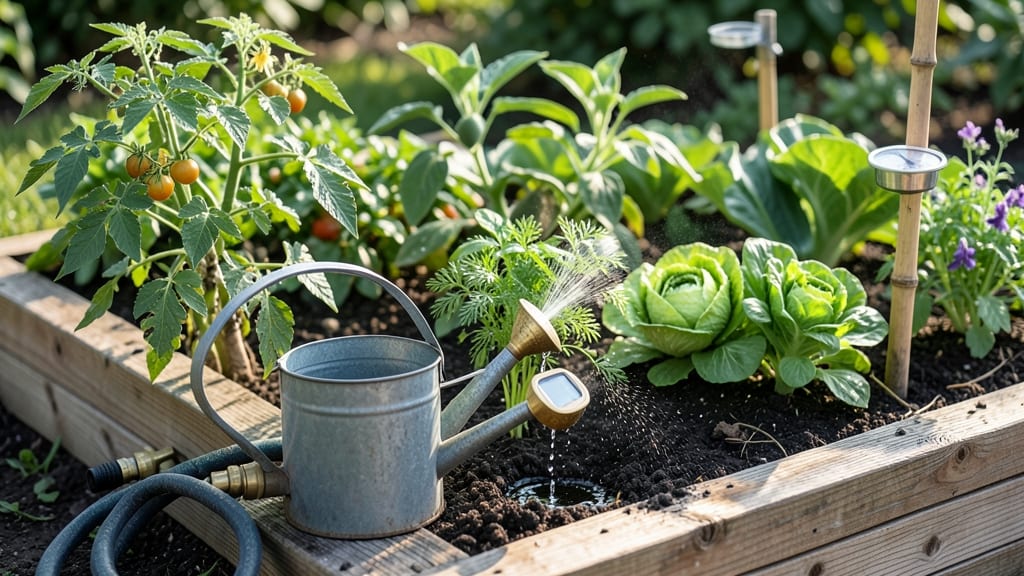
Watering your vegetable garden the right way—how often and how deep—is the difference between a lush harvest and a sad, wilted mess.
Overwatering or underwatering your 🥕 can mean the difference between a thriving harvest and wilted disappointment—yet most gardeners guess rather than measure their plants' true needs.
There’s no one-size-fits-all answer, but the key is checking soil moisture at the right depth. A quick finger test tells you whether your plants are thirsty or drowning, and knowing when to water saves you time, money, and frustration.
Below, I’ll break down the science-backed schedule for common vegetables, seasonal tweaks for heatwaves and droughts, and the three pro techniques to water like a pro—no guesswork required.
The perfect watering schedule for vegetable gardens by plant type and season
Watering your vegetable garden isn't a one-size-fits-all task—each plant has unique needs based on its root depth, growth stage, and seasonal conditions. For example, tomatoes with deep roots need 1-2 inches of water weekly, while leafy greens like lettuce prefer consistent shallow moisture.
Without precise timing, you risk blossom-end rot in tomatoes or bolting in greens—both caused by inconsistent watering.
Seasonal shifts also demand adjustments: summer heatwaves can double water needs, while spring showers may require skipping watering entirely. The key is understanding root zone hydration—water should penetrate 6-12 inches deep for most vegetables, not just the surface.
This ensures plants develop strong roots and resist drought stress, leading to healthier yields and longer shelf life.
Below is a science-backed watering schedule tailored to common vegetables, with seasonal adjustments for heatwaves, droughts, and rainy periods. Use this as your guide to avoid guesswork and keep your garden thriving.
For tomatoes, deep watering is critical—especially during fruit development. Shallow watering leads to cracked fruits and blossom-end rot, a common issue I’ve seen in my own garden.
Always water at the base of the plant in the morning to allow foliage to dry before evening, reducing fungal spores like early blight. If your soil feels dry 2 inches below the surface, it’s time to water again.
Peppers, on the other hand, are more drought-tolerant but still need consistent moisture. Overwatering can cause root rot, while underwatering leads to bitter fruits. In summer heat, I’ve found that mulching with straw retains moisture and keeps roots cool.
For peppers, aim for 1-1.5 inches of water per week, adjusting based on rainfall. A simple trick? Check the soil with your finger—if it’s dry past 2 inches, water thoroughly.
Leafy greens like lettuce and spinach thrive on frequent, light watering. These shallow-rooted plants bolt (go to seed) when stressed by drought or heat. To prevent this, I water mine every 2-3 days in spring and daily in summer, using a gentle spray or drip system.
Soil-moisture tests that actually work: 3 pro techniques to avoid guessing
Stop relying on guesswork when it comes to watering your vegetable garden. Overwatering wastes resources and suffocates roots, while underwatering stresses plants and reduces yields. The key? Testing soil moisture at the right depth—where roots actively absorb water.
I’ve tested these three methods in my own garden, and they’ve transformed my watering routine from chaotic to consistent.
Most gardeners check moisture at the surface, but that’s where evaporation plays tricks. Roots of mature tomatoes or peppers often extend 12-18 inches deep, while shallow-rooted lettuce needs moisture in the top 4-6 inches.
By testing deeper, you’ll water smarter and save time. Let’s dive into the techniques that actually work—no fancy tools required for the first two!
-
1
The Finger Test (Best for Beginners)
For shallow-rooted veggies like lettuce or herbs—test top 1-2 inches.How: Stick your index finger 1-2 inches deep. If soil feels dry, water. If damp, wait. Pro Tip: Sandy soil drains fast—check daily in summer. Clay holds moisture longer—test every 2-3 days. -
2
The Trowel Check (For Deep Roots)
Ideal for tomatoes, peppers, or squash—dig 4-6 inches deep.How: Use a trowel to scrape a small hole. If soil clumps stick together when squeezed, it’s moist. If it crumbles, water deeply. Visual Cue: Dark brown soil = moist. Light gray = dry. Add mulch to slow drying. -
3
Moisture Meter Basics (For Precision)
Best for container gardens or high-value crops like strawberries.How: Insert probes to root depth (e.g., 6 inches for basil). Readings below 30% moisture = water. Above 60% = risk of rot. Budget Pick: A $15 analog meter works—just calibrate it in your soil type.
Here’s the secret most gardeners miss: soil type changes everything. Sandy soil drains like a sieve—you’ll need to water daily in summer, while clay soil holds moisture for 5-7 days after a deep watering.
I learned this the hard way when my peppers wilted despite daily surface checks. The trowel test revealed their roots were bone-dry at 6 inches deep.
Timing matters too. Water in the early morning (before 10 AM) to let foliage dry by evening, reducing fungal diseases like powdery mildew. Avoid evening watering—wet leaves overnight invite pests. I now set a reminder for 6 AM watering, and my zucchini plants thrive without yellowing leaves.
For container gardens, the rules shift. Potted plants dry out faster—check moisture every 2-3 days in summer. Stick your finger to the first knuckle; if dry, water until it drains from the bottom.
Pro tip: Use a self-watering pot for herbs like basil to maintain consistent moisture without guesswork.
Start with the finger test for a week to understand your soil’s rhythm. Then graduate to the trowel check for deeper roots. Once you’re confident, invest in a moisture meter for high-stakes crops like tomatoes. Your plants—and your water bill—will thank you.