
How To
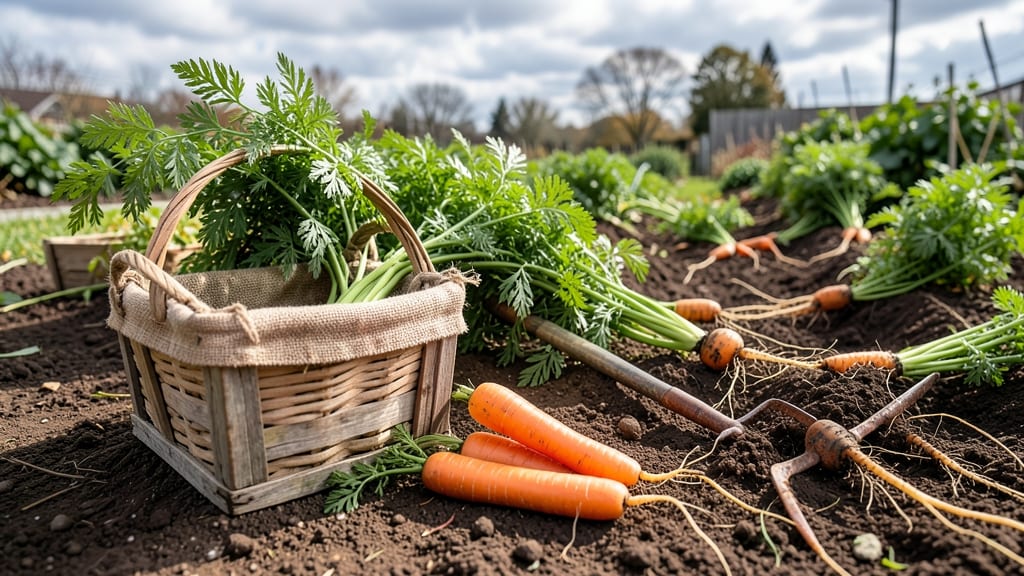
Harvesting carrots from seeds takes between 60 and 80 days for most varieties to reach peak sweetness, but timing depends on soil warmth and your chosen type.
Picture this: you’ve patiently waited, thinned those seedlings, and now your garden beds are covered in lush green tops. But when do you finally pull those 🥕 from the earth?
Too soon, and they’re bitter; too late, and they turn woody. The secret lies in soil temperature, variety, and a few simple checks that tell you exactly when to harvest.
Cool-season varieties like Danvers mature faster in 50–65°F soil, while Nantes and Chantenay take longer in warmer 65–75°F conditions. That’s why your spring-planted carrots might be ready in June, while fall crops stretch into October—without the right cues, you could miss the window entirely.
In this guide, I’ll break down the exact growth stages, soil triggers, and visual clues to harvest at the perfect moment—so you’re left with crisp, flavorful carrots, not sad, stringy leftovers.


Carrot growth timeline: weeks to harvest from seed by variety
Timing your carrot harvest correctly means the difference between sweet, crisp roots and tough, woody disappointments. Most varieties take 60-80 days from seed to harvest, but this can shift dramatically based on your soil temperature and carrot variety.
Cool-season crops like carrots thrive when soil stays between 50-85°F, with germination happening fastest at 60-70°F.
If you're planting in early spring or fall, cooler temperatures slow growth—sometimes extending the timeline by 2-3 weeks. Heat-loving varieties like Nantes mature faster in warm soil, while Danvers and Chantenay varieties prefer cooler conditions for optimal flavor.
Understanding these stages helps you plan for successive plantings all season long.
🌱 Key Growth Stages:
- Germination (5-14 days) – Tiny sprouts push through soil
- Leaf Emergence (14-21 days) – First true leaves appear
- Root Development (21-60 days) – Roots thicken and lengthen
- Harvest Readiness (60-80 days) – Firm, flavorful roots ready to pull
| Variety | Germination | Leaf Stage | Root Growth | Harvest Window | Ideal Soil Temp |
|---|---|---|---|---|---|
| Danvers | 7-14 days | 14-21 days | 45-60 days | 70-80 days | 50-75°F |
| Nantes | 5-10 days | 10-18 days | 30-50 days | 60-75 days | 60-85°F |
| Chantenay | 8-12 days | 14-20 days | 40-55 days | 65-75 days | 55-70°F |
*Timelines vary by soil conditions and climate
Let’s break down the Nantes variety, which is a favorite for home gardeners because it matures in just 60-75 days. These long, slender carrots grow best in warm soil (60-85°F), making them perfect for summer plantings.
If your soil stays cooler than 60°F, germination slows, and you might see 2-3 week delays in reaching harvest time.
For Danvers and Chantenay varieties, cooler soil temperatures (50-70°F) actually improve flavor and sweetness. These types are ideal for spring or fall gardens when daytime highs stay mild. If you plant them in hot summer soil, they may bolt (flower prematurely) or develop bitter, fibrous roots.
My pro tip: Use a soil thermometer to monitor temperatures. If your soil hits 85°F+, your carrots will mature faster but may lose sweetness. For baby carrots, harvest as early as 45-50 days—they’re perfect for salads and won’t overcrowd the bed.
If you’re growing heirloom or rainbow carrots, expect slightly longer timelines (75-90 days) since they often have thicker roots or unique shapes. These varieties need consistent moisture and loose soil to prevent forking (splitting). Use a fine seed starter mix or add sand/compost to improve drainage.
One common mistake is assuming all carrots take the same time to harvest. Short-season varieties like Paris Market (mini carrots) mature in just 50-60 days, while longer varieties like Imperator can take up to 90 days.
Always check the seed packet for days-to-maturity guidelines—this is your best friend for planning!
For successive harvests, plant new seeds every 2-3 weeks during the growing season. This ensures a steady supply of fresh carrots instead of one big harvest. Just remember: overcrowding leads to small, misshapen roots, so thin seedlings to 2-3 inches apart once they’re 2 inches tall.
Finally, don’t forget that harvest timing isn’t just about days—it’s about root size and texture. A carrot ready to harvest should pull easily from the soil with a gentle tug and have firm, vibrant skin.
If you wait too long, they’ll become tough and woody, no matter how many days have passed.
Soil temperature and seasonal triggers for peak carrot sweetness
Timing your carrot harvest based on soil temperature is the secret to unlocking that signature sweetness. Unlike many vegetables, carrots develop their best flavor when grown in cool but consistent conditions.
A soil thermometer becomes your most valuable tool—it tells you exactly when to plant and when to harvest, preventing those bitter, woody roots we all dread.
Carrots have two critical temperature phases: germination (50-60°F) and root development (60-75°F). If your soil stays below 50°F, seeds may rot before sprouting. But if it climbs above 80°F, roots grow fast but lose sweetness and become tough.
Finding that sweet spot means checking your thermometer daily, especially in spring and fall when temperatures fluctuate wildly.
In cool climates (USDA Zones 1-5), aim for spring planting when soil hits 50°F. For a fall crop, plant in early summer when temps drop below 75°F. In warm zones (Zones 6-10), focus on fall planting—seeds won’t germinate in summer heat, but cooler autumn soils create perfect harvest conditions by late fall or early winter.
Regional adjustments matter. In the Pacific Northwest, you might get two harvests: one in May and another in October. Meanwhile, gardeners in Florida or Texas should plant in September for a December harvest, avoiding summer’s brutal heat.
Always check your local frost dates—carrots need 60-80 days to mature, so time your planting to finish before the first frost hits.
Use seasonal triggers beyond temperature. Look for leaf growth slowing in hot weather—a sign roots are maturing faster.
In my garden, I’ve learned to harvest baby carrots (ready in 50 days) when soil temps dip below 65°F, while waiting for full-size roots when temps stay between 65-70°F. This flexibility lets you enjoy multiple harvests per season.
For early harvests, plant succession crops every 2 weeks in spring. For late harvests, use cold-hardy varieties like ‘Danvers’ or ‘Chantenay’, which tolerate light frosts.
Mulch heavily in fall to maintain stable soil temps and extend your harvest window. With these tricks, you’ll turn your garden into a year-round carrot factory.