
Vegetables
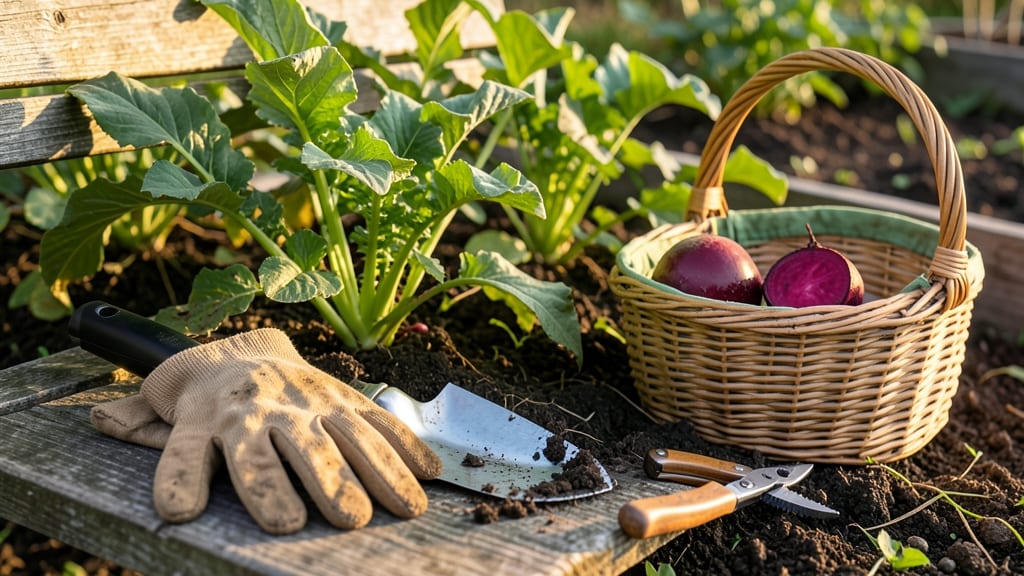
Growing beetroot from seed to harvest in just 55 days’ time is entirely possible when you pick the right variety and prep your soil like a pro 🍠.
Want to grow beets faster than ever? The time from seed to harvest can vary dramatically—some varieties take just 50 days, while others stretch to 70 days. The secret lies in choosing the right seeds, preparing your soil perfectly, and avoiding common mistakes that slow growth.
If you’ve ever planted beetroot only to watch it creep toward summer before the roots are ready, you know how frustrating it can be. But with the fastest-maturing varieties and a few simple soil tweaks, you can shave weeks off that timeline—even in USDA Zone 6a.
Below, I’ll walk you through the fastest varieties, the soil prep secrets that cut harvest time, and the three mistakes that turn a 55-day crop into a 70-day wait. Ready to speed up your garden?

Fastest beetroot varieties for quick seed-to-harvest success
If you're eager to harvest beetroots as fast as possible, selecting the right variety is your first advantage. Some types mature in just 50 days, while others take nearly twice as long.
The fastest varieties like 'Babybeat' or 'Detroit Dark Red' thrive in both cool and warm climates, but their speed depends on your growing conditions. Let’s explore the top contenders and how to maximize their potential.
Climate plays a surprising role in harvest time. In cooler regions, beetroots often take 5-7 extra days to mature compared to warm climates. This is because slower soil warming delays germination and early growth.
However, with the right preparation—like using black plastic mulch or raised beds—you can shave off 10 days or more from the timeline. Let’s break down the fastest varieties and their secrets.
| Variety | Days to Harvest | Ideal Climate | Root Size | Special Notes |
|---|---|---|---|---|
| Babybeat | 45-50 days | Cool to warm | 1-2 inches | Perfect for quick harvests; great for baby greens too |
| Detroit Dark Red | 50-55 days | Cool to moderate | 2-3 inches | Classic choice; stores well after harvest |
| Chioggia | 55-60 days | Warm to cool | 1.5-2.5 inches | Striped variety; slightly slower but unique flavor |
| Golden Detroit | 50-55 days | Warm climates | 2-3 inches | Sweet and tender; thrives in heat |
| Lutz Winterkeeper | 60-70 days | Cool climates | 3-4 inches | Long storage; slower but reliable |
'Babybeat' is my top recommendation for speed, delivering edible roots in just 45-50 days. This variety is ideal if you’re growing beets for quick salads or early-season harvests. For a balance of speed and storage life, 'Detroit Dark Red' is a close second, maturing in 50-55 days and storing well after harvest. Both thrive in cool to moderate climates, making them versatile for most gardeners.
If you’re in a warmer climate, consider 'Golden Detroit', which matures just as fast as 'Babybeat' but offers a sweeter, golden hue. Its tolerance for heat makes it a standout for late-summer plantings.
Meanwhile, 'Chioggia' adds visual interest with its striped roots but takes slightly longer (55-60 days). Its unique appearance often justifies the extra wait for gardeners who love variety.
For cool-season gardens, 'Lutz Winterkeeper' is worth mentioning despite its longer 60-70 day harvest time. Its ability to store for months makes it a favorite for fall and winter use, even if it’s not the fastest option.
To speed up its growth, I recommend planting in raised beds with added compost, which warms the soil faster and encourages quicker germination.
One of the biggest mistakes I see is planting beetroot seeds too late in the season. For fastest results, aim to sow seeds 4-6 weeks before your last frost date. In warm climates, you can also plant again in late summer for a fall harvest.
Pair this with consistent moisture—beetroots hate drying out—and you’ll see roots swell and mature at record speed.
Pro tip: Use black plastic mulch in cooler climates to warm the soil and speed up germination by 3-5 days. This simple trick can make the difference between a 50-day and a 55-day harvest, especially for varieties like 'Babybeat' or 'Detroit Dark Red'.
Just remove the mulch once seedlings emerge to prevent overheating.
Finally, don’t overlook companion planting. Beetroots grow well alongside lettuce, onions, and brassicas but struggle near pole beans or sunflowers, which compete for nutrients. By pairing them with the right neighbors, you’ll create an environment where they thrive faster, shaving off critical days from your harvest timeline.
With the right variety and a few smart growing tricks, you can enjoy homegrown beetroots in under 60 days. Start with 'Babybeat' for the fastest results, or choose 'Detroit Dark Red' for a balance of speed and storage.
Either way, your garden will be bursting with fresh, vibrant beets in no time! 🌱
Soil preparation secrets to reduce beetroot seed-to-harvest time
Beetroots thrive when the soil is rich and well-prepared, which can cut your seed-to-harvest time by up to 15 days. The key is creating a nutrient-dense, loose environment that encourages rapid root development.
Start by testing your soil's pH balance—beets prefer a slightly acidic to neutral range of 6.0 to 7.0. If your soil is too alkaline, amend it with sulfur or peat moss to lower the pH gradually.
Next, focus on improving drainage and aeration. Beetroots hate soggy soil, which can lead to rot and stunted growth. Work in compost or well-rotted manure to loosen heavy clay soils, and consider adding coarse sand or perlite for better drainage.
This step alone can accelerate germination by 3-5 days by ensuring seeds don’t sit in cold, wet conditions.
- 1. Test soil pH (aim for 6.0-7.0) using a home test kit or send a sample to your local extension office. Adjust with lime (to raise pH) or sulfur (to lower pH) 2-3 weeks before planting.
- 2. Add organic matter: Mix in 2-3 inches of compost or well-aged manure to improve fertility and moisture retention. Avoid fresh manure, which can burn seeds and delay germination.
- 3. Loosen soil depth: Dig down 12-15 inches to break up compacted layers. For heavy clay, add coarse sand or perlite to improve drainage and encourage faster root penetration.
- 4. Incorporate phosphorus: Beets need phosphorus for root development. Add a bone meal or rock phosphate at planting time (follow package rates). This boosts early growth and can reduce harvest time by 7-10 days.
- 5. Use companion plants: Plant onion, garlic, or lettuce nearby to deter pests and improve soil structure. Avoid planting near pole beans or sunflowers, which compete for nutrients and slow growth.
- 6. Mulch after planting: Apply a 2-inch layer of straw or shredded leaves to retain moisture and suppress weeds. Keep mulch 2 inches away from stems to prevent rot.
Don’t overlook the power of warmth and moisture during germination. Beetroot seeds germinate best in soil temperatures of 70-80°F. If your spring soil is still cold, use a black plastic mulch to warm the soil faster.
Keep the soil consistently moist but not waterlogged—aim for 1 inch of water per week—until seeds sprout. Overwatering can delay germination by creating anaerobic conditions.
Finally, consider direct seeding instead of transplants, as beetroots hate root disturbance. Plant seeds ½ inch deep in rows spaced 12 inches apart, then thin seedlings to 3-4 inches apart once they’re 2 inches tall.
This spacing reduces competition and ensures your beets grow larger and faster. With these soil prep secrets, you’ll shave critical days off your harvest timeline and enjoy sweeter, more tender beets in record time.
Pro tip: If you’re in a short-season climate, opt for fast-maturing varieties like 'Babybeat' (ready in 45 days) and pair them with these soil prep steps for the fastest possible harvest. Happy planting! 🌱