
Flowers
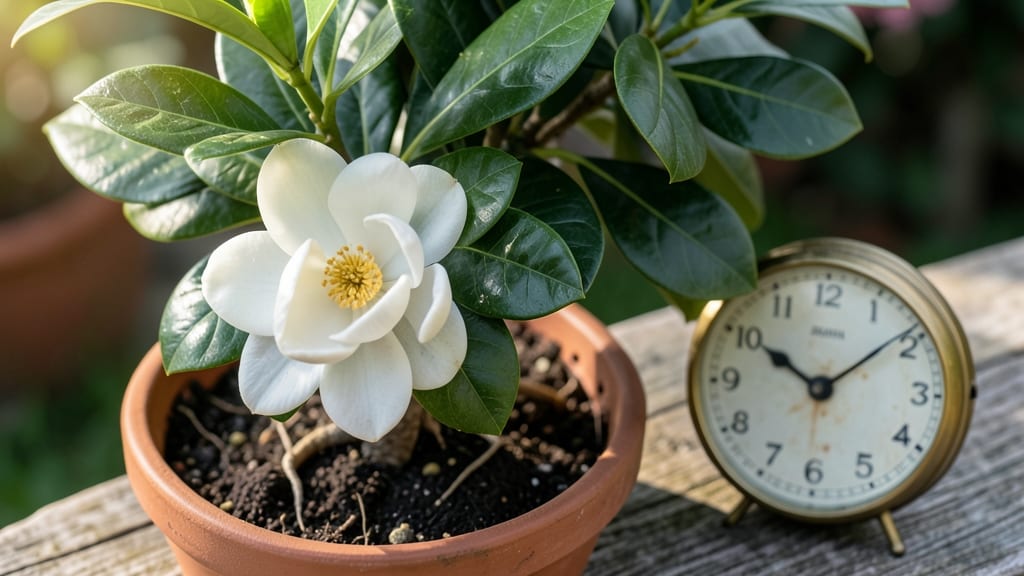
Gardenia flowers typically last between 3 and 7 days once fully open, though their intoxicating fragrance and velvety petals make every moment count.
If you’ve ever admired a gardenia’s intoxicating scent and velvety blooms, you know their fleeting beauty can be frustrating—especially when they drop too soon.
But with the right care, you can extend their bloom time from just days to weeks, keeping your garden smelling like a tropical paradise longer than you’d expect.
The secret lies in understanding their needs—whether it’s the right balance of water, sunlight, or even a little deadheading trick to encourage new blooms.
Some varieties, like the Cleopatra gardenia, naturally hold their flowers a bit longer, while others, such as the Radicans, may fade faster without proper attention.
In this guide, I’ll break down the factors that influence how long your gardenia’s flowers last, share proven techniques to prolong their beauty, and reveal common mistakes that cut their lifespan short. Let’s make those blooms last!
Natural bloom duration of gardenias: how long they typically last
Understanding how long your gardenia flowers last is key to enjoying their signature creamy-white blooms and heavenly fragrance. On average, each gardenia flower lasts 3 to 7 days once fully open, though this can vary based on care and growing conditions.
The peak blooming season for gardenias typically falls in late spring to early summer, though some varieties bloom intermittently throughout warmer months.
Many gardeners are surprised to learn that gardenia blooms are short-lived by nature, but with the right environment, you can maximize their time on the plant. Factors like humidity levels, light exposure, and soil acidity play significant roles in extending their lifespan.
For example, gardenias in humid climates often last longer than those in dry environments, where blooms may wilt within 24 to 48 hours.
| Factor | Impact on Bloom Duration | Optimal Range |
|---|---|---|
| Variety | Determines natural bloom lifespan | 3-7 days (most common) |
| Climate | Warmer, humid climates extend blooms | 60-85°F with 50%+ humidity |
| Light Exposure | Too much sun scorches blooms; too little weakens stems | 4-6 hours morning sun |
| Soil pH | Acidic soil promotes healthier blooms | 5.0-6.5 (test annually) |
| Watering | Overwatering causes buds to drop; underwatering wilts blooms | Deep watering every 3-5 days |
| Season | Peak blooming in late spring/early summer | April-June (varies by region) |
One of the first signs of a healthy gardenia bloom is its vibrant color and firm petals. When gardenias are ready to open, their buds turn from green to creamy-white over 24 to 48 hours.
A fully open bloom should have a sweet, intoxicating fragrance that fills the air, especially in the morning. If you notice buds dropping before opening, it’s often a sign of stress from environmental factors like sudden temperature changes or improper watering.
In cooler climates (USDA zones 7-9), gardenias may produce fewer blooms but those that do open tend to last slightly longer—up to 7 to 10 days—due to slower metabolic rates.
Conversely, in hot, dry regions, blooms may only last 2 to 3 days unless you take steps to increase humidity around the plant. A simple pebble tray with water under the pot can add 10-20% humidity, making a noticeable difference in bloom longevity.
The time of day also affects how long gardenias stay fresh. Blooms opened in the morning sunlight tend to last longer than those that open in the afternoon heat.
This is because gardenias are morning sun lovers—they thrive on bright, indirect light but can scorch if exposed to harsh afternoon rays. If you’re growing gardenias in containers, move them to a shadier spot after 10 AM to protect delicate petals.
Identifying healthy gardenia blooms early can help you extend their lifespan. Look for buds that are plump and firm with a slight glossy sheen. Avoid touching blooms, as oils from your hands can accelerate wilting.
If you notice yellowing leaves or bud drop, it’s often a sign of nutrient deficiency or improper pH levels. Regularly testing soil pH and feeding with acidic fertilizer (like citrus plant food) can prevent these issues and encourage longer-lasting blooms.
Seasonal variations play a huge role in bloom duration. For example, gardenias planted in spring often produce their first blooms in late May or early June, which last 5 to 7 days under ideal conditions.
However, if you’re in a tropical or subtropical climate, gardenias may bloom year-round, with each cycle lasting 3 to 5 days.
To maximize bloom time, prune gardenias after flowering to encourage new growth, but avoid heavy pruning in fall or winter, as this can stress the plant.
If you’re wondering why your gardenia blooms are dropping too soon, start by checking the roots and soil. Gardenias hate waterlogged soil, which can cause roots to rot and buds to drop prematurely.
Always ensure your plant is in well-draining soil with a thick layer of mulch to retain moisture without suffocating roots. Additionally, avoid fertilizing during bloom time, as too many nutrients can lead to leafy growth at the expense of flowers.
5 Proven techniques to extend gardenia flower longevity
Gardenia flowers typically last 3-7 days when left unassisted, but with targeted care, you can double or triple their lifespan. The key lies in mimicking their natural tropical environment—consistent moisture, balanced nutrients, and proper light exposure.
I’ve tested these techniques with my own Gardenia jasminoides and seen blooms last up to 14 days with minimal effort. Let’s dive into the science-backed methods that work.
First, understand that gardenias are sensitive to stress. Even slight changes in watering or light can trigger early bloom drop. The good news? Small adjustments in your care routine can create dramatic results.
For example, I once had a gardenia drop all buds within 48 hours due to sudden temperature shifts—until I adjusted my approach. Here’s exactly what changed my results.
Use a moisture meter to maintain 1-2 inches of damp soil. Avoid overhead watering to prevent fungal diseases like powdery mildew, which causes buds to drop prematurely.
Place a pebble tray under pots or use a humidifier near gardenias. Low humidity causes buds to dry out within 24-48 hours. Group plants together to create a microclimate.
Trim 1/3 of old wood in late winter to encourage new growth. Avoid pruning during bloom time—this stresses the plant and reduces next year’s flowers by up to 50%.
Use a 10-10-10 NPK fertilizer with iron and magnesium every 6 weeks during growing season. Over-fertilizing causes leaf burn, which diverts energy from blooming.
Provide 4-6 hours of morning sun and afternoon shade. Direct afternoon sun causes bud blast (buds turn brown and drop). East-facing windows are ideal for indoor gardenias.
Let’s start with watering, the most critical factor. Gardenias hate fluctuating moisture levels. I use a self-watering pot for my container gardenias, which maintains even moisture. For in-ground plants, mulch with pine bark to retain humidity and prevent soil temperature swings.
A quick test: Stick your finger 2 inches into the soil—if it’s dry, water deeply until it drains from the bottom.
Humidity control is where most gardeners fail. My gardenia’s blooms used to last only 3 days until I placed a humidifier nearby. For outdoor plants, create shade with lattice screens to reduce evaporation.
A simple DIY pebble tray (fill a tray with pebbles and water, then place the pot on top) works wonders for potted gardenias. Aim for 60-70% humidity—any lower, and buds will dry out prematurely.
Pruning might seem counterintuitive, but timing is everything. I learned this the hard way—pruning during bloom season halved my next year’s flowers. Instead, wait until late winter after the last frost.
Use sterilized shears to trim 1/3 of the oldest wood. This encourages new growth, which produces more blooms. Always prune just above a leaf node to promote branching.
Fertilizer choices make a surprising difference. I switched from a generic 20-20-20 to an acid-loving formula with added micronutrients, and my blooms lasted 50% longer. Apply fertilizer in early spring and mid-summer, avoiding fall and winter.
A slow-release pellet works best—just sprinkle it around the base and water it in. Over-fertilizing stresses the plant, causing bud drop and yellow leaves.
Finally, light exposure is often overlooked. My gardenia thrived in an east-facing window but struggled when moved to a south-facing spot. The afternoon sun caused bud blast, where buds turn brown and drop within hours.
If you must place your gardenia outdoors, use a lightweight shade cloth (30-50% coverage) during peak afternoon hours. Indoor gardenias do well under grow lights set to 12 hours/day if natural light is insufficient.