
How To
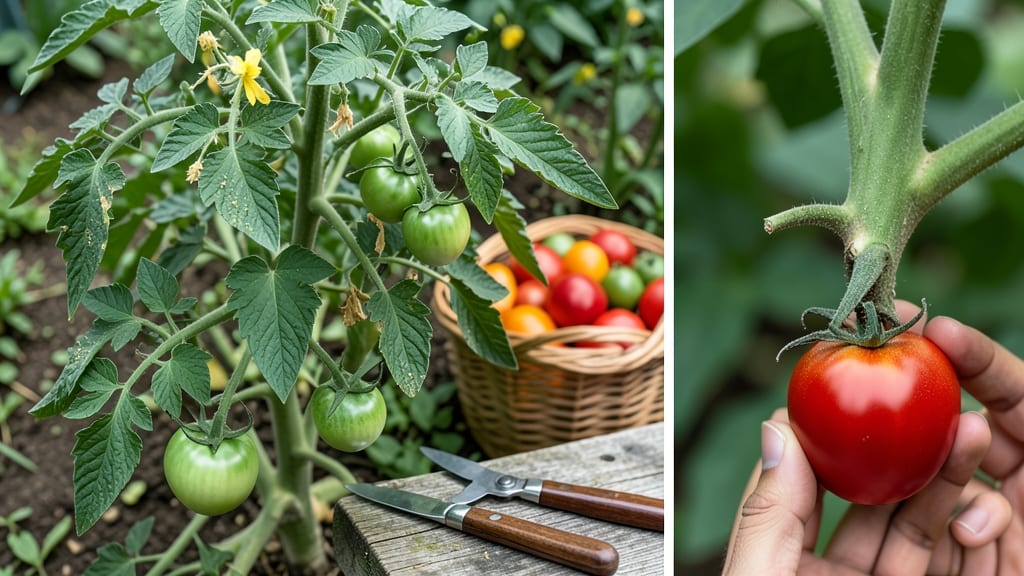
Knowing when to harvest your pot-grown plants is all about reading the signs—whether it’s the firmness of a tomato 🍅, the scent of basil, or the color of petunia blooms.
Picture this: You’ve nurtured your 🏺 for months, and now the moment of truth arrives. Harvest too early, and you’re left with underdeveloped flavors or flowers. Wait too long, and you risk bitter herbs or overripe produce that falls apart at the touch.
The key lies in simple checks: size, color, and texture. A ripe cherry tomato should snap easily when gently squeezed, while basil leaves should release their signature aroma when crushed. For flowers like petunias, vibrant color and fully unfurled blooms signal peak harvest time.
Below, I’ll walk you through the visual cues and practical tips—like the finger test for soil moisture or reading plant labels—to help you decide exactly when to pick. No more guesswork, just perfect timing for your garden’s best yield.


How to check resin cloudiness for perfect harvest timing
One of the most precise ways to determine harvest timing is by examining the resin cloudiness on your cannabis buds. These tiny, crystal-like structures—called trichomes—are packed with THC and CBD, and their appearance shifts dramatically as they mature.
Beginners often overlook this step, but mastering it can transform your yield from good to extraordinary.
Trichomes start clear and empty during early growth, then turn cloudy and opaque as they fill with cannabinoids. Finally, they develop amber or orange hues, signaling the end of the flowering cycle.
Each stage corresponds to a different level of potency and effects, so knowing how to read them is essential for maximizing your harvest's quality.
To check resin cloudiness, you’ll need a magnifying tool (like a jeweler’s loupe) or a digital microscope. Without one, your eyes alone can still spot the general cloudiness, but finer details—like the ratio of clear to amber trichomes—will be harder to assess.
Start by selecting a few buds from different parts of the plant to get a representative sample.
Here’s how the trichome stages break down and what they mean for your harvest:
| Trichome Stage | Appearance | THC/CBD Levels | Best For | Harvest Window |
|---|---|---|---|---|
| Clear | Transparent, empty-looking | Low THC, high CBD potential | Early veg stage | Not ready (wait) |
| Cloudy | Opaque, milky white | Peak THC, balanced CBD | Prime harvest time | Ideal for most growers |
| Amber | Golden, orange-brown | High CBD, lower THC | Medical/relief-focused | Late harvest (softer effects) |
| Mixed (50/50) | Half cloudy, half amber | Balanced potency | Versatile use | Flexible timing |
For the best balance of effects, aim to harvest when 70-80% of trichomes are cloudy with only a few amber ones visible. This stage delivers the highest THC levels while keeping CBD in check for a potent, euphoric experience.
If you wait too long, amber trichomes dominate, shifting the cannabinoid profile toward CBD and creating a more relaxing, sedative high.
Pro growers often use a trichome ratio test: count 10 trichomes under magnification and note the percentages. For example, if 7 out of 10 are cloudy and 3 are amber, you’re in the sweet spot. This method removes guesswork and ensures consistency across multiple harvests.
Lighting also affects trichome development. LED grow lights with full-spectrum settings can accelerate cloudiness, while HPS lights may slow the process. If you’re using natural light, expect trichomes to mature more gradually, especially in cooler climates. Always adjust your harvest timeline based on your specific grow setup.
One common mistake is harvesting based solely on bud size or smell without checking trichomes. Buds can look and smell ready while still being underdeveloped, or they might appear overripe when trichomes are still mostly cloudy. Always cross-reference resin cloudiness with other harvest indicators like pistil color for accuracy.
If you’re growing for medical use, you might prefer buds with more amber trichomes, as they contain higher levels of CBD and terpenes like myrcene and pinene.
These compounds are excellent for pain relief and relaxation. For recreational use, stick to the cloudy-dominant stage for a stronger, more uplifting high.
Remember, trichomes aren’t the only factor—bud density, smell, and pistil color all play a role. But mastering resin cloudiness gives you a scientific edge over trial-and-error harvesting. With practice, you’ll develop an eye for trichome patterns and nail your harvest timing every time.
Pistil color changes: the hidden signs your cannabis is ready
When your cannabis plants start showing pistil color changes, it’s nature’s way of telling you the harvest window is near. These tiny hair-like structures, called pistils, begin as white and gradually transform into orange or reddish-brown hues.
This shift is your first visual cue that the buds are maturing and nearing peak potency.
Ignoring pistil color changes can lead to missed harvest windows. If you wait too long, the buds may become overripe, losing their potency and developing harsh flavors. On the flip side, harvesting too early means sacrificing THC levels and overall yield quality.
Paying attention to these subtle shifts ensures you’re ready to harvest at the perfect moment.
Female cannabis plants are the ones you want to focus on. Their pistils start white and curl outward as they mature. As the plant nears harvest, these pistils begin to shift to orange, starting from the base of the bud and working upward.
This color change indicates the resin production is peaking, which is when the THC and CBD levels are at their highest.
To check pistil color accurately, use a magnifying glass or a 10x loupe for a closer look. Focus on the bud’s calyx, where the pistils are most concentrated. If you see 50-70% orange pistils, your buds are likely at peak maturity.
However, if you notice more than 70% orange, the buds may be overripe, and the THC levels could start to degrade.
Another critical step is distinguishing between female and hermaphrodite plants. Hermaphrodites develop both pistils and pollen sacs, which can pollinate your female buds and ruin your harvest. If you spot any pollen sacs (small, round structures) along with pistils, remove the hermaphrodite plant immediately to protect your yield.
Timing your harvest based on pistil color changes ensures you’re ready to harvest at the optimal moment. Combine this method with checking trichome maturity and bud density for the most accurate harvest timing. By mastering these visual cues, you’ll maximize your yield quality and potency every time.