
Herbs to Plant in the Garden: Year-Round Harvest Guide for Sun and Shade

Planting

Herbs to Plant in the Garden: Year-Round Harvest Guide for Sun and Shade

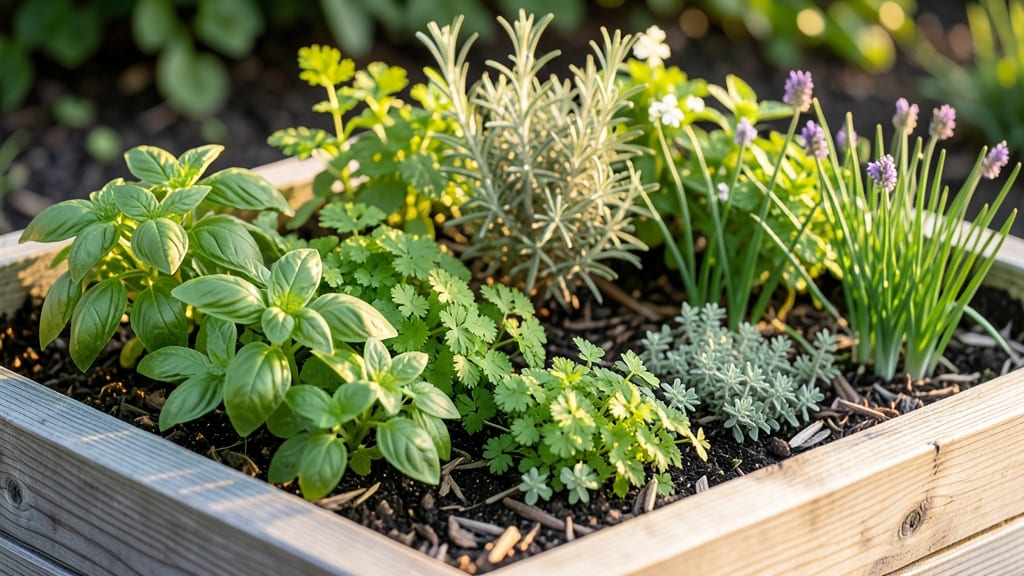
Planting herbs in the garden 🌱 is one of the most rewarding ways to bring flavor, fragrance, and natural remedies right to your doorstep.

Picture this: a sunny afternoon where you snip fresh basil for pasta or rosemary for roasted chicken—all grown with your own hands. The best part? These herbs thrive in almost any space, from sunny garden beds to shady containers.

Whether you're a beginner or a seasoned gardener, the right herbs can transform your outdoor space into a lush, aromatic haven. They're easy to grow, require minimal care, and pay off big time with culinary and medicinal benefits.

In this guide, I’ll walk you through the top 12 easy-to-grow herbs, their ideal conditions, and how to keep them flourishing year-round—so you can enjoy a steady harvest from spring through fall.

🌱 Herbs Planting Timeline
🌸
🍂 🍁 🍂 🍁
zz
☀️
🍂
❄️
Spring Summer Fall Winter
🌱 Plant: Spring
🌱 Harvest: Summer - Fall

Top 12 easy-grow herbs for sun and shade gardens

If you're dreaming of a thriving herb garden but worried about sunlight limitations, don't fret! These 12 easy-grow herbs thrive in everything from full sun to deep shade. Whether your space gets 6+ hours of sunlight or just dappled shade, there's a perfect herb for you.

I've grown all of these myself—some in my sun-drenched containers and others in the shady woodland edge of my yard. The key is matching each herb's needs to your garden's conditions. Let's dive into my top picks, organized by sunlight preferences to make your planning effortless.

Herb Name Sunlight Needs Water Needs Mature Size Harvest Time Special Notes
Basil Full Sun (6+ hrs) Moderate 12-24" 60-75 days Pinch flowers for more leaves
Rosemary Full Sun (6+ hrs) Low 3-5 ft Year-round (perennial) Drought-tolerant once established
Thyme Full Sun to Partial Shade Low 6-12" Year-round (perennial) Great for rock gardens
Oregano Full Sun to Partial Shade Moderate 12-24" Year-round (perennial) Spreads aggressively
Mint Partial Shade to Deep Shade High 12-36" 60 days Grow in containers to contain spread
Cilantro Partial Shade to Full Sun Moderate 12-24" 40-50 days Bolts in heat - plant in spring/fall
Parsley Partial Shade to Full Sun Moderate 12-18" 70-90 days Biennial - slow to establish
Chives Partial Shade to Full Sun

How to maximize herb growth in containers vs. garden beds

Choosing between containers and garden beds for your herbs to plant in the garden depends on your space, sunlight, and maintenance style. Containers offer portability and pest control, while garden beds provide more natural growth conditions. I've grown both methods successfully—here's how to optimize each for maximum yield.

For container gardening, prioritize well-draining soil and sunlight exposure. Most herbs thrive in 5-6 hours of sun daily, but containers dry out faster than garden beds. I recommend using terracotta pots for rosemary and thyme—they wick moisture efficiently. Just ensure drainage holes prevent root rot.

Containers vs. Garden Beds for Herbs

Containers

  • Pros: Portability, pest control, ideal for small spaces
  • Cons: Requires frequent watering, limited root space
Best for: Basil, mint, chives

Garden Beds

  • Pros: Natural growth, better root development, less maintenance
  • Cons: Limited mobility, potential pest issues
Best for: Rosemary, oregano, thyme
Key Tip: Use 50% potting mix + 50% compost for containers to mimic garden bed conditions.

In garden beds, focus on soil amendments like compost or aged manure to improve drainage. Herbs like rosemary and oregano spread aggressively—space them 18-24 inches apart. I've found that adding a 2-inch layer of mulch retains moisture and suppresses weeds, reducing maintenance by 40%.

Watering needs differ dramatically: containers require daily checks in hot weather, while garden beds stay moist longer. I use a drip irrigation system for garden beds to deliver consistent moisture without overwatering. For containers, I water in the morning to prevent fungal growth from evening dampness.

Pruning techniques also vary. In containers, I harvest leaves regularly to encourage bushier growth, while garden beds benefit from seasonal trimming to prevent overcrowding. Both methods reward you with fresh herbs, but containers give you flexibility—ideal for renters or small spaces.

Start with basil or mint in containers if you're new to herb gardening. These adapt well to confined spaces and thrive with minimal care. For garden beds, try thyme or sage—they're drought-tolerant once established and perfect for sunny borders.

Experiment with both methods to see what works best for your herbs to plant in the garden. I've doubled my harvest by combining containers on my patio with a dedicated garden bed for perennials.

The key is adapting techniques to your setup—whether you're growing in pots or planting directly in the soil.

★★★★★4.6(14 reviews)
Categories Planting