
Vegetables
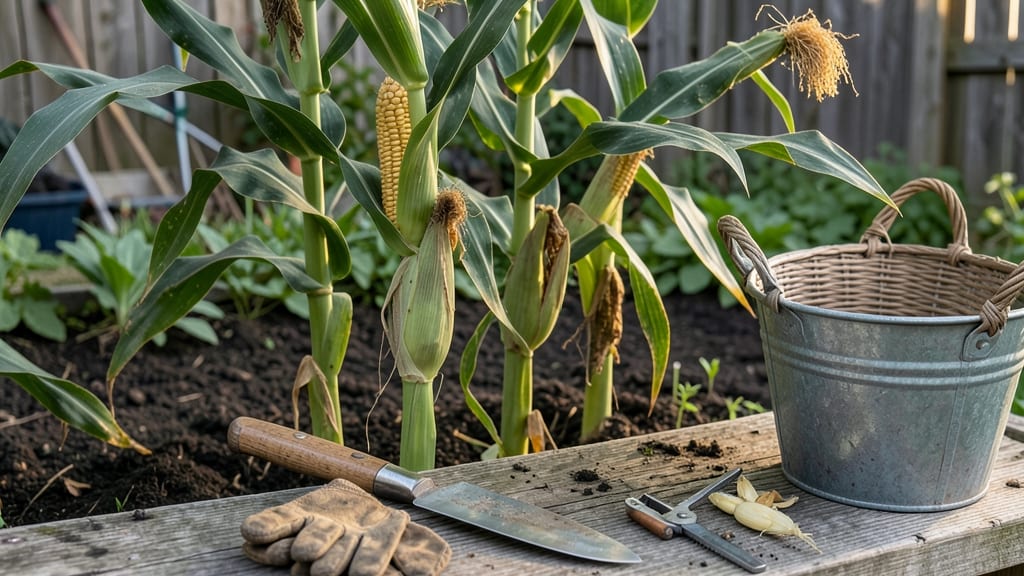
Harvesting corn at the right time ensures sweet, tender kernels instead of tough, starchy cobs — and the harvest season for corn varies more than you might think.
Picture this: you’ve nurtured your 🌽 plants all summer, only to pull a cob that’s hard as a rock or so starchy it might as well be flour. Timing is everything, and missing the window by even a few days can turn your harvest into a disappointment.
Most corn varieties reach peak sweetness between 70–85°F in late summer, but regional differences matter. In cooler zones like USDA 6a, harvest starts as early as July, while warmer areas may stretch into October. The key? Watch for browned silks and plump, milky kernels.
Below, I’ll break down the exact signs to look for, how climate affects sweetness, and the best storage tricks to keep your corn tasting fresh long after the season ends.


Optimal harvest timing for sweet corn based on maturity and weather
Nothing beats the fresh, buttery sweetness of homegrown corn—when you harvest it at the perfect moment.
Most sweet corn varieties reach maturity between 50 to 100 days after planting, but timing your harvest depends on more than just days. Weather conditions, including temperature and moisture, play a huge role in determining sweetness and starch levels.
Too early, and you’ll get watery, underdeveloped kernels; too late, and the sugars convert to starch, leaving you with tough, dry cobs.
Ideal air temperatures for harvesting sweet corn range between 70°F to 85°F. If temperatures soar above 90°F, the corn’s sugars convert rapidly to starch, making it less sweet. Conversely, cool nights below 60°F can slow sugar development, delaying peak ripeness.
Paying attention to these weather cues ensures you harvest your corn when it’s at its sweetest and most tender.
Visual cues are your best friends when determining harvest time. Start by checking the silks—they should turn from bright green to brown and dry. Next, peel back a small husk to inspect the kernels. At peak ripeness, they’ll feel plump and translucent white (like a milk line) when cut open. If the kernels are ½ inch in diameter and firm to the touch, it’s harvest time!
Drought or heatwaves can drastically alter your corn’s sweetness and starch balance. During prolonged dry spells, corn may mature faster but develop higher starch levels, reducing sweetness. On the flip side, excessive heat can cause the sugars to break down prematurely, leaving you with starchy, less flavorful kernels.
Keep an eye on your plants during extreme weather and adjust your harvest timing accordingly.
Harvest season for corn typically falls between late summer and early fall in most temperate climates, but the exact timing depends on your planting date and variety. Early-season varieties (like 50-day types) may be ready by mid-July, while later varieties (like 100-day types) might not reach maturity until September or October. Always refer to your seed packet for days-to-maturity guidelines as a starting point.
To maximize sweetness, harvest your corn in the morning when temperatures are cooler. Use a sharp knife to cut the stalk about ½ inch below the ear, or twist gently to avoid damaging the plant.
If you’re dealing with a heatwave, harvest slightly earlier—even if the kernels aren’t fully plump—to preserve sweetness. Conversely, if your area experiences cool nights, give the corn a few extra days to develop its sugars fully.
One of the biggest mistakes gardeners make is waiting too long to harvest. By the time the husks turn brown and dry, the kernels may already be starchy and tough. Instead, focus on the milk line inside the kernel—when it’s thick and creamy, that’s your cue to pick.
For varieties prone to sugar conversion, like 'Ambrosia,' harvest within 24 hours of peak ripeness for the best flavor.
If you’re unsure whether your corn is ready, perform the fingernail test: Pierce a kernel with your fingernail. If it’s slightly resistant and releases a mil
Sweet corn varieties: harvest windows and starch vs. sugar balance
Choosing the right sweet corn variety makes all the difference in your harvest. Some varieties stay sweet for days after picking, while others turn starchy within hours. 'Ambrosia' and 'Peaches and Cream' are my top picks for their super-sweet kernels and longer shelf life.
Let’s break down their ideal harvest windows and how well they hold onto that sweetness.
Harvesting at the right time ensures peak flavor, but even the best corn loses sweetness quickly. Sugar retention varies by variety—some stay tender for 3-5 days after picking, while others go from sweet to starchy in just 12-24 hours.
Knowing these traits helps you plan when to pick and how to store your harvest for maximum enjoyment.
Here’s how popular varieties compare in harvest timing, sugar retention, and post-harvest tenderness:
'Ambrosia' is my go-to for its longer sugar retention. It stays sweet and tender for 4-5 days after picking, making it ideal for gardeners who can’t harvest every day. The ideal harvest window is when silks turn brown and kernels are plump and milky. If you miss this window, the kernels quickly convert sugar to starch, turning tough and mealy.
'Silver Queen', a classic variety, has a shorter sweetness window—just 2-3 days after harvest. It matures in 70-80 days, so timing is critical. I recommend harvesting in the morning for the best flavor, as evening harvests can lead to starchy kernels faster. This variety is forgiving for beginners but requires precise timing to avoid disappointment.
For those who love creamy, buttery corn, 'Peaches and Cream' is a fantastic choice. It retains its sweetness for 3 days post-harvest and has a wider harvest window than 'Silver Queen'. The kernels stay tender longer, making it perfect for batch cooking or sharing with neighbors.
Just be mindful—if left on the stalk too long, the sugar will convert, and you’ll end up with starchy, unappetizing cobs.
To maximize sweetness, always harvest in the morning when temperatures are cool. Store corn in the refrigerator (not the freezer) to slow starch conversion. For varieties like 'Ambrosia', you can even blanch and freeze them to preserve sweetness for months.
With the right variety and timing, you’ll enjoy perfectly sweet corn all season long.