
How To
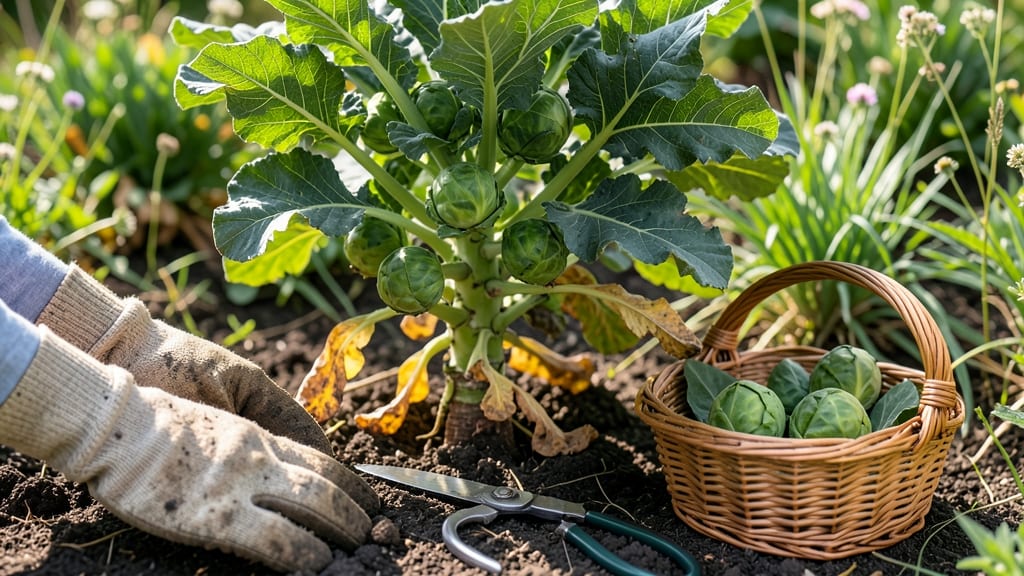
Harvesting brussel sprouts at the right time means the difference between nutty, sweet flavor and tough, bitter disappointment.
If you’ve ever bitten into a homegrown 🥦 only to find it rubbery or bland, you’re not alone. The key is patience—and knowing when those tiny buds are ready to pick. Too early, and they’re underdeveloped; too late, and frost turns them to mush.
For most varieties in Zone 6a, brussel sprouts take 90–120 days to mature, but size and color are the real clues. Aim for 1–1.5 inches in diameter with a deep green or purple hue, and a yellowing stem end. That’s when they’re packed with flavor.
Below, I’ll walk you through the exact cues to watch for, how to harvest without damaging the plant, and why spacing out your picks over 4–6 weeks keeps your crop productive until frost.


When to harvest Brussels sprouts by size: the 1-2 inch rule for perfect taste
Mastering the ideal harvest size for Brussels sprouts is the secret to unlocking their deep, nutty flavor. While many gardeners focus on color or days to maturity, the 1-2 inch diameter rule is your best indicator of peak sweetness.
Smaller sprouts—under 1 inch—taste bland and watery, while oversized ones (over 2 inches) become tough and bitter. This precise window ensures you enjoy the richest flavor profile possible from your homegrown crop.
Brussels sprouts mature gradually from the bottom up, meaning the lowest buds will be ready first while the upper ones lag behind. This staggered ripening is why gardeners often harvest over several weeks, extending the plant’s productivity.
The key is to check the lowest mature buds first—once they meet the 1-2 inch rule, you can safely harvest them without interrupting the plant’s ability to produce more sprouts above.
Here’s the golden rule: Harvest when sprouts are 1 to 2 inches in diameter and feel firm yet tender when gently squeezed. A ready-to-harvest sprout should also have a yellowish stem end (not green) and tightly packed leaves.
Ignoring this size guideline risks missing the sweetest flavor window—a common mistake even experienced gardeners make.
| Size (Diameter) | Firmness | Stem End Color | Flavor Profile | Harvest Action |
|---|---|---|---|---|
| Under 1 inch | Very firm | Green | Bland, watery | Wait 1-2 weeks |
| 1-2 inches | Firm but tender | Yellowish | Sweet, nutty, rich | Harvest immediately |
| Over 2 inches | Tough, woody | Brown or fibrous | Bitter, fibrous | Avoid harvesting |
To check for readiness without damaging the plant, use the "thumb test": Gently squeeze a sprout between your thumb and forefinger. A ready sprout will yield slightly under pressure but won’t feel mushy.
If it’s too firm, it’s not ripe enough; if it’s soft or squishy, it’s past its prime. This tactile check is faster than measuring with a ruler and works even in low light.
Many gardeners overlook the stem end color as a key indicator. A yellowish stem end signals maturity, while a green stem end means the sprout is still developing. Purple varieties may have a slightly different hue, but the yellowing at the base remains the same universal cue.
Paying attention to this detail helps you avoid harvesting underripe or overmature sprouts, both of which compromise flavor.
Harvesting too early isn’t just about missing out on flavor—it also shortens the plant’s productive lifespan. Brussels sprouts produce buds from the bottom up, so removing the lowest sprouts too soon can stunt the plant’s ability to develop more buds.
Aim to leave at least 6-8 inches of stem above the lowest harvested sprout to ensure the plant continues producing. This spacing gives the plant room to grow new buds while maintaining structural integrity.
For fall-planted sprouts, timing your harvest around the first frost can actually enhance flavor. A light frost (28-32°F) sweetens the sprouts, making them even more flavorful.
However, avoid harvesting after a hard frost (below 28°F), as this can damage the plant and make the remaining sprouts tough. If frost is in the forecast, harvest all mature sprouts a few days before the freeze to enjoy their peak sweetness.
One common mistake is harvesting all sprouts at once, which defeats the purpose of staggered ripening. Instead, pick sprouts every 2-3 days as they reach the 1-2 inch mark. This method extends your harvest window by 4-6 weeks and maximizes yield.
Keep a small notebook or phone reminder to track which sprouts are ready—this simple habit can double your harvest compared to a single, rushed pickup.
Pro tip: Use a sharp knife or pruning shears to harvest sprouts, cutting them about 1 inch above the sprout to leave a clean stem. This clean cut prevents disease and encourages the plant to produce more buds.
Avoid pulling or twisting sprouts, as this can damage the stem and reduce future yields. With the right tools and timing, you’ll enjoy a steady supply of homegrown Brussels sprouts at their peak flavor.
Color cues for Brussels sprouts harvest: green vs. purple vs. yellowing stages explained
Brussels sprouts reveal their readiness through color—each hue signals a different stage of maturity. Deep green sprouts are often underripe, while purple varieties develop richer flavors as they mature. Yellowing leaves at the base, however, can mean overmaturity or stress.
Understanding these color cues ensures you harvest at peak flavor and texture.
When your Brussels sprouts are deep green, they’re likely still developing. These sprouts tend to be milder in flavor and slightly less sweet than fully mature ones.
Wait until they reach 1-1.5 inches in diameter and show a slight yellowing at the stem end—this is your cue for optimal harvest. Ignoring this stage risks missing out on the nutty, earthy sweetness Brussels sprouts are famous for.
Purple varieties add a stunning visual contrast to your garden, but their color also indicates maturity and flavor intensity. As they ripen, the purple hue deepens, signaling peak sweetness and tenderness. Harvest these when they’re firm to the touch and the outer leaves are tightly wrapped. Overlooking this stage can lead to woody, bitter sprouts that lose their appeal.
Harvest Timing by Color: Pros & Cons
Pros: Early harvest, less risk of bolting.
Cons: Milder flavor, less sweet.
Pros: Richest flavor, deep sweetness.
Cons: Requires precise timing; overripe quickly.
Pros: Indicates plant maturity.
Cons: May signal overmaturity if sprouts are large or tough.
Pros: None.
Cons: Poor flavor, potential disease.
If your Brussels sprouts start showing yellowing leaves at the base, it’s a sign the plant is maturing—but don’t rush to harvest. Check the sprouts themselves: if they’re still firm and compact, they’re ready.
However, if the leaves are crispy or the sprouts feel woody, you’ve waited too long. Overripe sprouts lose their tenderness and develop a bitter taste, making them less enjoyable to eat.
For the best results, harvest every 2-3 days during peak season to encourage continuous production.
Focus on lower sprouts first, as this prevents the plant from becoming overburdened. Purple varieties often benefit from a slightly earlier harvest than green ones, as their color can deepen quickly—aim for a rich, vibrant hue rather than waiting for maximum size.
Remember, color isn’t the only cue. Combine it with size and texture for the perfect harvest. A 1-1.5 inch diameter, deep green or purple, and a slight snap when bent mean you’re ready to enjoy homegrown Brussels sprouts at their best.
With these tips, you’ll avoid the pitfalls of underripe or overripe harvests and savor the full flavor potential of your garden.