
Trees
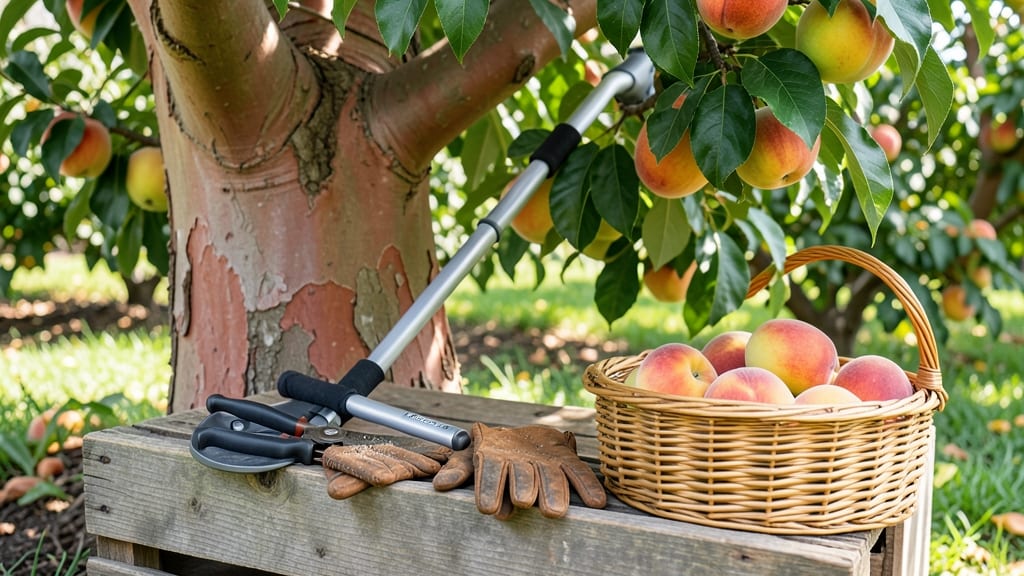
Harvesting a peach tree at the right time means the difference between sweet, juicy fruit 🍑 and mealy, underripe disappointment—and timing it perfectly is easier than you think.
Nothing beats the taste of a perfectly ripe peach, but picking too early or too late can turn your harvest into a disappointing mess. Whether you're a seasoned gardener or a first-timer, knowing when to pluck those peaches ensures you enjoy the best flavor and texture.
In this guide, I’ll walk you through the key signs of ripeness, the best tools to use, and how to handle your peaches once they’re off the tree.
You’ll also learn how to avoid common mistakes that ruin fruit quality, so you can enjoy a harvest that’s as rewarding as it is delicious.
Ready to turn your peach tree into a sweet success? Let’s get started with the exact steps to harvest peaches at their peak—without damaging the tree or the fruit.


How to determine the perfect time to harvest peaches for maximum sweetness
Harvesting peaches at the right moment transforms your homegrown fruit from bland to breathtakingly sweet. The key lies in understanding three critical cues: color, texture, and scent.
Each peach variety has its own ideal ripeness window, but these universal signs will help you nail the perfect harvest every time. Ignoring these clues often leads to underripe (hard, sour) or overripe (mealy, fermented) fruit—both are disappointing!
Peach trees typically produce fruit between July and August, but exact timing depends on your USDA hardiness zone and variety. Warmer climates may see earlier harvests, while cooler regions might delay ripening until late summer.
For example, Elberta peaches often ripen in early July, while Redhaven varieties peak in late August. Always monitor your tree closely rather than relying on calendar dates.
Color is your first clue—ripe peaches develop their full varietal hue, whether that's deep yellow, orange, or red-blushed. However, don't pick based on color alone, as some peaches may stay greenish even when ripe. Instead, combine color with the next two tests for accuracy. A slight blush on white-fleshed varieties like Suncrest signals ripeness, while freestone types may darken more dramatically.
Texture reveals the most about a peach's readiness. Gently press the fruit with your thumb—ripe peaches yield slightly but don't feel mushy. If the skin springs back immediately, the peach needs more time. Another trick: grasp the fruit near the stem and give it a gentle twist. A ripe peach will separate cleanly from the branch, while unripe ones resist. This "stem slip" test is foolproof for determining harvest readiness.
The scent test often gets overlooked but is incredibly reliable. A ripe peach emits a sweet, floral aroma near the stem. Sniff carefully—if you detect no fragrance, the fruit isn't ready.
Overripe peaches may smell fermented or overly sweet, with a yeasty or alcoholic scent. Harvest when the aroma is fresh and inviting, not overpowering.
Temperature plays a surprising role in ripening. Peaches ripen faster in warm weather (above 85°F), which can accelerate the process by days. If your area experiences a heatwave, check peaches more frequently to avoid overripeness.
Conversely, cooler temperatures slow ripening, giving you more time to monitor. Morning harvests are ideal because peaches are cooler and firmer, reducing bruising during picking.
Common mistakes derail even experienced gardeners. One frequent error is harvesting based on size alone—some varieties reach full size before ripening. Another is picking all fruit at once, which can stress the tree.
Instead, harvest peaches in 2-3 batches over 1-2 weeks, focusing on the ripest first. Finally, never store unripe peaches at room temperature hoping they'll ripen—they won't improve and may spoil.
| Ripeness Cue | Underripe Signs | Perfectly Ripe Signs | Overripe Signs |
|---|---|---|---|
| Color | Dull green/yellow 🟢 |
Deep varietal hue (e.g., orange, red-blush) 🟠 |
Darkened, wrinkled skin 🟣 |
| Texture | Hard, firm skin 🔒 |
Yields slightly to thumb 🤏 |
Soft, mushy, or leaking juice 💧 |
| Scent | No aroma 👃 |
Sweet, floral fragrance 🌸 |
Fermented or yeasty smell 🍺 |
| Stem Test | Resists twisting 🔗 |
Separates cleanly with twist ✂️ |
Drops easily or rots at stem 🌪️ |
Peach varieties also influence harvest timing. Freestone peaches (like Redhaven) often ripen first, followed by clingstone types (such as Elberta). To avoid confusion, label branches with ripeness tags or harvest each variety separately.
For example, Jubilee peaches typically ripen 1-2 weeks after Redhaven, so plan to check your tree twice weekly during peak season.
Once you've mastered these techniques, you'll consistently harvest peaches at their peak sweetness. Store ripe peaches in the refrigerator for up to 1 week to maintain freshness, or eat them immediately for the best flavor. Unripe peaches won't ripen further off the tree, so always harvest when fully ripe.
With practice, you'll develop an intuitive sense for the perfect moment—when that first peach gives way to your thumb and releases its perfectly balanced sweetness.
Pro tip: If you're unsure, pick a test peach and let it ripen indoors for 1-2 days. This gives you
Peach tree harvesting schedule by variety: early, mid, and late-season picks
Harvesting peaches at the right time transforms your backyard into a flavor explosion, but missing the window means sour, hard fruit or mushy overripe messes. Different peach varieties ripen at distinct times, so knowing your tree’s harvest schedule is key.
Whether you grow Elberta, Redhaven, or Jubilee, timing ensures peak sweetness and texture.
Your USDA hardiness zone also plays a role—warmer climates (like Zone 8+) may harvest 2-3 weeks earlier than cooler areas (like Zone 6). For example, early-season varieties like Redtop ripen in late June in the South but wait until early August in the Midwest.
| Variety | Harvest Window (Zone 6) | Harvest Window (Zone 8+) | Key Ripeness Cues |
|---|---|---|---|
| Redtop | Late June - Early July | Early June - Mid-June | Deep red blush, slight give when pressed |
| Elberta | Mid-July - Early August | Late June - Mid-July | Yellow with red streaks, stem separates easily |
| Redhaven | Early August - Mid-August | Late July - Early August | Red-orange hue, softens slightly at stem |
| Jubilee | Late August - Early September | Mid-August - Late August | Bright yellow, fragrant aroma when ripe |
For early-season varieties like Redtop, start checking fruit in late June—they’re the first to ripen and often overproduce, so harvest frequently to avoid fruit drop. Use a gentle twist to test ripeness; if the peach separates cleanly from the stem, it’s ready.
Mid-season picks like Elberta and Redhaven dominate July and August, offering the sweetest balance of sugar and acid. These varieties thrive in full sun and well-draining soil, so if your tree struggles, adjust care to boost fruit quality.
Prune in late winter to improve airflow and reduce disease risk.
Don’t overlook late-season varieties like Jubilee, which ripen in August-September and often outshine earlier picks in flavor. In cooler zones, these may need extra warmth—consider row covers or mulching to extend the season. Always harvest late-season peaches first to avoid fall frost damage.
Pro tip: Keep a harvest journal to track your tree’s ripening patterns over years. Note weather shifts, soil conditions, and tree health—these factors can shift harvest windows by 1-2 weeks annually. With practice, you’ll nail the perfect peach every time! 🍑