
Picking
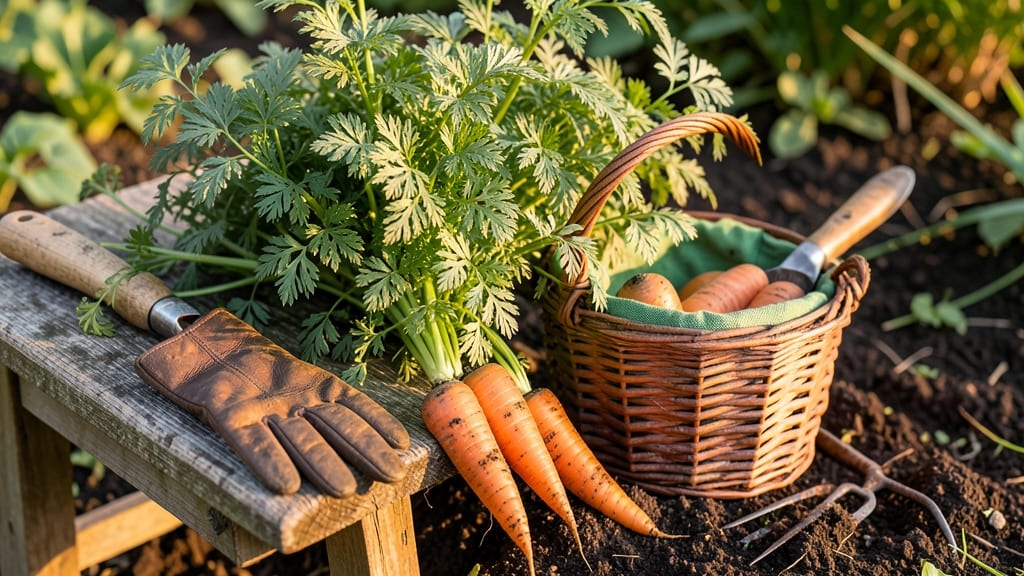
Picking carrots in your garden at the right time ensures sweet, tender roots instead of tough, woody messes—here’s when to know they’re ready.
Picture this: you’ve nurtured your 🥕 for months, only to pull one up and find it’s still small and rubbery. Or worse, you dig too late and end up with split, bitter roots. The difference between these two outcomes? Timing.
Most gardeners wait too long, but the best carrots are harvested when they’re firm, 1-3 inches wide, and pull easily from the soil. In cooler climates like USDA Zone 6a, aim for late June or early July, while warmer regions can stretch into October.
Below, I’ll walk you through the 3 key signs your carrots are perfect for picking—plus how to adjust for baby carrots, storage tips, and what happens if you miss the window.


3 Clear visual signs your carrots are ready for harvest
Harvesting carrots at the right time ensures you get sweet, tender roots instead of woody, tough vegetables. The key lies in observing three clear visual cues—both above and below ground—that signal perfect ripeness.
These signs help you avoid common mistakes like harvesting too early (small roots) or too late (hard, fibrous texture). Let’s break down what to look for in your garden beds.
First, pay attention to the foliage color and growth. Healthy carrot tops should be vibrant green and 4-6 inches tall. If the leaves start yellowing or wilting, it’s a sign the roots may have already peaked in sweetness.
This above-ground indicator is your first clue that harvest time is near. Don’t ignore this step—it’s often the easiest way to spot readiness without digging.
Below ground, the real magic happens. The root diameter and firmness are your best friends. For most varieties, carrots should reach 1-3 inches in diameter, depending on whether you’re growing baby carrots or full-sized roots. Gently press the soil near the plant—if the root feels firm and resists slight pressure, it’s ready. Soft or mushy roots mean they need more time in the ground.
Look for vibrant green leaves that are 4-6 inches tall. Yellowing tops mean it’s past prime.
Carrots should be 1-3 inches wide and firm to the touch. Gently press the soil—resistance means readiness.
Grasp the leafy tops and give a gentle tug. If the carrot slips out easily, it’s harvest-ready. Stubborn resistance means it needs more time.
The third and most reliable sign is how easily the carrot pulls from the soil. Grasp the leafy tops and give a gentle tug—if the root slides out smoothly, it’s time to harvest. If the soil resists or the carrot breaks off, it’s not ready yet.
This test is especially useful for loose, sandy soils, where roots might not be as visible. Pro tip: Work in the morning after watering for the easiest extraction.
Don’t overlook the soil conditions around your carrots. Well-draining soil prevents woody texture, so if your garden bed is consistently moist but not soggy, your carrots are likely thriving. Overly dry or compacted soil can stress the roots, making them tough.
If you notice cracked soil or wilting leaves, adjust your watering schedule before harvesting. Healthy soil equals happy, crisp carrots.
For baby carrots or heirloom varieties, timing may vary slightly. Check the seed packet for specific guidance—some types mature in as few as 50 days, while others take up to 90 days.
If you’re growing a mix, harvest the smaller varieties first to make room for larger roots to develop. This staggered approach maximizes your yield and ensures you enjoy fresh carrots all season long.
One common mistake is assuming all carrots are ready at the same time. Spot-check a few plants in different areas of your garden bed to account for variations in soil depth and sunlight exposure.
If some roots are ready while others aren’t, harvest the mature ones first and leave the rest to develop. This method prevents overcrowding and ensures you get the best flavor from each carrot.
Once you’ve confirmed all three signs—healthy foliage, firm roots, and easy removal—it’s time to harvest. Use a fork to loosen the soil around the roots if needed, especially in clay-heavy soils.
This prevents damage to the delicate roots. After harvesting, store carrots in a cool, dark place (like a root cellar or refrigerator) to maintain their crispness and sweetness for up to a month.
Remember, the sooner you harvest after spotting these signs, the better the flavor. Carrots left too long in the ground can become woody or split, especially in dry conditions. By mastering these three visual cues, you’ll never second-guess when to pick your carrots again—just crisp, sweet perfection every time.
Best time of day and season to harvest carrots for maximum flavor
Harvesting your carrots at the right time of day and season unlocks their sweetest, crispiest potential. I’ve learned that morning harvests yield the freshest roots because cooler temperatures preserve moisture and natural sugars.
Plus, the seasonal timing matters—fall carrots often develop deeper sweetness as they prepare for winter dormancy, while summer varieties stay crunchy but milder.
Your local climate zone plays a huge role too. In cooler regions like USDA Zone 6a, I harvest my carrots in late summer or early fall when soil temps drop below 75°F. Warmer climates may need to harvest earlier to avoid woody textures.
And don’t forget—baby carrots (harvested at 50-60 days) have a different peak window than mature roots (70-90 days).
| Factor | Optimal Timing | Why It Matters |
|---|---|---|
| Time of Day | Morning (6-9 AM) | Cooler temps preserve moisture and sweetness |
| Season (Cool Climates) | Late August-October | Carrots sweeten as soil cools below 75°F |
| Season (Warm Climates) | June-July | Prevents woody texture from summer heat |
| Baby Carrots | 50-60 days after sowing | Harvest when 1-2 inches thick for tenderness |
| Mature Carrots | 70-90 days after sowing | Reaches full sweetness and size potential |
For the absolute sweetest carrots, I’ve noticed that harvesting after a light frost (in frost-tolerant varieties) can boost sugar content. The cold triggers natural sweetening processes—just be sure to harvest before the ground freezes solid.
I always test readiness by gently tugging on the green tops; if they pull easily with minimal resistance, the roots are ready.
One common mistake I see is harvesting in the heat of the day. Afternoon sun can cause carrots to lose moisture quickly, making them tough and less flavorful.
If you must harvest later, store them in a cool, dark place until morning. And remember—consistent soil moisture leading up to harvest keeps roots tender and sweet.
Your carrot variety also dictates timing. Heirloom varieties like 'Danvers' or 'Nantes' often need longer growing seasons, while hybrid types such as 'Rainbow' mature faster. Always check seed packets for specific days-to-maturity guidelines.
In my garden, I’ve found that succession planting every 2-3 weeks ensures a steady supply of fresh carrots all season long.
After harvesting, I recommend storing carrots in the crispest drawer of your fridge (with a paper towel to absorb moisture) for up to 3 weeks. For longer storage, try curing them in a cool, dark place for 1-2 weeks before refrigeration.
This mimics natural drying processes and extends shelf life. The key is timing—harvest at the right moment, and you’ll enjoy garden-fresh carrots that taste like summer all year round.