
Vegetables
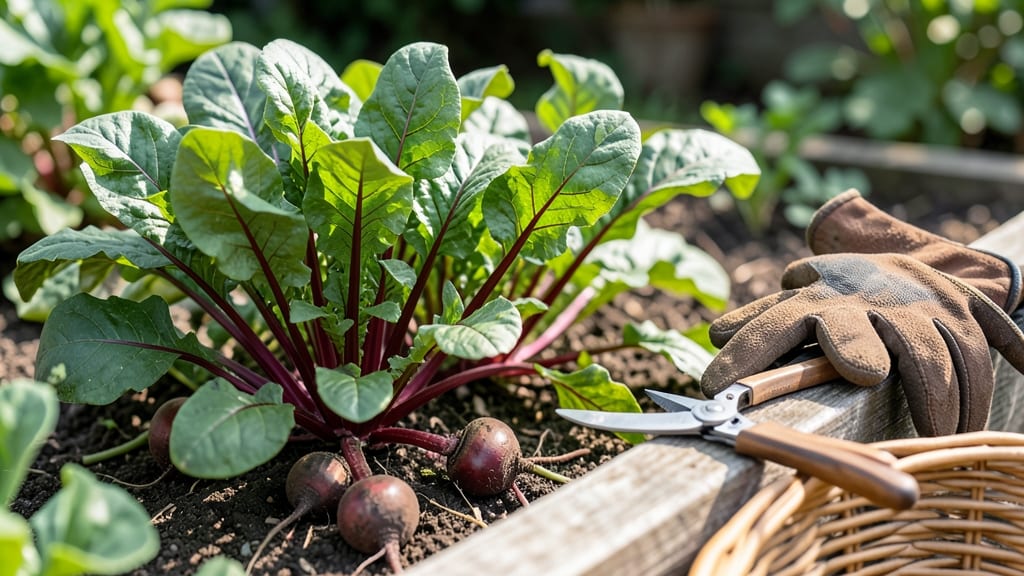
Harvesting beet greens at 6 inches is the secret to that perfect tender-crisp texture you crave 🥬 — but getting it wrong means tough, bitter leaves or wasted plants.
You’ve spent weeks nurturing these nutrient-packed greens, only to wonder: When exactly should I pick them? Too early, and you rob the plant of its full potential; too late, and the flavor turns woody. The 45-day mark is your sweet spot, but size isn’t the only clue.
In this guide, I’ll walk you through the exact signs to watch for—beyond just leaf length—plus the best tools and techniques to harvest without stressing the plant. You’ll also learn how to keep your beet greens producing for weeks after the first cut.
Ready to turn your garden into a never-ending supply of sweet, vibrant greens? Let’s get started.


When to harvest beet greens for maximum tender-crisp texture
Harvesting beet greens at the right moment transforms them from ordinary to extraordinary—packed with that perfect tender-crisp texture that makes them irresistible. The 6-inch rule isn’t just a random measurement; it’s rooted in the plant’s maturity science.
When leaves reach this size, their cell structure has developed just enough to deliver that satisfying bite without sacrificing sweetness.
But here’s the catch: size alone isn’t the whole story. You also need to check for leaf color, texture, and even the plant’s overall health.
A leaf that’s bright green and slightly glossy is your golden ticket, while a dull or yellowing leaf signals it’s past its prime. Let’s break down the exact cues to watch for, so you never miss the window for peak harvest quality.
| Harvest Stage | Leaf Size | Texture | Flavor Profile | Regrowth Potential |
|---|---|---|---|---|
| Early (Not Ready) | Under 4 inches | Soft, delicate | Mild, underdeveloped | High (young leaves) |
| Ideal (Ready) | 4-6 inches | Tender-crisp | Sweet, robust | Moderate (outer leaves) |
| Over-Mature (Past Prime) | Over 7 inches | Tough, fibrous | Bitter, woody | Low (inner leaves) |
The 6-inch rule is your best friend, but it’s not a hard-and-fast law. For example, Baby Beet varieties like ‘Baby Leaf’ can be harvested at just 3-4 inches for a more delicate bite. Meanwhile, larger varieties like Fordhook Giant might need to reach closer to 7 inches before they’re ready.
Always prioritize leaf tenderness over strict measurements—press a leaf between your fingers; if it feels slightly crisp but still pliable, it’s harvest-ready.
Beyond size and texture, pay attention to the leaf veins. Young leaves have thin, barely visible veins, while mature leaves develop more pronounced ribbed structures. Harvesting leaves with moderate vein development ensures you’re getting the best balance of nutrients and flavor.
Over-mature leaves with thick veins often turn bitter due to increased oxalic acid production—a natural defense mechanism as the plant ages.
Timing your harvest also depends on the season and temperature. In cooler spring or fall weather, beet greens grow slower, so they may take 50-60 days to reach harvest size. But in warm summer conditions, they can mature in as few as 30-40 days.
Always adjust your expectations based on your local climate and the specific variety you’re growing. For example, Swiss chard (a close cousin) often needs a few extra days to reach the same tenderness.
One of the most common mistakes is waiting until the entire plant looks ready before harvesting. Instead, focus on the outer leaves first. These mature earlier and can be snipped away without harming the root system.
This practice not only gives you a steady supply of fresh greens but also encourages the inner leaves to grow larger and more tender. Think of it like pruning a bush—you’re shaping the plant for continuous harvests.
If you’re unsure whether a leaf is ready, do a quick taste test. A perfectly harvested beet green should have a sweet, earthy flavor with a satisfying crunch. If it tastes bland or watery, it’s too young; if it’s bitter or tough, it’s past its prime.
Trust your palate—it’s the ultimate judge of harvest readiness. And remember, the more you harvest, the more your plant will reward you with fresh, flavorful leaves.
For a continuous harvest, aim to pick 2-3 outer leaves per plant every 1-2 weeks. This keeps the plant productive and prevents it from becoming overcrowded or stressed. Just avoid harvesting more than one-third of the foliage at once, or you risk stunting the plant’s growth.
With the right timing and care, you’ll enjoy a bounty of tender-crisp beet greens all season long.
Pro tip: Harvest in the morning after the dew has dried but before the heat of the day sets in. This ensures the leaves are crisp and hydrated, making them perfect for salads, sautéing, or steaming.
Store harvested greens in a perforated plastic bag in the fridge, where they’ll stay fresh for up to 5-7 days. With this approach, you’ll never waste a single leaf!
How to harvest beet greens without damaging the root
Harvesting beet greens properly ensures both your immediate harvest and the plant’s ability to regrow. The key is to remove leaves strategically, leaving the root system intact so the plant can keep producing.
If you cut too aggressively or damage the root, you’ll stunt future growth and reduce your yield. Let’s break down the exact method to harvest without harming your plants.
Start by waiting until the outer leaves reach 4-6 inches long. These are the most mature and tender leaves, perfect for harvesting. Avoid pulling leaves—this can damage the stem and root.
Instead, use clean, sharp pruning shears or a knife to make precise cuts. This method reduces stress on the plant and encourages new growth.
Step-by-Step Guide to Harvesting Beet Greens
-
Step 1: Choose the Right Leaves
Select the largest, outermost leaves (4-6 inches long) for harvesting. These are fully mature and won’t sacrifice the plant’s ability to regrow.
-
Step 2: Use Clean Tools
Disinfect your pruning shears or knife with rubbing alcohol to prevent disease transmission. Sharp tools make cleaner cuts, reducing stress on the plant.
-
Step 3: Make a Clean Cut
Cut the leaf 1-2 inches above the stem at a 45-degree angle. This prevents water from pooling on the stem, which can cause rot.
-
Step 4: Leave the Center Intact
Never harvest more than 1/3 of the plant’s leaves at once. The inner leaves and growing point must stay undisturbed to fuel regrowth.
-
Step 5: Water After Harvesting
Give the plant a deep watering post-harvest to replenish moisture lost during cutting. This supports recovery and encourages new leaf production.
After harvesting, monitor your beet greens plant for new growth. With proper care, you can expect another harvest in 2-3 weeks. Avoid over-harvesting, as this can exhaust the plant and reduce future yields. If you notice yellowing leaves or stunted growth, you may have cut too aggressively next time.
For long-term harvests, rotate your harvesting approach. Focus on the outer leaves first, then move inward as the plant matures. This method ensures you get a steady supply of fresh greens while keeping the plant healthy.
Store harvested leaves in a plastic bag in the fridge for up to 5 days to maintain crispness.
By following these steps, you’ll enjoy a continuous harvest of tender, flavorful beet greens all season long—without sacrificing the plant’s future productivity. Happy harvesting! 🌱