
How To
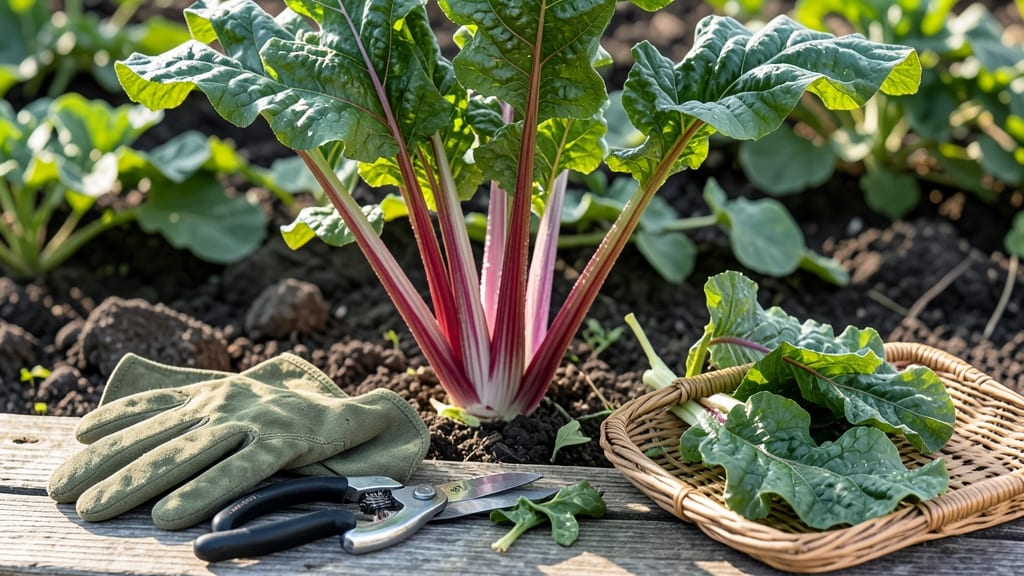
To harvest Swiss chard 🍃 properly, focus on the outer leaves first—this keeps the plant thriving while giving you fresh greens for weeks.
Picture this: you’re finally ready to pick those lush, rainbow-colored leaves, but you’re not sure which ones to snip or how much to take. One wrong move, and you could stress the plant or trigger bolting—turning your dinner table into a seed catalog.
Swiss chard is one of those forgiving yet rewarding crops, but timing and technique make all the difference. Harvest too much at once, and you’ll stunt future growth; pick the wrong leaves, and you’ll end up with bitter, tough stalks.
The secret? A leaf-by-leaf approach that balances yield with plant health.
In this guide, I’ll walk you through the exact steps to harvest Swiss chard—when to start, which tools to use, and how to store your bounty for maximum freshness. No guesswork, just a foolproof method for continuous harvests all season long.


When and how to harvest Swiss chard leaves for maximum growth
Swiss chard thrives when you harvest its outer leaves first, allowing the center to keep growing. This leaf-by-leaf method ensures a continuous harvest while preventing the plant from stressing or bolting.
The key is timing—wait until leaves reach 6-12 inches long and display vibrant colors like deep green, red, or yellow. Harvesting at the right stage keeps your chard productive for months.
Timing your harvest correctly depends on your planting season. For spring plantings, start harvesting in late June and continue through October. If you plant in late summer, harvest begins in October and can extend into November before frost.
Always prioritize mature outer leaves to encourage new growth from the center.
Before harvesting, check for these signs of maturity: firm stalks, tender texture, and fully unfurled leaves. Avoid harvesting leaves that are still small or pale—they won’t be as flavorful. Use clean, sharp pruning shears or scissors to cut leaves just above a leaf node, which encourages regrowth.
Harvesting in the early morning is ideal because leaves are crisp and hydrated. Use a sharp knife or shears to cut leaves at a 45-degree angle just above a leaf node.
This angle prevents water from pooling and reduces disease risk. Always leave at least half the leaves on the plant to maintain photosynthesis and growth.
If you notice your Swiss chard bolting (sending up flower stalks), it’s a sign of stress or heat. To prevent this, harvest regularly every 2-3 weeks and avoid overcrowding plants.
Bolting makes leaves bitter, so harvesting early and often keeps your chard sweet and tender. Mulch around the base to retain moisture and cool roots during hot weather.
For continuous harvests, space out your cuts. Remove 1-2 outer leaves per plant every few days, then increase to 3-4 leaves weekly once the plant is established. This method ensures you get a steady supply without exhausting the plant. Always rotate which leaves you harvest to promote even growth.
After harvesting, store leaves in the refrigerator for up to 5 days or use them immediately in salads, sautés, or steamed dishes. The stems are edible too—peel them and slice thinly for stir-fries. Proper storage and handling keep your chard fresh and ready for your next meal.
One common mistake is harvesting too many leaves at once, which can shock the plant. Limit yourself to 30-40% of the plant’s foliage per harvest session. Another error is cutting leaves too close to the base—always leave 2-3 inches of stem to allow regrowth.
By following these tips, you’ll enjoy a bountiful harvest all season long. 🌱
Remember, Swiss chard is a cut-and-come-again crop, meaning it keeps producing as long as you care for it. With the right harvesting techniques, you’ll have fresh, flavorful leaves from early summer well into fall. Happy harvesting! ✂️
Step-by-step Swiss chard harvesting techniques for beginners
Harvesting Swiss chard correctly keeps your plants thriving while giving you a steady supply of nutrient-rich greens. The key is to remove leaves selectively—never taking more than 1/3 of the plant at once. This method ensures the center continues growing while you enjoy fresh harvests all season.
Timing matters too. Start harvesting when leaves reach 6-12 inches long and show vibrant colors—deep greens, reds, or yellows. Avoid harvesting during bolting stages (when the plant flowers), as this signals the end of its productive life.
With the right technique, you can harvest continuously for 6-8 weeks or longer.
-
Step 1
Choose the right leaves
Select outer leaves first—they’re fully mature while inner leaves keep growing. Look for leaves that are 6-12 inches long with bright, crisp textures.
-
Step 2
Use clean, sharp tools
Grab a pair of pruning shears or a sharp knife. Dull tools crush stems, making the plant more susceptible to pests and disease. Always sterilize tools with rubbing alcohol before use.
-
Step 3
Cut at the base
Make a clean cut 1-2 inches above the soil line at a 45-degree angle. This prevents water from pooling on the stem, reducing rot risk. Avoid tearing leaves—it stresses the plant.
-
Step 4
Leave the center intact
Never harvest the innermost leaves or more than 1/3 of the plant at once. This ensures the growth point (the center) stays healthy and keeps producing new leaves.
-
Step 5
Post-harvest care
After harvesting, water the plant deeply to replenish moisture. Add a light mulch around the base to retain soil moisture and suppress weeds. This step keeps your Swiss chard happy and productive.
Pro tip: Harvest in the morning when leaves are crisp and hydrated. This ensures the best flavor and texture. If you notice yellowing leaves after harvesting, it might signal over-harvesting—give the plant a break for a week or two.
With these techniques, your Swiss chard will reward you with continuous harvests all season long. Plus, the more you harvest, the more the plant encourages new growth—it’s a win-win! 🌱