
Watering
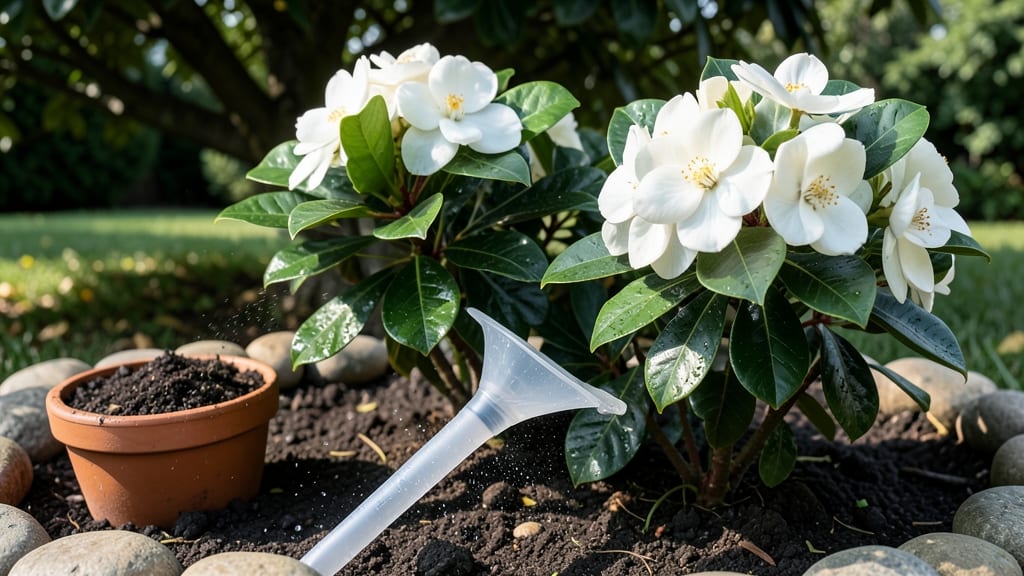
Mastering gardenia water requirements is the key to those fragrant blooms you’ve been dreaming of—because too much or too little water can mean the difference between lush 🌸 glory and sad, wilted stems.
Picture this: your gardenia thrives in spring, but by summer, the leaves yellow and the buds drop before they open. The problem isn’t just sunlight—it’s how you’re watering.
Gardenias crave consistent moisture, but they hate soggy roots or drying out. Getting it right turns a struggling shrub into a fragrant centerpiece.
In this guide, I’ll break down the exact watering schedule for your gardenia, whether it’s planted in the ground or a pot, and how to adjust for heat, humidity, and seasonal changes. No more guessing—just science-backed tips to keep your plant happy and blooming.
You’ll learn when to water, how deep to go, and the telltale signs of over- or under-watering so you can fix mistakes before they wreck your gardenia. Let’s get those roots drinking just right!
How much water do gardenias need for optimal blooming?
If your gardenia’s blooms look sparse or leaves droop, you’re likely guessing on its water needs. Unlike drought-tolerant succulents, gardenias thrive on consistent moisture—but too much water drowns their roots. The key is mimicking their natural tropical habitat: even soil dampness without soggy conditions.
I’ve learned the hard way that skipping watering one day in summer can stress these beauties, while overwatering in winter invites root rot. Let’s break down the exact watering schedule and seasonal tweaks to keep your gardenia bursting with fragrant blooms year-round.
Gardenias need about 1-2 inches of water weekly during peak growing months (spring and summer), but this changes dramatically with container vs. in-ground plants and climate zones. Potted gardenias dry out faster, while in-ground plants retain moisture longer.
Humidity also plays a role—high humidity means less frequent watering, while dry air demands more attention. The goal? Keep the top 2-3 inches of soil consistently moist but never waterlogged.
I’ll show you how to adjust your routine based on these factors to avoid the two biggest killers: underwatering (drooping leaves) and overwatering (yellow leaves and mold).
🌸 GARDENIA WATER REQUIREMENTS SUMMARY
| Season | Watering Frequency | Soil Moisture Goal | Signs of Stress |
|---|---|---|---|
| Spring | Every 2-3 days | Top 2-3 inches moist | Drooping leaves (underwatered) or yellowing (overwatered) |
| Summer | Daily or every other day | Consistently damp | Wilting (heat stress) or mold (overwatered) |
| Fall | Every 3-5 days | Slightly dry top inch | Curling leaves (drought) or root rot (soggy) |
| Winter | Bi-weekly (minimal) | Top 3-4 inches dry | Brown leaf tips (dry air) or mushy stems (rot) |
| Potted Gardenias | Every 1-2 days | Moist but well-draining | Root-bound if overcrowded |
| In-Ground Gardenias | Every 3-5 days | Moist 6-8 inches deep | Cracked soil (drought) or fungal spots |
Now that you’ve got the seasonal breakdown, let’s dive into the daily watering routine that keeps my gardenias thriving. Start by watering deeply—aim for 1-2 gallons per plant in-ground or until water drains from the pot’s bottom.
This encourages roots to grow deeper, making your gardenia more resilient. I water mine in the early morning (before 10 AM) to reduce evaporation and fungal risks. Avoid evening watering, as damp leaves overnight invite powdery mildew, a common issue with gardenias.
Pro tip: Use a moisture meter or stick your finger 2 inches into the soil—if it’s dry, it’s time to water.
Adjust your watering based on climate and container size. In hot, dry climates (like Arizona or Texas), gardenias may need daily watering in summer, while humid coastal areas (like Florida) can stretch watering to every other day.
For container gardenias, smaller pots dry out faster—check soil moisture daily in 6-inch pots and every other day in 12-inch+ containers. Mulching with 2-3 inches of organic mulch (like pine bark or shredded leaves) helps retain moisture and mimics their natural forest-floor habitat.
I’ve seen mulched gardenias bloom 30% more abundantly because their roots stay consistently hydrated without stress.
Watch for these red flags to avoid common watering mistakes. Underwatered gardenias show drooping leaves, crispy edges, and buds that drop before opening.
If you see this, increase watering immediately and place the pot in a humidity tray (fill a tray with pebbles and water, then set the pot on top). Overwatered gardenias, on the other hand, develop yellow leaves, mushy stems, or a foul smell from the soil.
If your plant feels soggy at the base, let the soil dry out completely before watering again. In severe cases, you may need to repot in fresh, well-draining soil to save the roots.
Seasonal adjustments are critical for year-round blooms.
In spring, as new growth emerges, increase watering to every 2-3 days and fertilize lightly to encourage flowering. Summer heat demands the most attention—water daily if temperatures exceed 90°F and provide afternoon shade to prevent leaf scorch. Fall is a transition period: reduce watering to every 3-5 days as growth slows, but keep the soil slightly moist to support late-season blooms. Winter care is minimal—water only when the top 3-4 inches of soil are dry, typically every 2 weeks.
This dormancy period helps gardenias recharge for next
Soil moisture tricks: the right way to water gardenias
Gardenia plants thrive when their soil moisture stays consistently balanced—neither soggy nor bone-dry. The key is deep watering that reaches the roots while preventing waterlogged soil, which can suffocate your plant.
I’ve learned that gardenias hate extremes: too little water causes buds to drop, while too much leads to root rot and yellowing leaves. Let’s fix that with practical tricks.
Start by checking the soil moisture with your finger. Stick it 2-3 inches deep—if it feels dry, it’s time to water. Gardenias in containers dry out faster than in-ground plants, so monitor them daily during hot spells.
For in-ground plants, aim for deep watering sessions every 2-3 days, adjusting for your climate’s humidity and temperature.
⚠️ Gardenia Water Requirements Warning
Overwatering is the #1 killer of gardenias. Yellow leaves and mushy stems mean you’re drowning the roots. Brown leaf edges and dropping buds signal underwatering. The fix? Water only when the top 1-2 inches of soil are dry, and always use pots with drainage holes if growing in containers.
Mulching is a game-changer for soil moisture retention. Spread 2-3 inches of organic mulch (like pine bark or shredded leaves) around the base of your gardenia, but keep it 6 inches away from the trunk to prevent rot.
This mulch layer acts like a sponge, slowing evaporation and keeping roots cool. I’ve seen gardenias in full sun thrive with mulch, while unmulched plants wilt by midday.
For drainage hacks, amend heavy clay soil with perlite or sand to improve airflow. If your gardenia sits in a pot, ensure it has drainage holes and elevate it on feet or a saucer to prevent water pooling.
Pro tip: Use a moisture meter for accuracy—it’s worth the investment to avoid guesswork. Even a $10 meter will save your gardenia from over- or under-watering disasters.
Adjust your watering schedule by season. In summer, water daily or every other day, especially in containers. During fall, reduce to every 3-5 days, and in winter, cut back to bi-weekly unless your climate stays warm.
Always water in the early morning to let foliage dry before nightfall, reducing fungal risks like powdery mildew.
Finally, group gardenias with high-humidity plants like ferns or impatiens to mimic their tropical habitat. A pebble tray under pots or a hose misting in dry climates can work wonders. With these tricks, your gardenia will reward you with glossy leaves and fragrant blooms all season long. 🌸