
Plants
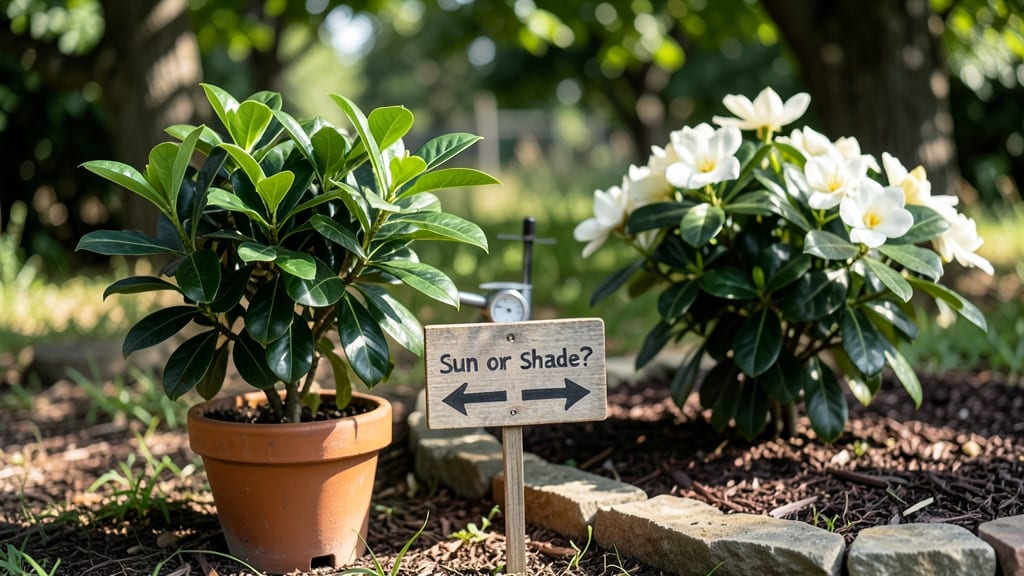
A gardenia plant thrives in partial shade, balancing morning sun and afternoon shade for those iconic fragrant blooms 🌸.
Struggling to keep your gardenia blooming? The secret isn’t just water or fertilizer—it’s light exposure. Too much sun scorches leaves, while too little shade stunts flowers. Here’s the exact balance gardenias need to thrive—and why most gardeners get it wrong.
In USDA Zone 6a, gardenias planted in spring need 4-6 hours of bright, indirect light daily. A common mistake is assuming "shade" means deep darkness—when they actually crave filtered sunlight, like under a light dappled canopy or east-facing window.
Below, I’ll break down how to adjust light for summer heat vs. winter chill, spot signs of over/under-exposure, and position your gardenia for maximum blooms—no guesswork included.
 Best Window Placement
Gardenia sun requirements: how much light for maximum blooms?
If you’ve ever watched your gardenia plant struggle with fewer blooms or browned leaves, the culprit is likely light exposure. Gardenias thrive on a delicate balance—too much sun scorches their glossy foliage, while too little light weakens growth and reduces fragrance.
The ideal spot offers morning sun paired with afternoon shade, but the exact mix depends on your climate and garden location.
Most gardeners mistakenly assume gardenias need full shade, but these tropical beauties actually crave bright, indirect light for at least 4-6 hours daily. The key is avoiding the harsh afternoon sun (especially between 12 PM and 4 PM), which can cause leaf burn.
Let’s break down the science—and how to adjust light conditions for your specific region.
🌸 Pro Tip: Use a light meter or observe your gardenia’s leaves—if they’re yellowing or curling, it’s a sign of light stress. Adjust gradually to avoid shocking the plant.
In hot climates (like Florida or California), gardenias need morning sun only—even 3 hours of direct sun before noon can prevent leaf burn. For cooler regions (such as Pacific Northwest or UK), extend light exposure to 6 hours during growing season (spring-fall) to encourage blooming.
Watch for leaf color changes—yellowing signals too much shade, while brown crispy edges mean excessive sun. If your gardenia is indoors, place it 2-3 feet from an east-facing window for bright indirect light. South-facing windows work too, but use a sheer curtain to filter intensity.
🌿 Regional Tip: Gardeners in Zone 8+ can plant gardenias outdoors year-round, but mulch heavily to protect roots from intense summer heat. In Zones 5-7, treat them as tender perennials—bring potted plants indoors before first frost or cover with burlap for winter protection.
Adjusting light conditions doesn’t have to be complicated. Start by moving your gardenia incrementally—shift it 1 foot closer/farther from light sources weekly until you find the sweet spot. Pair this with regular pruning to open the canopy for better air circulation, which helps prevent fungal issues from poor light.
Remember: gardenia blooms thrive on light, but leaves thrive on balance. With the right exposure, your plant will reward you with glossy foliage and intense fragrance—proof that patience in light management pays off in lush, fragrant blooms.
Shade solutions for gardenias: when and how to protect from harsh sun
Gardenias thrive in bright, dappled light but can suffer when exposed to intense afternoon sun. If your plant’s leaves are turning yellow or buds are dropping, it’s likely a sunburn warning.
The key is creating a custom shade solution that mimics their natural tropical habitat—where they grow under filtering canopy trees.
Not all shade is equal. Full shade (less than 30% sunlight) weakens stems and reduces blooms, while partial shade (40-60% sunlight) keeps gardenias happy. The goal is to block the harshest sun hours (11 AM–3 PM) while still providing enough light for photosynthesis. Let’s break down your options.
🌳 Natural vs. Artificial Shade Solutions
-
🌳 Natural Shade (Best for Outdoor Gardenias)
- 🌳 Tall Trees: Plant near deciduous trees (like oak or maple) for seasonal shade. Avoid evergreens—they block too much light year-round.
- 🏡 Building Walls: South or west-facing walls reflect heat and light. Use lattice screens or bamboo shades to diffuse sunlight.
- 🌿 Companion Plants: Tall ornamental grasses or bamboo create windbreaks and shade lower branches.
-
☀️ Artificial Shade (Best for Containers/Pots)
- 🛡️ Shade Cloth: Use 30-50% shade cloth (white or beige). Hang 3-4 feet above the plant to avoid blocking airflow.
- 🪟 Umbrellas: Place a large patio umbrella (50% coverage) over potted gardenias. Adjust height to avoid touching leaves.
- 🏢 Pergolas: Install a lattice pergola with climbing clematis or jasmine for natural, adjustable shade.
-
⏳ Seasonal Adjustments
- 🌞 Summer: Increase shade to 50-60% sunlight. Remove shade cloth by late afternoon to prevent overheating.
- 🍂 Fall/Winter: Reduce shade to 30-40% to maximize light for bud formation.
- 🌧️ Overcast Days: Remove artificial shade entirely to prevent leggy growth from lack of light.
Transitioning gardenias to shade? Do it gradually over 2-3 weeks to avoid sun shock. Start by moving them to a shadier spot for 2 hours/day, then increase by 1 hour daily.
Watch for new leaves—they’ll tell you if the adjustment is working. If they’re pale or stretched, they need more light; if they’re crispy or brown, they need more shade.
Yellowing leaves or bud drop? Your gardenia is sending a clear distress signal. Check these common issues:
- 🟡 Yellow Leaves: Often caused by overwatering or root rot from poor drainage + too much shade. Solution: Repot in well-draining soil and move to brighter indirect light.
- 🌸 Bud Drop: Usually triggered by sudden temperature swings or too much direct sun. Solution: Acclimate slowly and avoid placing near heat sources (like black pavement).
Pro tip: Group gardenias with similar light lovers like azaleas, camellias, or impatiens. This creates a microclimate that mimics their natural environment, reducing stress and encouraging longer bloom seasons. With the right shade strategy, your gardenia will reward you with fragrant blooms year after year.