
Planting
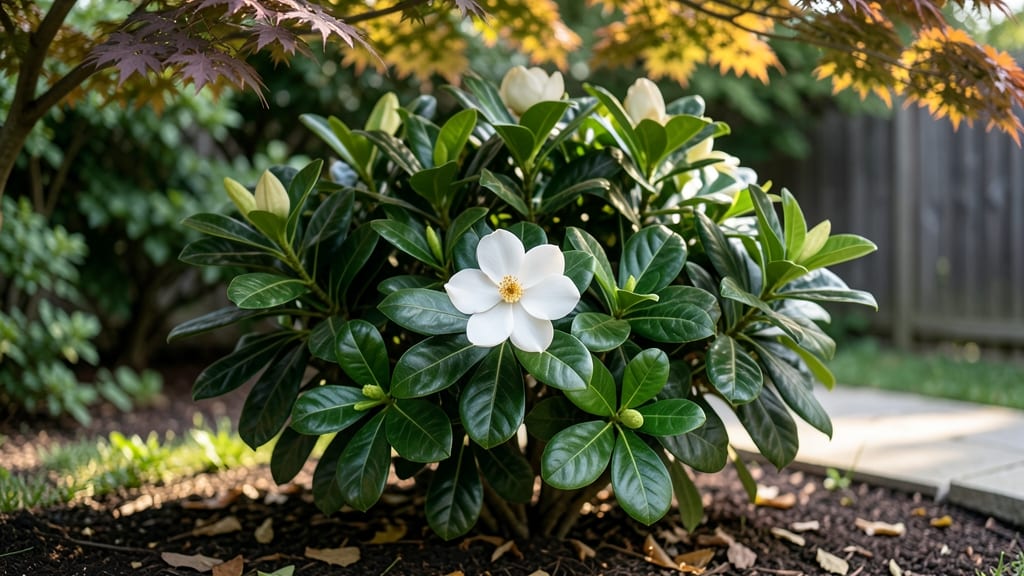
Gardenia plants grow to a mature size of 4 to 6 feet tall, but their final height depends on the variety and how you care for them.
If you’ve ever dreamed of fragrant, snow-white blooms in your garden but worried about gardenia plants outgrowing their space, you’re not alone—these tropical beauties can reach surprising heights (or stay compact with the right care).
For example, the popular Gardenia jasminoides can top 6 feet in ideal conditions, while dwarf varieties like ‘Kleim’s Hardy’ max out at just 2 to 3 feet. That means whether you’re planning a foundation planting or a container display, size is something you can control.
In this guide, I’ll break down how fast they grow, the spacing you need for healthy blooms, and the simple pruning tricks that keep them lush and manageable—no matter how much space you have.

How tall do gardenia plants grow? Size variations by type and environment
If you’re planning to add gardenias to your garden or patio, knowing their mature size is key to choosing the right spot. Most gardenias grow between 3 to 6 feet tall, but their height depends heavily on the variety, growing conditions, and pruning habits.
For example, the classic Gardenia jasminoides can reach 5 to 6 feet in ideal conditions, while dwarf varieties like 'Radicans' stay under 3 feet. Understanding these variations helps you avoid overcrowding or underutilizing space.
The environmental factors like sunlight, climate, and container size play a huge role in how tall your gardenia grows. In full sun, gardenias tend to grow taller and bushier, but they may require more frequent pruning.
In cooler climates (like USDA Zones 6-8), growth slows down, while tropical zones (like Zones 9-10) encourage faster, taller growth. Even the size of your pot matters—container-grown gardenias rarely exceed 3 feet unless repotted frequently.
Here’s a quick reference for the most common gardenia varieties and their typical mature heights:
When planning your garden layout, consider the spread of gardenias, not just their height. Many varieties grow wider than they do tall, especially if left unpruned.
For example, a 5-foot-tall gardenia might spread 4 feet wide, making it ideal for foundation plantings or as a focal point in a flower bed. If you’re working with limited space, opt for dwarf varieties like 'Radicans' or 'Kleim’s Hardy,' which stay under 3 feet tall and wide.
Sunlight is another critical factor in controlling gardenia size. While these plants thrive in partial shade (especially in hot climates), they grow taller and leggier in full sun. To keep them compact, provide morning sun and afternoon shade.
This not only limits height but also encourages denser foliage and more blooms. If you notice your gardenia stretching toward the light, it’s a sign it needs less direct sunlight or more shade during peak afternoon hours.
Climate also affects how tall your gardenia grows. In warmer climates (Zones 9-10), gardenias grow faster and can reach their mature height in 2 to 3 years.
In cooler climates (like Zone 6), growth slows significantly, and gardenias may take 4 to 5 years to reach full size. If you’re in a colder zone, choose cold-hardy varieties like 'Kleim’s Hardy' or provide winter protection (like mulch or a frost blanket) to encourage steady growth.
Container gardening is a great way to control gardenia size, especially if you’re short on space. Most gardenias thrive in 15- to 20-gallon pots, which naturally limit their height to 3 to 4 feet.
Just make sure your container has drainage holes and use a well-draining, acidic potting mix to prevent root rot. Repot every 2 to 3 years to give roots room to grow without encouraging excessive height. A pro tip: Prune container-grown gardenias lightly after flowering to maintain a bushy shape.
If you’re dealing with an overgrown gardenia, don’t worry—pruning can help reset its size. The best time to prune is right after flowering, when the plant is entering its dormant phase. Remove any dead, diseased, or overcrowded branches
Pruning gardenias for compact growth: step-by-step techniques to control size
Pruning your gardenia plants isn’t just about keeping them tidy—it’s the secret to encouraging bushier blooms and controlling their mature size. Without proper pruning, these tropical shrubs can grow 4-6 feet tall, but with the right techniques, you can keep them 2-3 feet while maximizing fragrance.
The key is timing and method, so let’s dive into how to shape your gardenias like a pro.
Most gardeners make the mistake of pruning at the wrong time, often cutting back after the flowering season when new buds are already forming. Instead, focus on late winter or early spring (just before new growth starts) to avoid sacrificing next year’s blooms.
Summer pruning is also possible, but it requires extra care to avoid stressing the plant during its peak growth phase.
Before you grab your shears, gather the right tools: sterilized pruning shears (to prevent disease), sharp bypass pruners for clean cuts, and gloves (gardenia leaves can irritate skin). You’ll also want disinfectant to wipe down tools between cuts and a small container for clippings you might want to propagate.
Safety and preparation are just as important as the technique itself.
Step-by-Step Pruning Guide for Compact Gardenias
-
Step 1: Remove Dead or Diseased Wood
Start by cutting out any dead, yellowed, or diseased branches at the base. This improves airflow and prevents pests from moving into healthy tissue.
-
Step 2: Prune for Shape in Late Winter
Cut back overly long branches by 1/3 of their length, making cuts just above a leaf node or outward-facing bud. Aim for a rounded, open-center shape to encourage sunlight penetration.
-
Step 3: Encourage Lateral Branches
To promote bushier growth, trim the top 1-2 inches of the main stems. This signals the plant to produce side shoots where new blooms will form.
-
Step 4: Light Summer Pruning (Optional)
If your gardenia grows too leggy in summer, do light pruning after flowering. Cut back only the tips of new growth to redirect energy to lateral branches.
-
Step 5: Clean Up and Fertilize
Remove all clippings from the area and sterilize tools again. Follow up with a balanced, acidic fertilizer (like azalea mix) to support new growth.
Avoid the common mistake of over-pruning in one session, which can shock the plant and reduce flowering. Instead, spread pruning over 2-3 sessions if needed, especially for mature gardenias.
Another pitfall is cutting too close to the trunk or leaving stubs—always aim for clean, 45-degree angles just above a bud or branch collar to promote faster healing.
For container-grown gardenias, pruning is even more critical since root space is limited. Prune more aggressively in early spring to keep the plant compact and manageable. After pruning, water deeply and mulch with acidic compost to help the plant recover and encourage robust new growth.
With consistent pruning, your gardenias will reward you with denser foliage, more fragrant blooms, and a size that fits your garden perfectly—whether you’re growing them in the ground or in pots. The key is patience and precision, so don’t rush the process. Happy pruning! 🌿✂️🌸