
Size
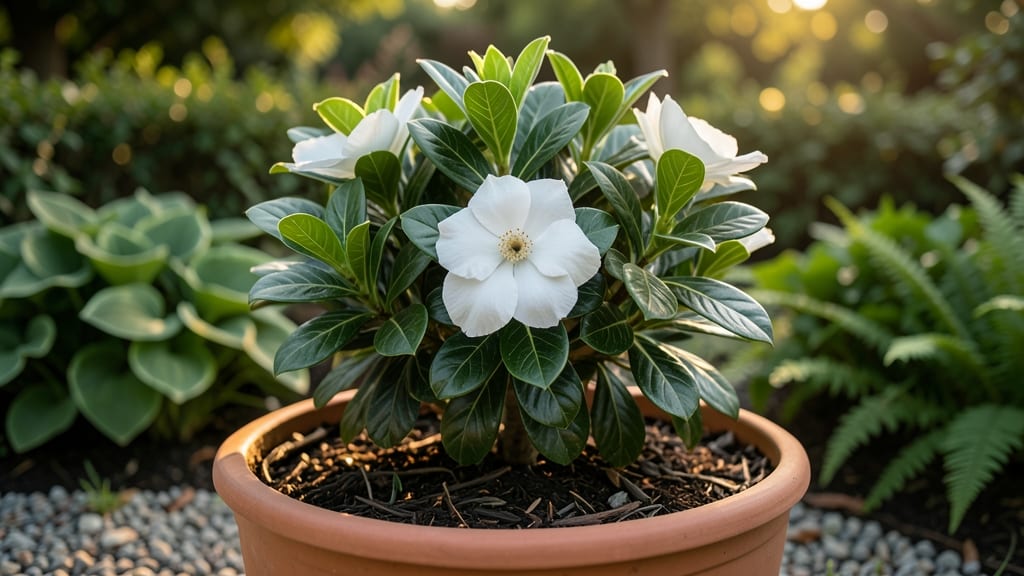
Choosing the right frost-proof gardenia size can mean the difference between a thriving, fragrant shrub and one that freezes back to the ground every winter.
Cold winters don’t have to mean saying goodbye to your gardenia plants—some stunning frost-proof varieties thrive even when temperatures dip below freezing. Whether you’re in USDA zones 8-11 or pushing the limits in colder regions, the key lies in selecting the right cold-hardy size and variety.
Dwarf gardenias, like ‘Kleim’s Hardy,’ stay compact at 2-3 feet but pack a punch with their frost tolerance, while standard varieties can reach 4-6 feet and still survive light freezes with proper care. The secret? Mulching, strategic pruning, and knowing when to protect your plant before the first frost hits.
In this guide, I’ll break down the best frost-proof gardenia sizes for your climate, share proven winter care tips, and help you pick the perfect variety—so you can enjoy those iconic 🌸 blooms year after year, no matter how chilly it gets.


Best frost-proof gardenia sizes for cold climates
If you love the intoxicating fragrance of gardenias but live in a colder climate, don’t assume these beauties are off-limits! Some cold-hardy gardenia varieties can survive—and even thrive—in temperatures as low as 15°F (-9°C) with proper care.
The key lies in choosing the right frost-proof gardenia size and variety for your USDA hardiness zone. Dwarf types offer compact elegance, while larger varieties provide bold statement blooms, all with frost resistance built in.
Not all gardenias handle cold equally. Standard varieties often struggle below 20°F (-7°C), but specialized hybrids like ‘Kleim’s Hardy’ or ‘Radicans’ push those limits. The right size affects not just aesthetics but also how well your plant recovers from winter stress.
For example, dwarf gardenias (2-3 ft tall) recover faster from frost damage than their taller counterparts because their smaller root systems dry out less quickly in cold snaps.
Here’s what you need to know about frost-proof gardenia sizes, from dwarf varieties perfect for containers to large shrubs that dominate garden beds—all while surviving freezing temperatures. We’ll compare their mature sizes, growth rates, and ideal planting zones to help you pick the perfect cold-hardy gardenia for your space.
🌱
When selecting a frost-proof gardenia size, consider your available space and how the plant will fit into your landscape. For example, ‘Radicans’ and ‘Mystery’ are ideal for container gardening because their compact size (2-3 ft tall) makes them perfect for patios or balconies.
These dwarf varieties also recover more quickly from frost damage, making them a low-maintenance choice for colder climates.
If you have room for a statement plant, ‘Veitchii’ and ‘Fortuniana’ deliver dramatic height (4-8 ft) while still offering frost resistance.
However, these larger gardenias require more space for their roots to establish and may need extra winter protection, like thick mulch or burlap wraps, in zones colder than 7.
Their faster growth rates mean you’ll enjoy blooms sooner, but they’ll also need more frequent pruning to maintain shape and health.
For gardeners in USDA zones 6-7, where winters can be brutal, ‘Kleim’s Hardy’ strikes the perfect balance. This 3-4 ft tall shrub thrives in zones 6-9 and produces abundant fragrant blooms.
Its moderate growth rate and cold tolerance make it a top pick for foundation plantings or mixed borders. I’ve seen this variety survive 20°F (-7°C)
How to plant and care for cold-resistant gardenias
Cold-hardy gardenias are a dream come true for gardeners in USDA Zones 7-9, where winter temperatures can drop well below freezing. Unlike traditional gardenias that struggle in cold climates, these frost-resistant varieties thrive with the right care.
The key lies in selecting the correct size for your climate—dwarf varieties (2-3 ft) handle colder snaps better than standard types (4-6 ft). With proper planting techniques and seasonal adjustments, you can enjoy fragrant blooms even after frost hits.
Before planting, focus on well-draining, acidic soil (pH 5.0-6.5) and a location with morning sun and afternoon shade. These conditions mimic their native tropical habitats while protecting them from harsh winter winds.
For colder regions, choose ‘Kleim’s Hardy’ or ‘Radicans’—both compact varieties that tolerate 15°F temperatures with minimal protection. Let’s break down the essential steps to plant and care for these resilient shrubs.
Step-by-Step Guide to Planting Frost-Proof Gardenias
-
Step 1:
Choose the Right Size for your climate:
- Dwarf (2-3 ft): Best for Zones 7-8 (e.g., ‘Radicans’)
- Semi-dwarf (3-4 ft): Thrives in Zones 8-9 (e.g., ‘Kleim’s Hardy’)
- Avoid standard sizes (4-6 ft) in Zones below 8
-
Step 2:
Prepare the Soil 3-4 weeks before planting:
- Mix peat moss or compost into native soil
- Ensure drainage holes if planting in containers
- Test pH—aim for 5.0-6.5 (use sulfur to lower pH if needed)
-
Step 3:
Plant After Last Frost (typically March-April):
- Dig a hole twice as wide as the root ball
- Place plant so top of root ball sits 1 inch above soil
- Backfill with amended soil and water deeply
-
Step 4:
Mulch Heavily for winter protection:
- Apply 4-6 inches of pine bark mulch or straw
- Extend mulch 3 inches from plant base to insulate roots
- Remove mulch in early spring to prevent rot
-
Step 5:
Prune Strategically in late winter/early spring:
- Remove dead or crossing branches first
- Trim 1/3 of oldest growth to encourage new blooms
- Avoid heavy pruning—it reduces cold hardiness
-
Step 6:
Protect from Frost with these techniques:
- Wrap container plants in burlap or frost cloth
- Use Christmas lights near plants to add 5°F warmth
- Move potted gardenias to a garage or shed if temps drop below 20°F
After planting, monitor your gardenias closely during their first winter. Yellowing leaves in spring often signal root damage from frost—this is common in younger plants. To revive them, trim affected foliage and feed with an acid-loving plant fertilizer (10-10-10) in early spring.
Remember, dwarf varieties recover faster due to their smaller root systems, making them ideal for colder microclimates like Zone 7 patios or sheltered garden nooks.
For long-term success, group your gardenias with evergreen shrubs like boxwood or holly—their foliage creates a natural windbreak. This simple trick can raise soil temperatures by 2-3°F, making a noticeable difference in frost-prone areas.
With these care techniques, your cold-resistant gardenias will reward you with scented blooms from June to September, even after winter’s harshest freezes.
🌱