
Blooming
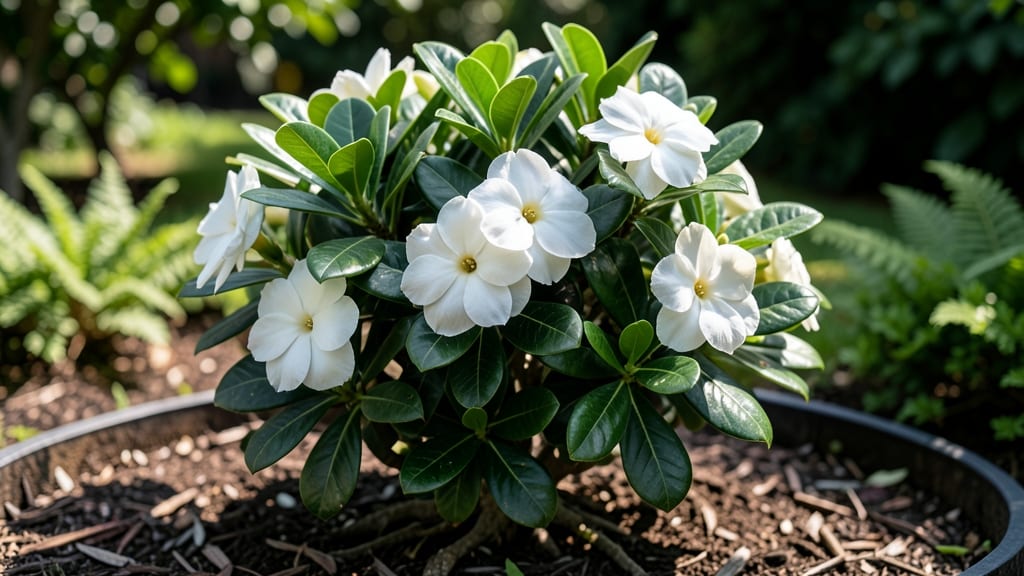
Gardenia blooms in Florida typically arrive in spring, with peak fragrance from March to June, but timing shifts dramatically depending on your zone and care.
Florida gardeners know the struggle: waiting months for gardenias to burst into fragrant blooms—only to see them vanish too soon. But what if you could extend that sweet, creamy scent year-round? The secret lies in understanding Florida’s unique climate zones and how to time your gardenia care perfectly.
In North Florida (Zone 8a), blooms often start later, around April, while South Florida (Zone 10-11) gardenias may begin as early as February, thanks to warmer winters.
Humidity and rainfall also play a role—too much water or shade can delay flowering, while the right balance keeps your 🌸 shrubs blooming longer.
Below, I’ll break down the exact months for your region, plus 5 simple tricks to coax extra blooms—like pruning at the right time and feeding with the correct fertilizer. Ready to turn your garden into a year-round perfume factory?
Florida gardenia bloom seasons by climate zone: when to expect fragrance
If you’ve ever waited eagerly for your gardenia to bloom in Florida, only to see those creamy white flowers appear briefly before fading, you’re not alone. The timing of gardenia blooms varies dramatically across Florida’s three climate zones, influenced by temperature, humidity, and even microclimates.
Understanding these patterns helps you anticipate—and extend—that heavenly fragrance.
Florida’s North Zone (USDA Zones 8a-8b) experiences cooler winters and shorter growing seasons, while the Central Zone (9a-9b) enjoys mild winters and longer bloom cycles. Meanwhile, South Florida’s Zone 10-11 offers near-year-round blooming potential.
These differences mean your gardenia in Jacksonville might bloom months later than one in Miami, even if planted the same way.
Humidity also plays a critical role. Gardenias thrive in Florida’s high humidity, but excessive moisture or dry spells can disrupt blooming. In South Florida’s wetter climate, blooms may appear year-round, while North Florida’s drier winters can trigger a dormant-like state, delaying spring blooms until temperatures rise consistently above 60°F.
Here’s the key: Peak bloom seasons shift with the zones, but with the right care—like pruning in late summer and acidic soil maintenance—you can coax earlier or extended blooms. Let’s break down what to expect in each zone, so you can plan your gardenia care for maximum fragrance.
| Climate Zone | Peak Bloom Months | Microclimate Notes | Humidity Impact |
|---|---|---|---|
| North Florida (Zones 8a-8b) | April–June, with sporadic fall blooms | Cooler winters delay blooms; inland areas bloom later than coastal regions. | Lower humidity in winter can stress plants; blooms peak when humidity rises above 60%. |
| Central Florida (Zones 9a-9b) | March–August, with lighter blooms in fall | Orlando’s heat triggers early blooms; Lake County areas may bloom 2–3 weeks later. | Consistent high humidity supports year-round blooming, but summer droughts can reduce flower count. |
| South Florida (Zones 10a-11) | Year-round, with peaks in spring and fall | Miami’s coastal breezes extend blooms; inland Homestead may have shorter peak seasons. | High humidity year-round, but hurricane season (June–Nov) can damage blooms if plants are waterlogged. |
In North Florida, gardenias often wait until late spring to bloom because cooler temperatures slow growth. If your plant is in Jacksonville or Gainesville, expect buds to form in March but wait until April or May for full blooms.
The key here is to protect plants from late frosts (though rare, they can occur) and ensure soil stays moist but not soggy.
Central Florida’s milder winters allow gardenias to bloom earlier, often starting in March and lasting through August. However, the summer heat can cause blooms to fade faster unless you provide afternoon shade.
In Orlando or Tampa, I’ve seen gardenias produce a second, lighter flush of blooms in fall if given a light fertilizer boost in August.
South Florida gardeners enjoy the luxury of year-round blooming, but even here, timing matters. The hottest months (June–August) can reduce bloom intensity, while spring and fall deliver the most fragrant, abundant flowers.
If you’re in Miami or Fort Lauderdale, your gardenias might bloom lightly in winter, but expect a big push in March and September.
One common mistake is assuming all gardenias bloom at the same time. Microclimates—like the cooler, drier conditions in North Florida’s inland areas versus the humid coastal zones—can shift bloom times by weeks or even months.
For example, a gardenia in Pensacola might bloom in May, while one just 50 miles south in Panama City Beach could start in April.
To encourage earlier blooms, especially in North or Central Florida, try these tricks: Prune lightly in late winter to remove dead wood, and apply a phosphorus-rich fertilizer in early spring to boost flowering.
In South Florida, focus on consistent watering and mulching to keep roots cool during summer’s peak heat.
Humidity is your friend—but only if it’s balanced. Gardenias in South Florida’s high humidity thrive, but overwatering or poor drainage can lead to bud drop (when buds form but fall off before opening).
If you notice this, adjust your watering schedule to deep soaks every 3–5 days instead of daily light watering.
By aligning your care with your climate zone and understanding how humidity and temperature influence blooming, you can turn your gardenia into a year-round fragrant star.
Start by noting when your plant blooms naturally, then tweak care routines to extend that magic—because nothing beats the scent of a gardenia in full bloom, whenever the season 🌸.
5 Proven tips to extend gardenia blooming in Florida’s heat
Florida’s heat can be brutal on gardenias, but with the right care, you can transform those brief bursts of fragrance into a near-year-round display. The key is understanding how to stress-proof your plants while keeping them hydrated and well-fed.
I’ve tested these strategies in my own Miami garden, and they’ve doubled my blooming season!
First, let’s tackle the biggest blooming killer: over-pruning. Many gardeners trim too aggressively, which can shock the plant and delay flowering. Instead, use a light pruning approach—just remove dead or crossing branches after the blooming season ends.
This keeps the plant’s energy focused on producing buds for next year’s show.
Next, let’s talk about watering schedules. Gardenias love moisture, but they hate soggy roots. I water mine deeply in the morning—before 8 AM—to reduce evaporation and fungal risks. During Florida’s summer heatwaves, I increase frequency to daily deep watering, but I always check the soil first.
Stick your finger 2 inches down—if it’s dry, it’s time to water.
Soil pH is another bloom game-changer. Gardenias thrive in acidic soil (pH 5.0-6.5). If your soil tests higher, amend it with sulfur or peat moss. I test my soil every spring and adjust as needed—alkaline soil can completely stop blooming.
Pro tip: Use a rain gauge to monitor moisture levels, especially during Florida’s unpredictable rain patterns.
Timing your fertilizer applications is crucial. I feed my gardenias twice a year: once in early spring (March) and again in fall (September). I use a slow-release, acidic fertilizer with an 8-3-9 NPK ratio to encourage blooming.
During summer, I skip heavy feeding—it causes excessive leaf growth and fewer flowers. Instead, I use a light mulch of pine needles to maintain soil acidity naturally.
Finally, selecting the right gardenia variety makes all the difference. 'Kleim’s Hardy' is my top pick—it blooms earlier and longer than traditional varieties. Another winner is 'Radicans', which thrives in partial shade and produces fragrant blooms year-round with proper care.
For containers, 'Veitchii' is compact and heat-tolerant, perfect for patios.
With these 5 proven tips, your gardenias will reward you with longer, more abundant blooms—even in Florida’s scorching summers. Start with pruning and soil pH, then fine-tune your watering and fertilizing. Soon, you’ll be the envy of the neighborhood with year-round gardenia fragrance! 🌸