
Shrubs
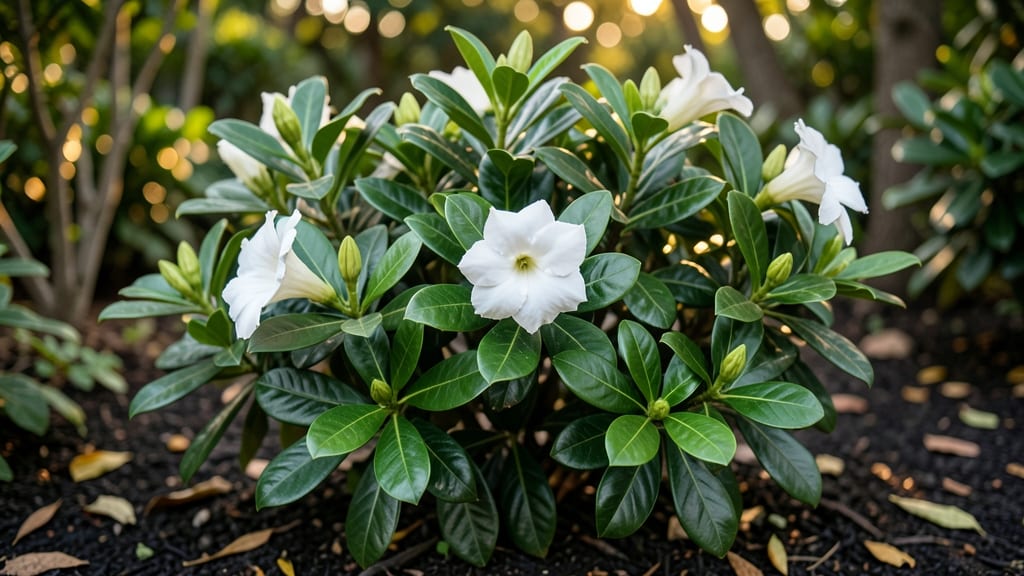
A full grown gardenia bush 🌸 can transform your yard into a fragrant paradise—but only if you know the secrets to keeping it thriving.
Picture this: you’ve spent years nurturing your gardenia, only to watch it produce sparse blooms or wilt under the slightest stress. The truth? Most gardeners miss the three key care steps that make the difference between a struggling shrub and a showstopper.
In this guide, I’ll walk you through the exact pruning techniques to encourage more blooms, the ideal soil and watering routines that keep your gardenia lush, and how to troubleshoot common problems before they derail your progress.
By the end, you’ll have a gardenia that not only survives but flourishes—year after year—with minimal effort and maximum fragrance.
How to prune a full grown gardenia bush for maximum blooms & health
A full grown gardenia bush thrives when pruned correctly, but many gardeners hesitate due to fear of harming those prized fragrant blooms. The key is timing and technique—prune at the right season and focus on healthy growth rather than drastic cuts.
I’ve learned that gardenias reward patience with abundant summer blooms when pruned properly, but mistakes like cutting too late or removing too much can stunt future flowers.
Gardenia bushes bloom on new wood, meaning they produce flowers on current season’s growth. This means light pruning is ideal—never remove more than one-third of the plant in a single session.
I’ve seen gardeners accidentally kill blooms by over-pruning in fall, so timing is everything. Let’s dive into the step-by-step process to keep your gardenia lush and fragrant year after year.
Step-by-Step Pruning Guide for Gardenia Bushes
One of the biggest mistakes I’ve seen is pruning gardenias in fall. Since they bloom on new wood, cutting back too late can remove next year’s flower buds before they form.
I once accidentally pruned my gardenia in October, and it barely bloomed the following spring. Spring pruning is your safest bet—it gives the plant time to recover and set buds for summer.
If your gardenia looks overgrown or leggy, don’t panic—just focus on gradual shaping. I pruned my 6-foot-tall gardenia back by 20% each spring over three years, and now it’s perfectly shaped with plenty of blooms. The secret? Patience and consistency—never rush the process.
For optimal airflow, always aim to open the center of the bush. Dense growth traps moisture and invites
Essential care tips for a full grown gardenia bush to ensure year-round fragrance
A full grown gardenia bush thrives when you replicate its natural tropical environment. The key to year-round fragrance starts with understanding its acid-loving soil needs—aim for a pH between 5.0 and 6.5.
If your soil tests higher, amend it with peat moss or sulfur to create the perfect acidic foundation. Gardenias also demand consistent moisture, but soggy roots spell disaster.
Think of it like a spa day: deep watering once a week in cooler months, but every 3-5 days during scorching summer heat.
Sunlight is another critical factor—your gardenia craves 4-6 hours of morning sun paired with afternoon shade. Too much direct afternoon sun can scorch delicate leaves, while insufficient light leads to sparse blooms. If you notice yellowing leaves, it’s often a sign of overwatering or poor drainage.
Always plant in well-draining soil and consider adding a 2-inch mulch layer to retain moisture and regulate temperature. This simple step can dramatically improve your gardenia’s resilience during heatwaves.
| Care Factor | Requirements | Pro Tips |
|---|---|---|
| Soil pH | 5.0–6.5 (acidic) | Test with pH strips; amend with sulfur or peat moss if needed. |
| Watering | 1–2 gallons weekly (deep soak) | Water at soil level, not leaves, to prevent fungal diseases. |
| Sunlight | 4–6 hours morning sun | Use sheer curtains or lattice for afternoon shade in hot climates. |
| Fertilizer | Acid-loving 8-3-9 NPK | Feed every 4–6 weeks in growing season; avoid winter fertilization. |
| Pest Control | Aphids, scale, fungal spots | Spray with neem oil or insecticidal soap at first sign of pests. |
Fertilizing your gardenia correctly is non-negotiable for those show-stopping blooms. Opt for an acid-loving fertilizer like 8-3-9 NPK ratio, which mimics the nutrient profile of tropical soils. Apply it every 4–6 weeks during the growing season, but skip winter feedings—your gardenia enters dormancy and doesn’t need extra nutrients.
Organic options like fish emulsion or cottonseed meal work wonders too, but always water thoroughly after applying to prevent root burn.
Pests and diseases are the silent killers of gardenia fragrance. Watch for aphids, scale insects, or fungal spots on leaves—these are red flags. Aphids cluster on new growth, while scale appears as sticky bumps on stems. At the first sign, neem oil or insecticidal soap can save your plant.
For fungal issues like powdery mildew, improve airflow by pruning crowded branches and avoid overhead watering. A copper fungicide applied preventatively in humid climates can also be a game-changer.
Don’t overlook the power of seasonal adjustments. In winter, reduce watering to monthly light soaks and protect your gardenia from frost with a thick mulch layer or burlap wrap. Even in warmer zones, a light frost can damage buds, so monitor weather forecasts and take precautions.
With these tweaks, your gardenia will reward you with continuous blooms and intoxicating fragrance all year long.
Remember, the secret to a thriving gardenia lies in consistency. Whether it’s acidic soil, deep watering, or pest vigilance, small daily habits add up to a fragrant masterpiece. Start with these essentials, and you’ll be stepping into a tropical paradise every time you walk through your garden.