
Light Requirements
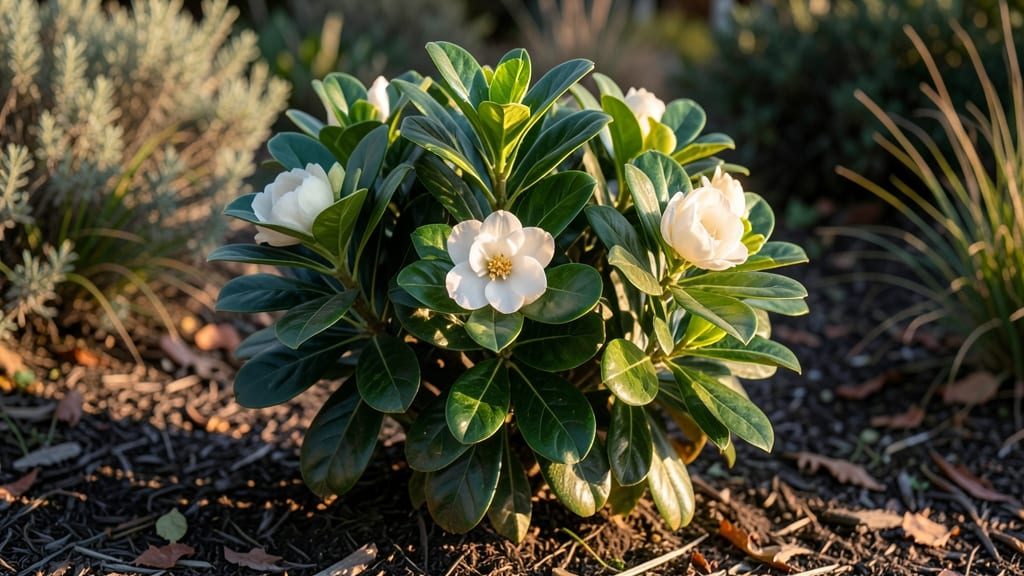
Struggling to keep your gardenia blooming through winter? Frost-proof gardenias thrive in heat but need the right sunlight balance—too much or too little can kill your plant. Here’s how to master their sun requirements for year-round color.
In USDA Zone 9b and beyond, these heat-loving shrubs (🌸) demand bright, indirect light, especially in scorching afternoons. Too much direct sun causes leaf burn, while too little shade stunts blooms. The key is positioning them where morning rays warm the soil without scorching the leaves.
Below, I break down the exact sunlight hours needed by zone, how to spot sun stress early, and which frost-resistant varieties handle full sun best—plus seasonal tweaks to keep your gardenia flowering like clockwork.

Optimal sunlight hours for frost-proof gardenias by USDA hardiness zones
Frost-proof gardenias are stunning shrubs that reward you with fragrant blooms year-round, but their sunlight needs vary dramatically depending on your USDA hardiness zone. In cooler zones like 8-9, they thrive with morning sun and afternoon shade, while zones 10-11 demand afternoon protection from scorching heat.
Getting this balance right means the difference between lush, blooming shrubs and stressed, struggling plants.
Most gardeners assume these heat-loving plants need full sun all day, but that’s a recipe for leaf burn and wilting in hot climates. The key is understanding how to adjust sunlight exposure based on your specific zone and seasonal shifts.
Let’s break down the ideal sunlight hours for each zone, plus how to protect your gardenia from midday heat stress.
📌 Pro Tip: Always monitor your gardenia’s leaves for yellowing or crispy edges—these are the first signs of sun stress. Adjust shade cloth or prune nearby trees immediately to prevent permanent damage.
In USDA zones 8-9, frost-proof gardenias need 4-6 hours of sunlight daily, with a focus on morning sun exposure. This mimics their natural tropical habitat, where they avoid the harshest afternoon rays.
I’ve found that planting them near east-facing walls or under deciduous trees (like oak or maple) works beautifully—the trees provide natural shade in summer but allow sunlight in winter when they’re bare.
For zones 10-11, the stakes are higher. These areas experience intense afternoon heat that can scorch leaves in minutes. Limit sunlight to 2-4 hours maximum, and always place your gardenia where it receives only morning sun.
If you’re in a zone 11 with 100°F+ temperatures, consider using a 50% shade cloth during peak heat (11 AM–3 PM) to prevent stress.
Seasonal shifts matter too. In cooler months (fall/winter), gardenias in zones 8-9 can handle full sun for longer periods (up to 8 hours). Conversely, in summer, even zone 8 gardenias benefit from afternoon shade.
I prune nearby branches or install temporary shade sails to create this dynamic balance effortlessly.
Another trick I’ve used is pruning for sunlight control. Thin out dense foliage on the south or west sides of your gardenia to allow gentler air circulation and reduce heat buildup.
This also makes it easier to spot sun-stressed leaves early, so you can adjust shade coverage before damage occurs.
If you’re growing frost-proof gardenias in containers, their sunlight needs change slightly. Pots heat up faster, so reduce exposure to 3 hours max in zones 10-11 and move them to shadier spots during heatwaves. Always use a light-colored container to reflect excess heat and keep roots cooler.
Finally, don’t forget that newly planted gardenias are extra sensitive to sunlight. The first 3-6 months after transplanting, they need gradual acclimation. Start with 2-3 hours of morning sun and slowly increase exposure over weeks.
Rushing this process leads to sunburn and stunted growth, which is heartbreaking after all your hard work.
With these zone-specific guidelines, your frost-proof gardenia will thrive year-round, blooming beautifully without the stress of too much or too little sun. 🌸
Signs your frost-proof gardenia is getting too much or too little sun
Your frost-proof gardenia’s leaves tell a story—crispy edges scream sunburn, while pale, sparse foliage whispers under-exposure. These visual cues help diagnose whether your plant is basking too long or hiding in the shade.
Let’s decode the signs so you can adjust sunlight for year-round blooms and lush growth.
First, check the leaf condition. Brown, papery patches on leaves mean too much sun, especially in USDA zones 10-11 where afternoon heat intensifies. Meanwhile, yellowing leaves or stunted growth signal insufficient light, common in shady corners or northern exposures.
Both extremes stress the plant, reducing blooms and weakening roots.
- Leaf Burn: Crispy, brown edges
- Wilting: Even with deep watering
- Fewer Blooms: Stressed plant skips flowers
Move to morning sun only or add lattice shade in zones 10-11.
- Yellow Leaves: Pale, sparse foliage
- Leggy Growth: Stretched stems
- No Blooms: Energy spent reaching light
Relocate to 4-6 hours of sun or use grow lights in winter.
For over-sunned gardenias, prune damaged leaves immediately to prevent fungal infections. Then, shift the plant to a spot with dappled shade—think 30% afternoon shade in zones 10-11. Use a lightweight shade cloth if needed, ensuring airflow stays strong to avoid humidity buildup.
If your gardenia is light-deprived, gradually increase sun exposure over 2-3 weeks to avoid shock. Place it near an east-facing window or under a sheer curtain to filter harsh midday rays.
In USDA zones 8-9, a south-facing spot with 4-6 hours of sun works best, balancing growth and bloom production.
Watch for seasonal shifts too. In summer, your gardenia may need afternoon shade, while winter’s weaker sun might require supplemental lighting. Adjust pruning to open the canopy for better light penetration, especially if lower branches look bare or yellow.
A little tweaking keeps your frost-proof gardenia thriving year-round.
Remember: consistency is key. Gardenias hate sudden changes, so monitor their response weekly. With the right balance, you’ll reward yourself with fragrant blooms from spring to fall—no matter the zone! 🌸