
How To
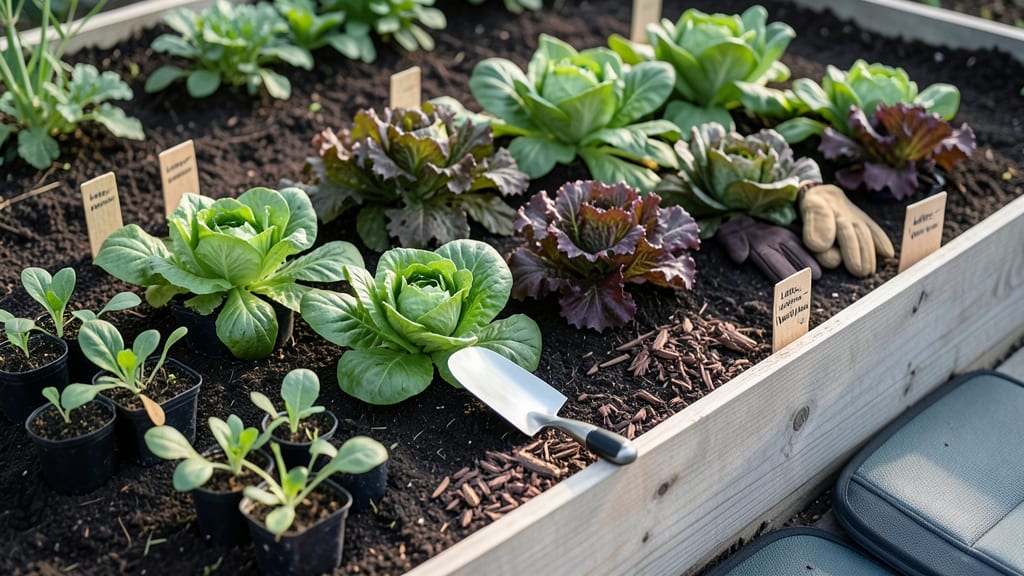
Growing a lettuce garden from seed or transplant is simpler than you think—especially when you focus on the right spacing, soil prep, and a few speed tricks to keep your 🥬 crisp and ready for harvest.
Picture this: you’re snapping off a leaf for your sandwich, and it’s so fresh it practically sings. That’s the magic of a well-timed garden—no bolting, no bitter flavors, just steady growth. The key? Starting with the right setup and a little patience.
In this guide, I’ll walk you through choosing the perfect spot, prepping soil that lettuce loves, and spacing plants to avoid overcrowding. You’ll also learn how to water and fertilize for maximum speed without sacrificing taste.
By the end, you’ll have a lettuce patch that’s bolting-proof, pest-resistant, and ready to deliver fresh greens in just 60-75 days—no green thumb required.


Optimal lettuce garden spacing & layout for maximum yield
Getting your lettuce spacing right is the secret to avoiding bitter leaves, stunted growth, and wasted space. Too close, and you’ll battle disease and bolting—lettuce’s way of flowering prematurely.
Too far apart, and you miss out on maximum yield per square foot. The key? Science-backed planting distances tailored to your garden type.
I’ve tested these layouts in my own backyard garden and container setups, and the difference in harvest size is night-and-day. For example, loose-leaf varieties like Black Seeded Simpson can handle closer spacing, while head lettuces like Romaine need more room to form tight hearts.
Let’s break down the rules for both in-ground gardens and container growing.
For in-ground gardens, I recommend planting in blocks rather than straight rows. This makes it easier to reach the middle plants without stepping on the soil, which can compact it.
For example, a 4-foot-wide block of loose-leaf lettuce spaced 6 inches apart will give you about 16 plants per square foot—enough for a family of four to enjoy fresh salads for weeks.
If you’re working with containers, prioritize dwarf varieties or cut-and-come-again types. A 5-gallon pot can comfortably hold 8–12 loose-leaf plants spaced 4 inches apart, while a 10-gallon pot
Soil & speed hacks for fast, bolt-resistant lettuce growth
Lettuce thrives when you give it the perfect growing conditions, but many gardeners struggle with slow growth or bitter bolting—especially during hot summer months. The secret? A rich, moisture-retentive soil mix combined with strategic shade management and fertilization timing.
With these hacks, you’ll grow lettuce 30% faster while keeping it crisp and sweet all season long.
Start with a 50/50 blend of compost and garden soil, enriched with aged manure or worm castings for extra nutrients. Lettuce loves loose, well-draining soil that holds moisture without becoming soggy. If your soil is heavy clay, amend it with perlite or coarse sand to improve aeration.
The right soil mix sets the foundation for rapid growth and prevents nutrient deficiencies that trigger bolting.
- Use a 50/50 compost-soil mix with worm castings for nutrient-dense growth.
- Apply a balanced 5-10-10 fertilizer every 2-3 weeks starting at planting.
- Install shade cloth (30-50%) during peak summer heat to prevent bolting.
- Water deeply in the morning to keep roots cool and soil consistently moist.
- Harvest outer leaves first to encourage continuous growth without stressing the plant.
For bolt-resistant lettuce, focus on shade management during hot weather. When temperatures rise above 75°F (24°C), lettuce bolts quickly. Use 30-50% shade cloth to filter direct sunlight while still allowing enough light for growth.
Alternatively, plant lettuce in partial shade areas like under taller plants or near north-facing walls. This trick keeps your lettuce sweet and crisp even in summer.
Fertilization plays a crucial role in speeding up growth. Use a balanced 5-10-10 fertilizer every 2-3 weeks starting at planting. For a natural boost, top-dress with compost tea or fish emulsion monthly.
Avoid over-fertilizing with nitrogen, as this can lead to leafy growth at the expense of flavor. Instead, focus on phosphorus and potassium to strengthen roots and improve disease resistance.
Watering is another key factor. Lettuce needs consistent moisture to stay crisp and avoid bitterness. Water deeply in the morning to reduce evaporation and fungal risks. Use drip irrigation or soaker hoses to deliver water directly to the roots without wetting the leaves.
Mulch with straw or shredded leaves to retain soil moisture and suppress weeds, which compete for nutrients.
Finally, harvest your lettuce regularly to encourage continuous growth. Start by picking outer leaves when they reach 3-4 inches tall. This method allows the plant to keep producing while keeping your harvests fresh and tender.
With these soil and speed hacks, you’ll enjoy a steady supply of crisp, bolt-resistant lettuce all season long. 🥬