
Picking
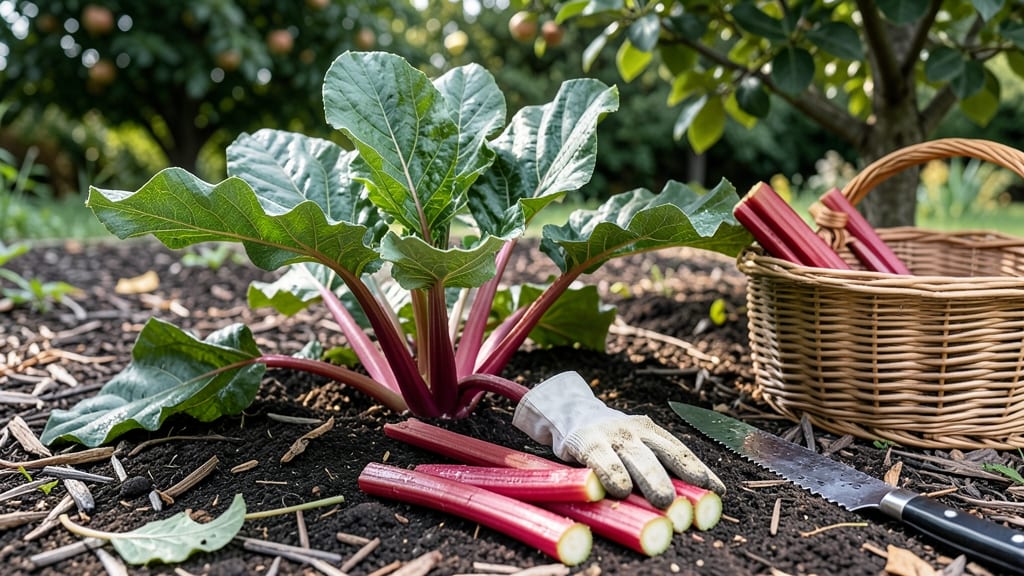
Harvesting rhubarb all summer isn’t as simple as grabbing stalks whenever you want—your plant’s health depends on timing, technique, and a little patience.
Those plump, ruby-red stalks are a springtime favorite, but pushing your 🌱 rhubarb too hard into summer can backfire. Over-harvesting weakens the plant, stunts future growth, and may even kill it if you ignore warning signs like yellowing leaves or floppy stalks.
The key? A balanced approach that keeps your rhubarb happy and productive.
Here’s the good news: with the right strategy, you can extend the harvest season well beyond its usual May-June peak. We’ll cover when to pick, how often, and the pro tips to avoid common mistakes—so you get more rhubarb without sacrificing next year’s crop.
From staggered harvesting to post-pick care, this guide gives you everything you need to enjoy fresh rhubarb through late summer—without turning your garden into a sad, shriveled stump.


When and how to harvest rhubarb stalks for maximum summer yield
Harvesting rhubarb all summer is possible, but it requires careful planning to avoid weakening your plant. Mature rhubarb plants (3+ years old) can produce stalks through late summer, but you must balance harvest frequency with the plant’s ability to recover.
The key is understanding when to harvest and how to do it without causing stress.
Traditionally, rhubarb is harvested in late spring to early summer, but with proper care, you can extend the season. The trick lies in selective stalk removal and monitoring plant health. Over-harvesting in summer can lead to stunted growth or even plant decline, so timing and technique are everything.
Here’s how to maximize your summer yield while keeping your rhubarb healthy:
Harvest only when stalks are thick and firm, typically 10-12 inches long. Smaller stalks won’t regrow as robustly.
Use clean pruning shears or a sharp knife to cut stalks at soil level. Avoid tearing the stalk, which can damage the plant.
Never remove more than 1/3 of the stalks at once. The leaves are essential for photosynthesis and plant recovery.
Allow 4-6 weeks between harvests in summer to let the plant regenerate. This prevents exhaustion and ensures continuous growth.
Watch for yellowing leaves or stunted stalks, signs of over-harvesting. Adjust frequency if the plant struggles to recover.
Summer harvesting demands extra attention to soil moisture and nutrients. Rhubarb thrives with consistent watering (1-2 inches per week) and a balanced fertilizer every 4-6 weeks. Mulching with organic matter also helps retain moisture and protect roots from heat stress.
If your rhubarb is in USDA zones 4-8, you can push harvests into early fall before the first frost. In warmer zones, reduce harvesting by late July to let the plant store energy for next year’s growth.
Always prioritize plant health over quantity—a well-cared-for rhubarb will reward you for years.
Pro tip: Label your plants and track harvest dates to avoid over-picking. A simple garden journal helps you stay organized and adjust your strategy as the season progresses.
By following these steps, you’ll enjoy plentiful rhubarb stalks well into summer without sacrificing your plant’s long-term vitality. Happy harvesting!
Summer harvest risks: how over-picking weakens rhubarb plants
Rhubarb plants are hardy, but their resilience has limits—especially when it comes to summer harvesting. While you can harvest rhubarb stalks throughout the growing season, over-picking stresses the plant, leading to stunted growth or even death.
The key lies in balance: removing stalks without depleting the plant’s energy reserves stored in its leaf crowns.
Many gardeners make the mistake of harvesting immature stalks or stripping the plant too aggressively in summer. This disrupts the plant’s ability to photosynthesize and store nutrients for next year’s growth. Even mature rhubarb plants need time to recover, especially in hot, dry conditions where stress compounds.
⚠️ callout warning
Your rhubarb is protesting if you see:
- Yellowing leaves (sign of nutrient depletion)
- Thin, weak stalks (plant prioritizing survival over yield)
- No new growth (energy diverted to root recovery)
If ignored, these signs lead to permanent decline or death. Act fast by:
- Reducing harvest frequency by 50%
- Adding compost or balanced fertilizer (10-10-10)
- Increasing watering depth (1L per plant, morning-only)
One critical error is harvesting more than 1/3 of the stalks at once. For example, if your plant produces 20 stalks, limit yourself to 6-7 stalks per harvest. Always cut stalks 1 inch above ground level to avoid damaging the crown—this prevents rot and encourages regrowth.
Summer heat accelerates moisture loss, so neglecting soil moisture worsens over-harvesting damage. Rhubarb roots need consistent hydration to support stalk production. If the soil feels dry 2 inches below the surface, water deeply (1L per plant) and mulch with 2-3 inches of straw to retain moisture.
Reviving an over-picked rhubarb starts with immediate care adjustments. Stop harvesting entirely for 4-6 weeks to let the plant recover. During this time, focus on leaf health—healthy leaves mean more energy for root and stalk regrowth.
If leaves appear weak, apply a liquid seaweed fertilizer for a quick nutrient boost.
With proper care, even stressed rhubarb plants bounce back. Next summer, plan for staggered harvests: pick every 2-3 weeks instead of weekly, and always prioritize larger, mature stalks over smaller ones. This approach ensures your rhubarb thrives for years to come—not just one season. 🌱