
Vegetables
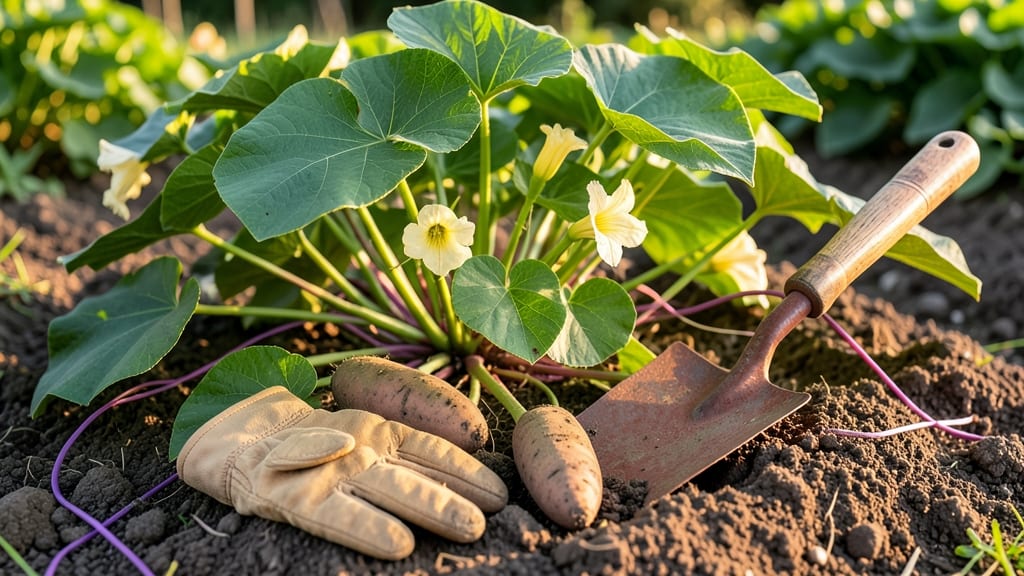
What month do you harvest sweet potatoes? Timing is everything—miss the window from September through November, and you risk small, starchy tubers instead of the sweet, flavorful ones you crave 🍠.
Here’s the catch: these roots don’t announce readiness with size alone. Instead, watch for leaves turning yellow and wilting, then test the soil—if a tuber resists gentle digging, it’s ready.
In warmer zones, you might start as early as August, while cooler areas like Zone 6 should wait until October or November to avoid frost damage.
Why does this matter? Harvesting too early means underdeveloped tubers with less sugar, while waiting too long risks frost or overripe roots that split easily. The key is balancing leaf color, soil resistance, and your local climate to lock in that perfect harvest moment.
Below, I’ll break down the exact signs to watch for—plus how to cure and store your sweet potatoes for maximum sweetness and shelf life.


When to harvest sweet potatoes by month: leaf color & soil check guide
Harvesting sweet potatoes at the right time ensures maximum sweetness and flavor. While most varieties mature between 90-140 days after planting, the exact month depends on your climate zone and variety.
Early varieties like 'Beauregard' may be ready by late September, while late varieties like 'Georgia Jet' might need until November. Pay attention to leaf color and soil conditions rather than relying solely on the calendar.
In warmer regions (USDA Zones 8-10), sweet potatoes often mature earlier, sometimes as early as mid-August for early varieties. Meanwhile, cooler climates (Zones 5-7) may see harvests extending into late November.
The key is watching for leaf yellowing and vine dieback, which signal that the tubers have reached peak sweetness. Always perform a soil resistance test to confirm readiness before digging.
| Month | Leaf Color | Soil Test | Harvest Window | Regional Notes |
|---|---|---|---|---|
| August | Early yellowing on edges | Firm but slightly soft | Early varieties only | Zones 8-10 |
| September | Mostly yellow/brown leaves | Resists gentle pressure | Peak harvest time | Zones 6-10 |
| October | Dry, crispy leaves | Firm, resists thumb | Late varieties | Zones 5-7 |
| November | Fully browned vines | Very firm, hard soil | Before first frost | Northern climates |
In August, early varieties in warm climates may show the first signs of readiness. Look for yellowing leaf edges and slightly softer soil. This is the earliest you’ll likely harvest, but only for fast-maturing varieties like 'Bonita'.
If your plants are still lush and green, wait at least 2-3 weeks before testing again. Avoid harvesting in August if your region experiences early frosts, as tubers won’t fully mature.
By September, most sweet potato varieties reach their harvest window. This is the peak month for harvesting in Zones 6-10, where daytime temperatures remain warm. Check for yellowing leaves that eventually turn brown and crispy.
Perform the soil resistance test by gently pressing your thumb into the soil near the vines—if it feels firm and resists slight pressure, it’s time to harvest. Early morning is the best time to dig, as the soil is cooler and easier to work with.
If you’re in a cooler climate (Zones 5-7), September might still be too early for late varieties. Wait until October when leaves turn fully brown and vines become crispy. The soil should feel very firm, almost hard, when pressed.
This indicates the tubers have fully developed and stored enough starch. Harvesting in October ensures sweeter, more flavorful sweet potatoes, especially for varieties like 'Covington' or 'Centennial', which take longer to mature.
In November, focus on harvesting before the first frost hits. By this time, most vines will be completely brown and dry. The soil will be very hard, making it easier to dig without damaging the tubers.
This is critical for northern climates where frost can kill the plants and leave tubers in the ground to rot. If frost is imminent, harvest immediately, even if the vines aren’t fully brown. Sweet potatoes can tolerate light frosts but will spoil if left in frozen soil.
One common mistake is harvesting based on tuber size alone. A large tuber doesn’t always mean it’s ready—it could be underdeveloped or overripe. Always combine leaf color, soil firmness, and vine condition for the most accurate assessment.
For example, a 'Jewel' sweet potato might look large but still taste bland if harvested too early. Wait until the leaves are at least 50% yellow before digging.
After harvesting, let the sweet potatoes cure in a warm, humid environment (around 85°F and 80% humidity) for 5-10 days to develop their full sweetness. This step is crucial for improving flavor and storage life.
Store cured sweet potatoes in a cool, dark place (around 55-60°F) to keep them fresh for months. Proper timing and curing ensure you enjoy the best-tasting sweet potatoes from your garden.
🍠
How to test sweet potato readiness: 3 key signs beyond calendar dates
Sweet potatoes thrive when you harvest them at the perfect moment—not just by guessing the month but by watching for visual cues and physical changes. Relying solely on calendar dates can lead to underripe tubers with poor flavor or overripe ones that spoil quickly.
Instead, focus on three key signs that reveal when your crop is truly ready to pull from the ground.
First, pay attention to the leaf color. Healthy green leaves signal active growth, but when they start turning yellow or brown and crisping at the edges, it’s time to check further.
This color shift isn’t just about age—it’s your plant’s way of saying, "I’ve stored enough energy in those roots!" Ignoring this sign can mean harvesting too late, when the tubers may have already begun to rot in the soil.
The soil resistance test is my favorite trick for confirming readiness. After the leaves show color changes, dig your thumb about 2 inches into the soil near the vines. If the soil feels compacted and resists your pressure, the tubers have likely stopped growing and are storing energy.
This test works best in the morning, when the soil is slightly damp but not soggy. Pro tip: Avoid testing after rain, as wet soil can give false resistance readings.
Don’t overlook the vine dieback signal—this is your plant’s final "all clear" for harvest. When at least 50% of the vines turn crispy and fall over (not just droop from heat stress), it’s time to act.
However, wait until most vines have died back to ensure maximum sweetness. Harvesting too soon after vine dieback can leave tubers underdeveloped, while waiting too long risks soil-borne diseases taking hold.
Common mistakes like harvesting based on size alone or ignoring leaf signals can lead to bitter, fibrous tubers. For example, I once dug up a batch of sweet potatoes because they looked large enough—only to find they were starchy and watery instead of sweet.
Always combine these three signs: leaf color, soil resistance, and vine dieback. Once all three align, you’re ready for a flavorful harvest!
After confirming readiness, harvest on a dry, sunny day to let tubers cure properly. Cure them in a warm, humid space (like a garage) for 10 days to develop their signature sweetness. Store in a cool, dark place with good airflow to extend shelf life.