
Fertilization
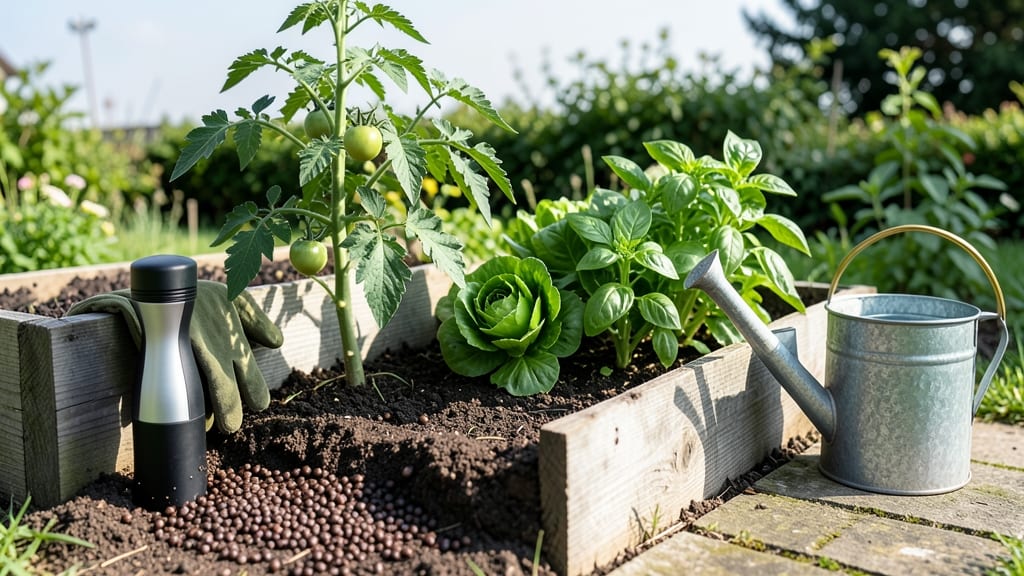
You should fertilize your garden every 4 to 6 weeks during the growing season—spring through early fall—when plants are actively pushing new growth 🌱.
Over-fertilizing your garden can be just as harmful as under-fertilizing—yet most gardeners struggle to find the perfect balance between feeding plants and avoiding burnout.
The right schedule depends on what you’re growing: vegetables need frequent, balanced feedings, while flowers and shrubs often thrive on lighter, seasonal boosts.
In this guide, I’ll break down the best timing for each plant type, how to read your soil’s signals, and when to pause fertilizing entirely to protect your plants.

Seasonal fertilization schedule for common garden plants by type
Fertilizing your garden isn’t a one-size-fits-all task—it’s a seasonal science that changes with plant type, growth speed, and environmental conditions. Fast-growing vegetables like lettuce or radishes need frequent feedings, while slow-growing perennials like roses or lavender thrive on less frequent, nutrient-rich boosts.
Understanding these differences prevents nutrient burnout or stunted growth and keeps your garden flourishing year-round.
Most gardeners make the mistake of fertilizing too heavily in summer, only to see plants stress out before winter. Instead, focus on spring kickstarts, summer maintenance, and fall transitions to match plant needs.
For example, tomatoes and peppers crave nitrogen early but shift to phosphorus for fruiting, while trees and shrubs benefit from deep, slow-release nutrients in early spring.
The key is balancing macronutrients (N-P-K) with micronutrients like calcium or magnesium, especially in heavy clay or sandy soils. A soil test before spring planting reveals deficiencies, helping you tailor fertilizers to your garden’s unique needs.
For instance, blueberries demand acidic soil (pH 4.5–5.5) with high nitrogen, while asparagus prefers well-draining soil rich in phosphorus.
Below is a plant-type breakdown of fertilization schedules, including seasonal timing and nutrient priorities. Use this as your guide to avoid over- or under-feeding, ensuring your garden stays healthy and productive.
For vegetables, start fertilizing at planting with a balanced 10-10-10 or 5-10-10 (higher phosphorus for fruiting). Switch to a low-nitrogen formula like 3-4-6 when flowers appear to boost fruit production.
Fast growers like bush beans or spinach may need weekly liquid feeds if soil is poor, but avoid overdoing it—leafy greens bolt (go to seed) when stressed.
When it comes to flowers, annuals like marigolds or petunias respond well to monthly feedings of a bloom-boosting fertilizer (e.g., 5-10-15), while perennials like coneflowers only need a spring top-dressing of compost. Bulbs, such as tulips, shouldn’t be fertilized after mid-summer to encourage root development for next year’s blooms.
Shrubs and trees are the most forgiving—over-fertilizing them causes leaf burn and root damage. Focus on organic matter like compost or aged manure in early spring, then skip fertilizers until the following year. Azaleas and rhododendrons are exceptions; they need acid-loving fertilizers (e.g., cottonseed meal) every 2–3 years to maintain vibrant blooms.
In summer, shift to light feedings every 6–8 weeks to avoid heat stress. Water deeply before fertilizing to prevent root burn, and always apply in the early morning
Signs your garden needs fertilizer (and when to skip it)
Your garden speaks volumes through its leaves, stems, and overall growth patterns. Yellowing leaves on older foliage often signal nitrogen deficiency, while purple stems or slow growth may indicate phosphorus shortages.
These visual cues help determine whether your plants are hungry or simply struggling with other issues like poor drainage or pests.
On the flip side, leaf burn or crispy edges are classic signs of over-fertilization. If your plants look like they’ve been sun-scalded despite adequate water, you’re likely overdoing it. Even algae blooms in nearby water sources can point to excess nutrients leaching into the environment.
Before reaching for the fertilizer, test your soil pH and nutrient levels. A simple DIY test kit (costing under $20) can reveal whether your soil lacks nitrogen, phosphorus, or potassium. Many garden centers offer these kits, and they’re far more accurate than guessing based on plant appearance alone.
🌱
How Often Should You Fertilize Your Garden?
✅ Pros of Regular Fertilizing
- Boosts growth in 2-4 weeks
- Enhances fruit/flower production
- Replenishes nutrient-depleted soil
- Supports seasonal blooms in perennials
❌ Cons of Over-Fertilizing
- Causes leaf burn and browning
- Promotes weed growth faster than crops
- Leaches toxins into waterways
- Disrupts root development in young plants
For vegetables and annuals, a balanced 10-10-10 fertilizer every 4-6 weeks during active growth keeps them thriving. However, perennials and shrubs often need feeding only in early spring and after flowering. Always follow the product’s application rate—more isn’t better.
If your garden shows stunted growth despite good sunlight and water, it’s time to feed. But if you notice excessive leaf drop or white crusts on soil, you’ve likely overdone it. In these cases, flush the soil with water to dilute excess salts and reduce future applications by half.
🌿
Remember: Healthy soil is the foundation. Amend with compost or aged manure annually to improve structure and natural nutrient retention. This reduces your reliance on synthetic fertilizers and creates a more sustainable garden ecosystem.