
How To
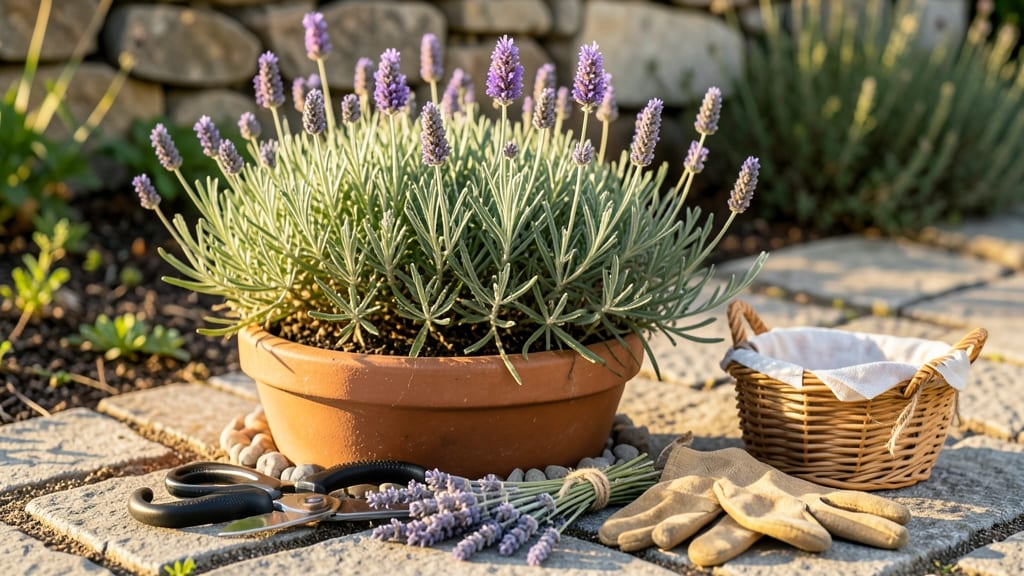
The best time to harvest lavender is when the buds are plump and purple but before they fully bloom 🌿—this stage locks in the highest oil content and fragrance.
Picture this: you’ve nurtured your lavender all season, and now the moment of truth arrives. One wrong cut, and you’re left with stems that smell weak or yield little oil. That’s why knowing the exact bud stage and seasonal cues is the key to a bounty of fragrant, high-quality lavender.
In General (USDA Zone 6 default), mid to late summer—typically July or August—is prime harvest time. But timing isn’t just about the month; it’s about the visual clues like bud color, stem firmness, and that signature sweet aroma when crushed.
Below, I’ll walk you through how to spot the perfect harvest moment, regional adjustments for earlier or later bloomers, and the tools you’ll need to preserve that peak quality from garden to bundle.

Lavender bud stage guide: when to harvest for maximum oil & fragrance
Timing your lavender harvest is an art that balances fragrance intensity and essential oil potency. Harvest too early, and you'll miss peak terpene production—the compounds that give lavender its signature scent.
Wait too long, and the buds lose their aromatic richness as they transition from bud to full bloom. The secret lies in catching those pre-flowering buds at their sweet spot.
Most lavender varieties reach their optimal harvest window when 50-75% of buds are open but haven't fully bloomed. This stage ensures maximum essential oil content, which peaks just before the flowers unfurl completely. Think of it as the golden hour for lavender—brief but packed with flavor and fragrance potential.
Here's the science behind it: Linalool and linalyl acetate—the primary compounds in lavender oil—reach their highest concentrations when buds are plump and purple but still tightly closed. Once flowers fully open, these compounds begin to degrade, reducing both aroma strength and oil yield by up to 30%.
To identify the perfect harvest moment, look for these visual cues:
- Bud color: Deep purple (not green or pale)
- Bud firmness: Slightly woody but still flexible
- Aroma test: Intense, sweet scent when crushed
Pro tip: Harvest on a dry, sunny morning after the dew has evaporated. This preserves oil quality and makes stems easier to handle. Avoid harvesting after rain or in high humidity, as moisture can dilute essential oils and promote mold growth.
For English lavender, aim to harvest when 20-30% of buds have opened—this variety tends to have a longer pre-flowering phase. French lavender, on the other hand, should be harvested when 50-60% of buds are open, as its buds develop more quickly. Spanish lavender follows similar timing to English but often produces slightly earlier in the season.
One common mistake is harvesting lavender at peak bloom when flowers are fully open. At this stage, the essential oil content drops significantly, and the scent becomes less sweet.
Overharvesting at this point can also weaken the plant, reducing next year's yield. Always leave at least one-third of the plant unharvested to maintain vigor.
After harvesting, bundle stems in small groups of 5-10 and hang them upside down in a well-ventilated, dry area. Full drying takes 2-3 weeks, but the buds should crumble easily when dry—this indicates proper curing.
Store dried lavender in airtight containers away from direct sunlight to preserve its aromatic compounds for up to a year.
Remember: Patience is key when harvesting lavender. Rushing the process or harvesting at the wrong stage can turn your fragrant bundles into bitter, low-quality stems. By mastering the pre-flowering stage and following these guidelines, you'll unlock lavender's full aromatic and medicinal potential. 🌿✂️💨
Seasonal harvesting calendar: Best Months by lavender variety (English, French, Spanish)
Timing your lavender harvest is an art—especially when you're growing English lavender, French lavender, or Spanish lavender, each with unique seasonal rhythms. The Northern Hemisphere typically enjoys peak harvests in July and August, while Southern Hemisphere growers should aim for January and February.
Regional microclimates can shift these windows by weeks, so always check your local frost dates.
Climate plays a huge role: Cooler coastal regions may see earlier blooms, while hot inland areas might delay harvests until late summer. For example, Provence (France) often harvests French lavender in late July, while California's Central Valley might extend into early September.
Adjust your schedule based on whether your lavender is an early bloomer or late-season variety.
English lavender (like 'Hidcote' or 'Munstead') typically blooms 2-3 weeks earlier than French lavender (such as 'Grosso' or 'Provence'). Spanish lavender (e.g., 'Papillon') often flowers 1-2 weeks later than English types. These differences matter—harvesting at the wrong time can mean bitter-tasting buds instead of fragrant, oil-rich stems.
| Variety | Northern Hemisphere (Best Months) | Southern Hemisphere (Best Months) | Key Harvest Cues |
|---|---|---|---|
| English Lavender | Late June - Early August | Late December - Early February | 50-75% open buds, woody stems |
| French Lavender | Mid-July - Late August | Early January - Mid-February | Purple buds, strong fragrance |
| Spanish Lavender | Early August - Early September | Mid-January - Mid-March | Tight flower clusters, flexible stems |
For early bloomers, start checking your lavender in late June (Northern Hemisphere) or December (Southern Hemisphere). Look for buds that are plump and purple—not yet fully open.
If you miss this window, wait until 75% of buds are open, but know that oil content drops sharply after full bloom. Pro tip: Harvest on a dry, sunny morning to preserve essential oils.
Adjust for high-altitude gardens (e.g., Colorado or the Andes), where harvests may occur 2-4 weeks later due to cooler temperatures. Conversely, low-desert regions (like Arizona or Spain's Murcia) might see earlier harvests.
Always prioritize dry weather—wet stems can mold and lose fragrance. If rain is forecasted, harvest 24-48 hours ahead of expected showers.
Once you've harvested, bundle stems and hang them in a dark, dry, well-ventilated space for 2-3 weeks to dry completely. Proper drying preserves up to 90% of the essential oils that make lavender so prized.
Whether you're growing English lavender for sachets or French lavender for culinary uses, nailing the harvest window ensures your efforts pay off with fragrant, high-quality stems all year round. 🌿✂️