
Picking
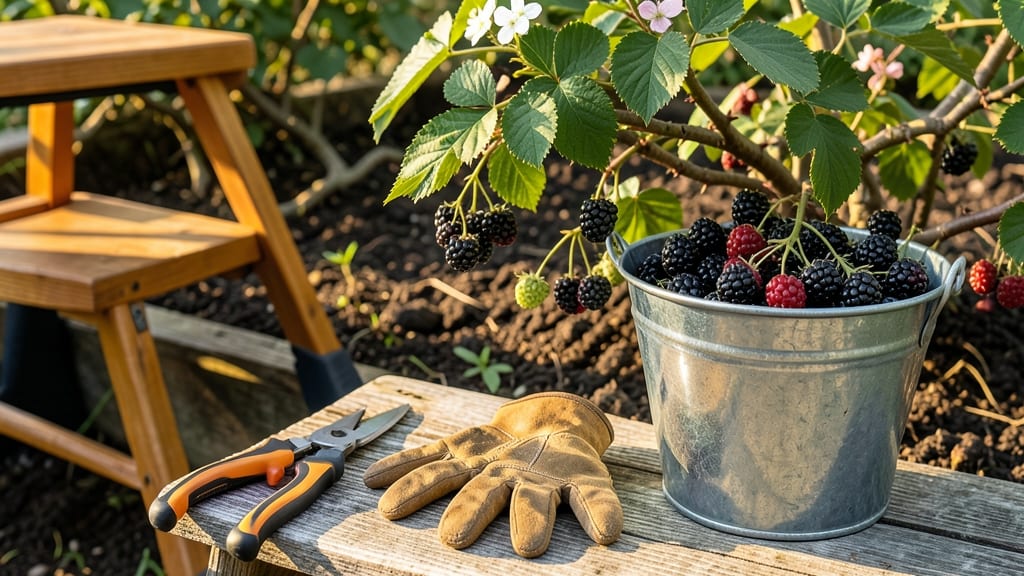
Summer marks the blackberry harvest season in the Northern Hemisphere 🫐—your chance to turn those glossy, deep purple clusters into jam, pies, or just fresh snacks—but only if you catch them at the perfect moment.
Summer in the Northern Hemisphere transforms blackberry bushes into treasure troves of sweet, juicy berries—but timing is everything. Miss the peak harvest window, and you’ll end up with underripe tartness or overripe mush instead of that perfect, rich flavor.
From early June in warmer zones to late August up north, the harvest season varies by region, variety, and even weather. The key to maximizing your yield? Knowing when those berries are truly ripe—and how to stretch that window as long as possible.
In this guide, I’ll break down the exact month-by-month harvest timeline for your area, the telltale signs of peak ripeness, and pro tips to keep your bushes producing well past the first flush. Let’s make sure you’re picking berries at their sweetest—and not a day too soon.


Blackberry harvest season timeline by Northern Hemisphere region
Timing your blackberry harvest depends entirely on your climate zone and the specific variety growing in your garden. In the Northern Hemisphere, harvests span from early June to late August, but the exact window shifts dramatically between regions.
Whether you're in the Pacific Northwest, the Southeastern US, or Southern Europe, knowing these regional patterns ensures you never miss peak flavor.
Early-season varieties like Cheyenne or Triple Crown often ripen first, while late-season Arapaho or Natchez varieties extend your harvest into September in warmer zones. Wild blackberries typically mature 2-3 weeks earlier than cultivated varieties, so timing adjustments are key.
Below, I’ve broken down the month-by-month harvest windows for major regions, including the US, Canada, and Europe.
In the Pacific Northwest, where cooler temperatures slow ripening, early June marks the start of harvest for varieties like Chester or Ouachita. By July, most bushes are in peak production, and late varieties like Arapaho won’t ripen until mid-August.
If you’re in Zone 7 or cooler, consider using row covers to extend the season by 2-3 weeks.
The Midwest offers a longer harvest window due to its hot summers. Early varieties like Triple Crown ripen in late June, but the real bounty arrives in July and August.
Late-season Natchez berries can linger until early September, provided you maintain consistent watering to combat drought stress. In Zone 5 or 6, a late frost can delay harvests, so monitor weather forecasts closely.
Gardeners in the Southeast enjoy the earliest harvests, with June often bringing ripe wild blackberries and early cultivars. However, the humid climate demands vigilance against fungal diseases like botrytis.
Peak harvest spans June through July, with late varieties like Black Satin ripening in late August. Prune aggressively in winter to improve airflow and reduce disease risk.
For Canadian growers, especially in British Columbia, the harvest window is tight. Early varieties like Chester ripen in late June, with peak production in July. Late varieties rarely make it past early August before cooler temperatures slow ripening.
To maximize yields, focus on cold-hardy varieties and protect plants from late spring frosts with frost cloth.
In Southern Europe, where summers are long and hot, blackberries thrive with extended harvest seasons. Early varieties like Loch Ness ripen in mid-June, but the
How to identify perfectly ripe blackberries for maximum flavor
Picking blackberries at their peak ripeness transforms a simple harvest into a flavor explosion. The difference between underripe tartness and perfectly sweet berries often comes down to knowing exactly when to pluck them. In the northern hemisphere summer, blackberries ripen quickly—sometimes in just 24-48 hours—so timing is everything.
Climate plays a huge role in ripening speed. Cooler summer nights in Zone 5-6 slow ripening, while hotter southern zones (7-10) can accelerate it. Even 10°F temperature swings between day and night affect sugar development.
That's why mastering visual and tactile cues becomes your secret weapon for harvesting berries at their absolute best.
- Color: Deep, uniform black/purple with no green stems showing
- Texture: Skin yields slightly when gently pressed (like ripe blueberries)
- Detachment: Berries separate easily with minimal twisting (no force needed)
- Juiciness: Juice runs clear when squeezed (not milky or cloudy)
- Taste Test: Sweet with 0% tartness when sampled (first berry = flavor guide)
Let me show you how to use these cues together. Start by examining the berry's color—true ripeness means 100% black with no green remnants. Then do the gentle squeeze test: press a berry between your thumb and index finger.
A ripe blackberry will give just slightly, like pressing a ripe peach. If it's rock-hard, it's underripe; if it's mushy, it's overripe.
Here's where climate comes into play: In hotter southern climates, blackberries may ripen in just 3-5 days after turning mostly black, while in cooler northern regions, they might need 7-10 days of full color before reaching peak flavor.
That's why I always check the taste of the first berry—if it's still tart, wait another day or two, even if the color looks good.
One pro tip I swear by: Harvest in the morning after dew dries (around 8-9 AM). Berries contain the most natural sugars and are firmer, making them easier to pick without bruising.
The cooler temperatures also slow sugar conversion, preserving that perfect balance of sweetness and acidity that makes blackberries so irresistible.
Remember this golden rule: Never harvest overripe berries—they'll ruin the flavor of your entire container. If you see birds pecking at your bushes, that's your cue to check ripeness immediately. Birds know exactly when blackberries reach peak sweetness, and they're not wrong! 🫐