
How To
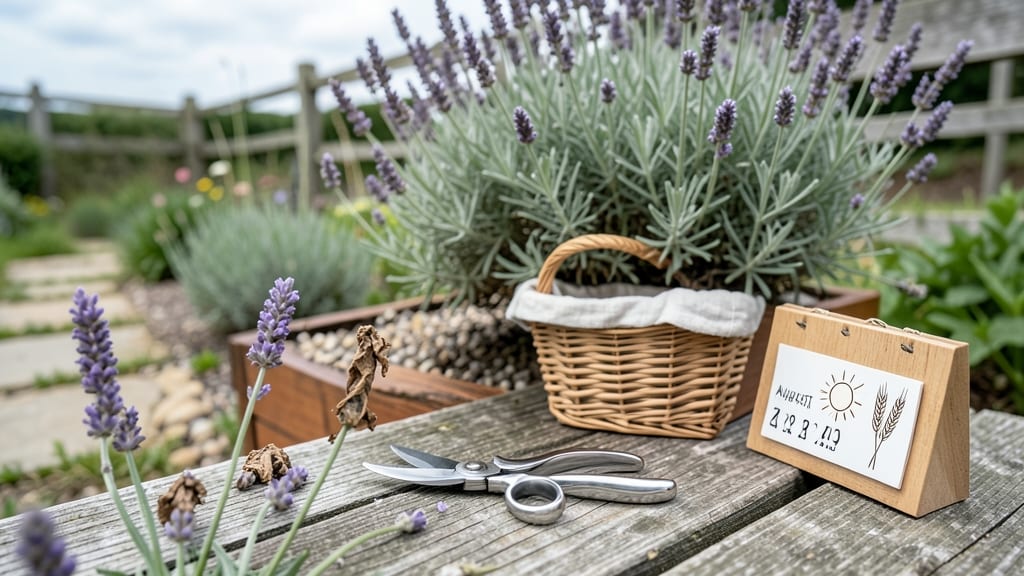
Knowing when it is too late to harvest lavender is crucial—harvesting when its buds are just beginning to open ensures the best fragrance and oil content, but timing is everything. Wait too long, and you’ll end up with brown, woody stems and lost flavor.
Picture this: you’ve waited all summer, and your 🌿 lavender is finally blooming—only to realize the buds are turning brown before you can harvest. That’s the moment you know you’ve missed the window, and the consequences aren’t just about wasted flowers.
The oil quality drops, the scent fades, and next year’s growth suffers. In USDA Zone 6, that window closes fast, usually between mid-July and early August, so knowing the exact cues can save your crop.
Most gardeners assume they have until the flowers fully open, but that’s when the magic fades. The key is catching those tiny buds—still firm, vibrant purple, and packed with essential oils—before they burst into bloom.
Miss this stage, and you’re left with stems that are too woody to dry properly or use in crafts, plus a plant that may struggle to rebloom next season.
Below, I’ll walk you through the three unmistakable signs you’ve waited too long, how to salvage what’s left, and the simple adjustments for hotter climates where the harvest window shrinks even faster. No more guesswork—just peak lavender, every time.


3 Key signs it’s too late to harvest lavender buds
Harvesting lavender at the wrong time can turn your fragrant buds into woody, flavorless stems—ruining both the essential oil quality and dried flower potency. The key is recognizing when buds have passed their prime.
I’ve seen lavender go from vibrant purple to dull brown overnight if left too long on the plant. The good news? You can still salvage it with the right techniques, but first, you need to spot these three critical signs of overripe lavender.
Lavender buds should be harvested when they’re just beginning to open, but if you miss this window, you’ll notice visual and physical changes that scream "too late!" The first clue is often the most obvious: a shift in bud color.
Fresh lavender buds are a deep, vibrant purple, but when they’re overripe, they turn a dull brown or even grayish. This color change signals that the plant’s oil content has degraded, making your harvest less aromatic and medicinally potent.
Here’s what you need to watch for—these three signs will help you avoid harvesting past the prime window and ensure your lavender stays fragrant and useful:
If you’ve missed the harvest window, don’t panic! Overripe lavender isn’t completely wasted—it just needs a different approach. For example, brown buds can still be dried and used in potpourri, though they won’t have the same potency as fresh ones.
The key is to act quickly: harvest the stems before they fully dry on the plant, as this preserves some of the remaining aromatic compounds. You can also trim back the plant to encourage new growth for next season’s harvest.
To avoid this in the future, I recommend setting a reminder for mid-to-late summer, depending on your climate. In USDA Zone 6, this is typically around July to early August.
Check your lavender every 2-3 days during this window—once the buds start opening, they’ll only stay fresh for about 24-48 hours before losing their peak quality. A quick pinch test (squeezing the bud gently) can also help you gauge readiness.
One common mistake I see is waiting until the lavender is fully bloomed. By then, the oil content has already started to decline, and the stems become too woody for ideal drying.
The ideal harvest stage is when the buds are plump and just beginning to open, like a tight little fist ready to bloom. At this stage, the stems are still flexible, and the fragrance is at its strongest—perfect for both culinary uses and essential oil extraction.
If you’re growing lavender in containers, keep an even closer eye on the buds, as potted plants can mature slightly faster than those in the ground. Container-grown lavender also benefits from regular pruning throughout the growing season, which encourages bushier growth and more buds for future harvests.
Just remember: prune after harvesting to avoid removing next year’s buds prematurely.
Another pro tip? Harvest in the morning after the dew has dried but before the heat of the day sets in. This ensures the buds are at their freshest and retain their maximum oil content.
Store harvested lavender in a paper bag (not plastic) in a cool, dry place for up to a week before drying. If you’re drying lavender for long-term use, hang the stems upside down in a dark, well-ventilated area for 2-3 weeks until the buds are completely dry and crumbly.
Finally, if you’re growing lavender for essential oils, timing is even more critical. The highest oil concentration occurs just before the buds fully open. Once the flowers bloom, the oil content drops significantly, and the stems become too fibrous for efficient extraction.
If you’ve missed the window, you can still distill the oil, but the yield and quality will be noticeably lower. For the best results, aim to harvest 3-4 times per season, spacing out your cuts to encourage continuous growth.
By keeping an eye out for these three key signs—color change, stem hardening, and fragrance loss—you’ll never miss the perfect harvest window again. And if you do, don’t stress: even overripe lavender has its uses, from dried arrangements to homemade lavender sachets. Happy harvesting! 🌿
Optimal harvesting window: when to pick for maximum oil and fragrance
Timing is everything when harvesting lavender for peak fragrance and essential oil potency. The ideal window occurs when buds are just beginning to open—typically mid-to-late summer—but before they fully bloom.
This precise stage ensures the highest concentration of volatile oils and vibrant color. Missing this window can lead to woody stems and diminished quality.
For most lavender varieties, this means harvesting between July and early August in USDA Zone 6. However, climate variations can shift this timeline. In hotter regions, harvest earlier to avoid bud browning from heat stress.
Conversely, cooler areas may extend the window into late summer. Always prioritize bud color and stem firmness over calendar dates.
To maximize essential oil yield, harvest on a dry morning after dew has evaporated. Use clean, sharp pruners to cut stems about 6 inches below the buds.
This encourages bushier growth and prevents stem browning. Avoid harvesting in humid conditions, as moisture can accelerate bud rot and reduce shelf life.
Seasonal adjustments are key. In hot climates, like Zone 9 or 10, lavender may mature faster—harvest as early as June to prevent bud desiccation. In cooler regions, such as Zone 5, wait until late July to ensure buds fully develop.
Always prioritize visual cues over rigid dates for the best results.
Pro tip: Bundle harvested stems and hang them upside down in a well-ventilated area to dry. This preserves fragrance intensity and prevents mold growth. Once dried, store buds in airtight containers away from direct sunlight to maintain their aromatic qualities for up to a year.
If you miss the optimal window, don’t panic—late harvests can still yield usable material, though with reduced oil content. Focus on drying techniques and repurposing dried lavender for crafts or potpourri. The key is acting quickly to salvage what you can before buds turn completely brown.