
Light Requirements
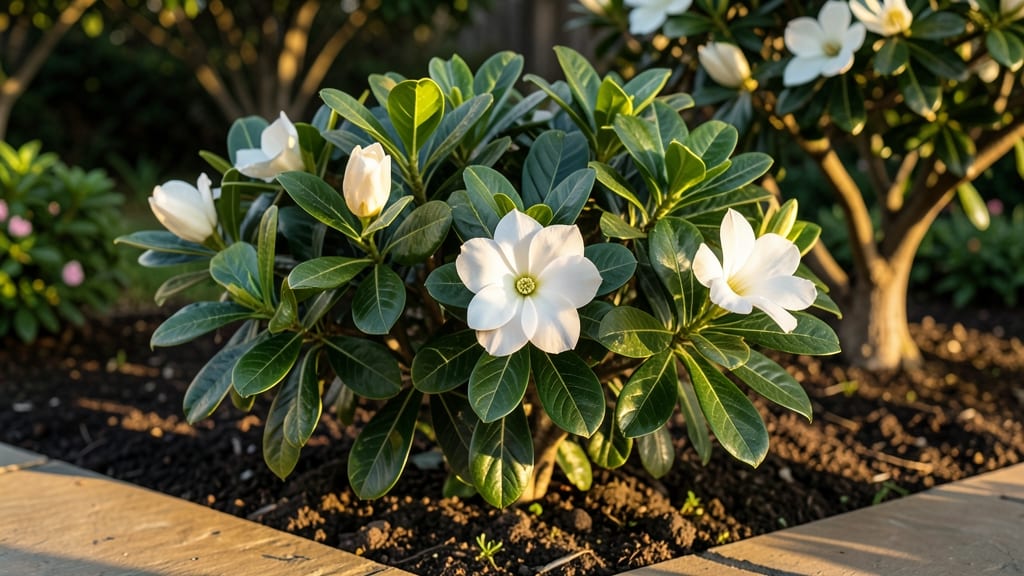
The August Beauty Gardenia's sun requirements demand partial shade—about 3 to 6 hours of morning light—because too much afternoon sun scorches its delicate blooms 🌸.
Struggling to keep your August Beauty Gardenia blooming year-round? The secret might be hiding in how much sun it really needs—partial shade isn’t just a preference, it’s a necessity for this prized variety.
This isn’t just about avoiding sunburn; the right light balance triggers those fragrant blooms from June through September. Too much sun? Buds drop before opening. Too little? You’ll get sparse, weak flowers—or none at all.
Below, I’ll show you how to dial in the perfect light mix for your climate, spot the warning signs of over- or under-exposure, and keep your Gardenia thriving even in August’s peak heat.

August Beauty Gardenia sun requirements: the ideal light balance for peak blooms
If you’ve ever watched your August Beauty Gardenia struggle with fewer blooms or yellowing leaves, the culprit might be its sunlight balance. Unlike sun-loving shrubs, this variety thrives in partial shade, where morning sun fuels growth while afternoon shade prevents stress.
Understanding this balance is key to unlocking those fragrant, creamy-white blooms year-round.
The August Beauty Gardenia isn’t just picky—it’s science-backed. Studies show that partial shade (3-6 hours of direct sun) maximizes photosynthesis efficiency while reducing leaf scorch and nutrient depletion.
Too much sun? Your plant will wilts under heat stress. Too little? It’ll stretch and lose vigor. Let’s break down the perfect light recipe for this showstopper.
🌸 August Beauty Gardenia Sun Requirements Summary
| Light Condition | Daily Sun Exposure | Best Time for Sun | Seasonal Adjustments |
|---|---|---|---|
| Ideal Light | 3–6 hours | Morning sun (6 AM–12 PM) | Summer: Filter afternoon sun |
| Minimum Tolerance | 2–3 hours | Dappled shade (e.g., tree canopy) | Winter: Increase to 4–5 hours |
| Maximum Tolerance | 6–8 hours | Morning sun + filtered afternoon | Avoid full sun in Zone 9+ |
| Signs of Too Much Sun | — | — | Brown leaf edges, crispy texture |
| Signs of Too Little Sun | — | — | Leggy growth, pale leaves, few blooms |
Morning sun is your August Beauty Gardenia’s best friend because it provides gentle, low-angle light that boosts photosynthesis without overheating leaves. Think of it like a sunrise yoga session—calm and energizing. Aim for 3–6 hours of morning light, then transition to dappled shade or filtered light by midday.
This mimics its natural habitat under tropical forest canopies, where it evolved to avoid harsh afternoon rays.
In summer months, when the sun is most intense, your gardenia may need afternoon shade protection. Use a sheer fabric screen or plant it near a decorative tree (like a Japanese maple) to diffuse light.
If you’re in Zone 9 or hotter, even 6 hours of full sun can cause leaf scorch. Watch for brown, papery edges—that’s your plant screaming for shade!
Winter is the time to adjust your gardenia’s light exposure. With shorter daylight hours, it can handle (and even benefit from) 4–5 hours of morning sun. This extra light helps it build energy reserves for spring blooming.
If your gardenia is indoors, rotate it weekly to ensure even light exposure and prevent one-sided growth. A south-facing window with a light sheer curtain works well.
Recognizing light stress early can save your gardenia from long-term damage. Too much sun causes <
How to adjust sunlight for August Beauty gardenias in different climates
Your August Beauty Gardenia thrives in partial shade, but the exact sunlight balance depends on where you live. In tropical climates, afternoon sun can be brutal, while Mediterranean zones need afternoon shade to prevent leaf scorch.
The key is creating a microclimate that mimics its natural habitat—bright mornings with gentle afternoon shade.
For temperate zones, morning sun paired with afternoon shade works perfectly. If you're transitioning your plant from full sun to partial shade, do it gradually over 2-3 weeks to avoid shocking the foliage.
Sudden changes can cause leaf drop or stunted blooms, which is especially critical during the summer blooming season.
Adjusting Sunlight for August Beauty Gardenias
Tropical Climates
- Pros: Year-round growth
- Cons: High humidity risks fungal issues
Solution: Use 50% sheer curtains on west-facing windows or plant near east-facing walls.
Temperate Climates
- Pros: Ideal morning sun for blooms
- Cons: Afternoon sun can scorch leaves
Solution: Plant under deciduous trees or use lattice screens for adjustable shade.
Mediterranean Climates
- Pros: Mild winters extend growing season
- Cons: Intense summer sun
Solution: Create dappled shade with bamboo screens or trellises.
In Mediterranean climates, where summers are hot and dry, your August Beauty Gardenia will appreciate afternoon shade to prevent leaf burn. Use bamboo screens or lattice panels to filter sunlight while allowing airflow.
For container gardeners, move pots to shadier spots during peak afternoon heat (typically 12 PM–4 PM).
If your gardenia is in full sun and you notice yellowing leaves or drooping blooms, it’s time to adjust. Gradually reduce exposure by 1 hour per day until it reaches 3-6 hours of morning sun. Pair this with mulching to retain moisture and protect roots from temperature swings.
For urban gardeners with limited space, east-facing windows are ideal. If your balcony faces west, install adjustable sheer curtains to block harsh afternoon rays. In container gardens, rotate pots weekly to ensure even light exposure—this prevents lopsided growth and maximizes blooms.
Remember, the August Beauty Gardenia rewards patience. With the right sunlight adjustments, you’ll enjoy fragrant blooms from June through September, even in challenging climates. Start small, monitor your plant’s response, and tweak as needed—your gardenia will thank you with vibrant, long-lasting flowers.