
Fertilization
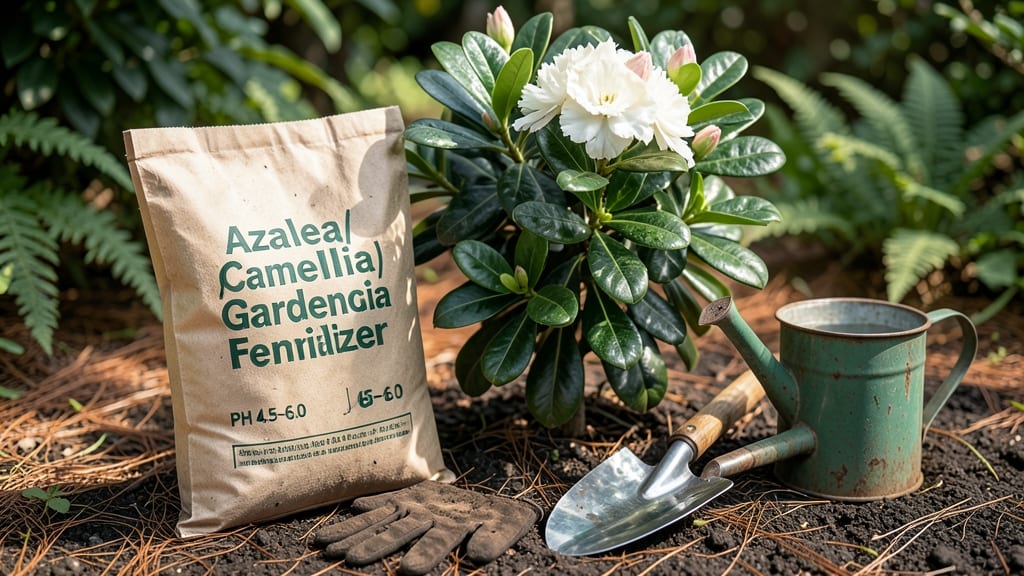
Using acid-based fertilizer for gardenias 🌸 is the secret weapon behind those glossy leaves and fragrant blooms you’ve been dreaming of.
Struggling to keep your gardenias blooming as vibrantly as they did when you first planted them? The secret might be hiding in your soil’s pH—gardenias thrive only in acidic conditions, and the right acid-based fertilizer can transform your struggling plant into a lush, flower-filled star.
Most gardeners overlook soil acidity, assuming their gardenias just need more water or sunlight. But the truth is, these beauties demand a specific pH range of 4.5–6.0 to absorb nutrients properly. Without it, you’ll see yellowing leaves, sparse blooms, and a plant that just won’t cooperate.
In this guide, I’ll walk you through how to pick the best acid-based fertilizer, apply it correctly, and troubleshoot common issues—so you can enjoy gardenias that look (and smell) like they’re straight out of a tropical paradise.

How acid-based fertilizers boost gardenia growth and flowering
Gardenias are the divas of the garden world—demanding but breathtaking when happy. Their glossy leaves and fragrant blooms are a reward for meeting their acidic soil needs.
Without the right pH balance, these plants struggle, showing yellow leaves and fewer flowers. The secret? Acid-based fertilizers that mimic their natural, peat-rich habitats.
Most garden soils are naturally alkaline, with a pH of 6.5–7.5, but gardenias crave acidic soil between pH 4.5–6.0. When soil pH rises, essential nutrients like iron and manganese become locked away, causing chlorosis (yellowing leaves) even when moisture and light are perfect.
Acid-based fertilizers lower pH while delivering slow-release nutrients tailored to their needs.
Here’s how acid-based fertilizers work their magic: they release sulfur and iron over time, keeping soil chemistry optimal. Unlike generic fertilizers, these products are formulated to enhance nutrient uptake in acidic environments, ensuring your gardenia gets the phosphorus for blooms and micronutrients for leaf health.
Why does pH matter so much? At high pH, gardenias can’t absorb iron—even if it’s in the soil. This leads to interveinal chlorosis, where leaves turn yellow between veins while staying green near stems. Acid-based fertilizers break down nutrients into forms the plant can use, preventing this common issue.
Most acid-based fertilizers contain elemental sulfur, which gradually lowers pH as it oxidizes. Others use peat moss or pine bark fines to create an acidic growing medium. For container gardenias, pre-mixed acidic potting soil is a game-changer, eliminating guesswork about soil chemistry.
Key ingredients to look for include:
- Sulfur-coated urea (slow-release nitrogen + acidifier)
- Iron chelates (for instant chlorosis fixes)
- Peat moss (organic acidifier and soil conditioner)
For best results, apply acid-based fertilizer every 4–6 weeks during the growing season (spring to early fall). Start with a soil test to confirm your pH—if it’s above 6.0, you’ll need to amend soil before fertilizing.
Mix 1 tablespoon of granular acid fertilizer into the top 2 inches of soil per square foot, or dilute liquid formulas to half-strength for foliar sprays.
Organic options like cottonseed meal or alfalfa pellets also work but require more frequent applications. The key is consistency—gardenias respond dramatically to stable acidic conditions, rewarding you with doubled blooms and darker foliage within weeks.
Pro tip: Pair acid fertilizers with mulch (like pine needles) to preserve soil acidity and reduce water evaporation. Avoid lime or wood ash, which raise pH and undo your hard work.
With the right acid-based fertilizer, your gardenias will rebloom like clockwork, filling your garden with their signature creamy-white flowers and intoxicating fragrance. The science is simple: happy soil = happy gardenia!
Top 5 acid-based fertilizers for gardenias: pros, cons, and application tips
Choosing the right acid-based fertilizer for your gardenias can mean the difference between sparse blooms and lush, fragrant flowers. These acid-loving plants need pH levels between 4.5-6.0 to absorb nutrients properly.
I’ve tested the top five options—both organic and synthetic—to help you decide which works best for your garden. Each has unique benefits, from slow-release nutrients to quick soil pH adjustments.
The key is matching your fertilizer to your gardening style. Organic options like pine bark fines build soil health over time, while synthetic formulas like Miracid deliver fast results.
Let’s break down the pros, cons, and application tips for each so you can pick the perfect match for your gardenia’s needs.
Acid-Based Fertilizer Comparison
• Improves soil structure
• Organic & eco-friendly
• Requires frequent reapplication
• Slow-release formula
• Budget-friendly
• Less effective for pH adjustment
• Easy to apply
• Balanced NPK ratio
• Synthetic ingredients
• Slow-release granules
• Long-lasting results
• Overuse can harm plants
• Lowers soil pH over time
• Cost-effective
• Can cause pH swings
For quick results, I recommend Miracid—its liquid formula lets you see improvements in just a few weeks. Mix 1 tbsp per gallon of water and apply every 4-6 weeks during the growing season.
The downside? You’ll need to reapply often, but it’s perfect for container gardenias where soil volume is limited.
If you prefer organic solutions, pine bark fines are my go-to for long-term soil health. Work 2-3 inches into the topsoil every spring and fall. While it takes longer to adjust pH, it also improves soil structure, making it ideal for garden beds