
Vegetables
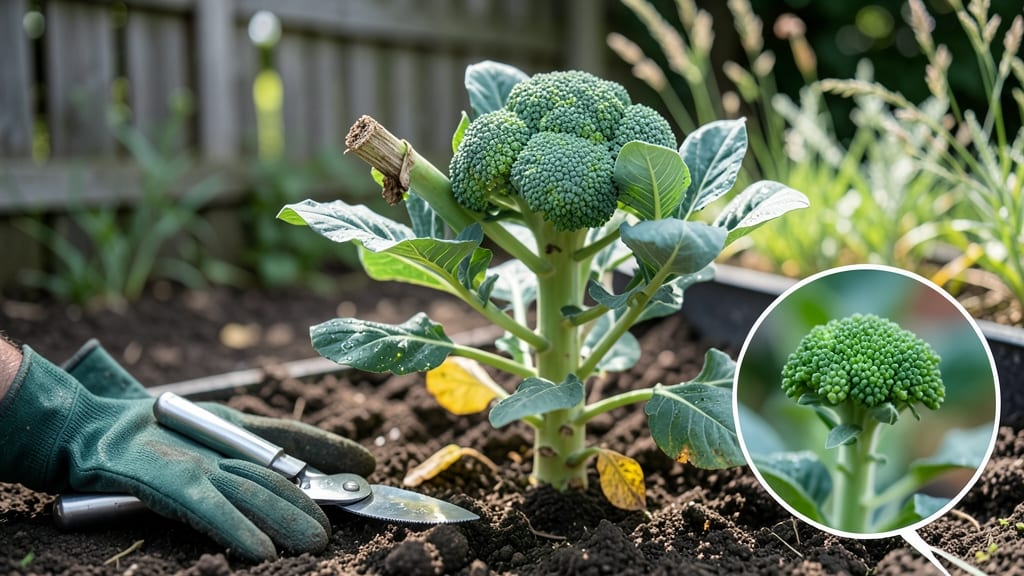
Harvesting broccoli and wondering if it grows back is a question every gardener asks—because the answer isn’t just "yes" or "no."
Cut the main head too late, and you’ll be left with a sad, spindly plant. But time it right, and you’ll unlock the cut-and-come-again method, turning one harvest into three or more over the season.
The key? Knowing when to snip and how to coax those side shoots into action.
Broccoli like 'Calabrese' is famous for this trick, but even regular varieties can regrow if you follow a few simple rules. I’ve tested the timing, spacing, and care tricks that make the difference between a single harvest and a bounty.
Below, I’ll walk you through the exact steps—from when to cut the first head to how to prune side shoots for maximum yield—so you can keep your 🥦 plant producing all season long.


How the cut-and-come-again method works for broccoli regrowth
The cut-and-come-again method transforms a single broccoli plant into a multi-harvest powerhouse. After removing the main head, the plant redirects energy to side shoots along the stem, producing smaller but edible florets.
This technique relies on the plant's natural ability to regenerate when given proper care, including sunlight, water, and nutrients.
Broccoli plants are cool-season crops, thriving in temperatures between 45°F and 75°F. When the main head is harvested, the plant enters a secondary growth phase, producing side shoots that mature in 4-6 weeks.
The key is timing—harvesting too early or too late can stunt regrowth or attract pests.
Not all broccoli varieties excel at regrowth. Calabrese and De Cicco varieties are top performers, producing 3-5 side shoots per plant. Dwarf varieties like Calabrese are ideal for containers, while larger types need 12-18 inches of spacing to support multiple harvests.
Sunlight is the #1 driver of regrowth. Broccoli needs 6+ hours of direct sun daily to produce energy for new shoots. Without enough light, side shoots will be small, sparse, or bitter. Pair this with consistent moisture—drought stress halts growth, while soggy soil invites rot.
Nutrients play a critical role too. After harvesting the main head, feed your plant with a balanced fertilizer (10-10-10) to replenish nutrients. Focus on nitrogen for leafy growth and potassium for root strength. Organic options like compost tea or fish emulsion work well.
Here’s how the cut-and-come-again process works step-by-step:
- Step 1: Harvest the main head when florets are tight and green (4-6 inches wide). Cut the stem 1-2 inches below the head with a clean knife.
- Step 2: Leave the lower leaves intact—they photosynthesize to fuel regrowth. Remove only yellow or damaged leaves.
- Step 3: Wait 3-5 days for the plant to recover. Look for new shoots emerging from leaf axils (where leaves meet the stem).
- Step 4: Harvest side shoots when they reach 2-3 inches wide. Cut them at the base with the stem to avoid damaging the main plant.
- Step 5: Repeat the process for 4-6 weeks, or until shoots become small and bitter or the plant bolts (sends up a flower stalk).
The first side shoots appear 2-3 weeks after harvesting the main head. These are the most flavorful and largest, but subsequent shoots will be smaller. To maximize yield, prioritize harvesting younger side shoots—they regenerate faster than mature ones.
Watch for heat stress in summer. Temperatures above 80°F cause broccoli to bolt (flower prematurely), ending regrowth. If this happens, harvest remaining shoots quickly and plant a fall crop instead.
With the right care, a single broccoli plant can yield 3-5 harvests over 8-12 weeks. The secret? Patience and precision—cut at the right time, feed the plant, and let it thrive in full sun. Your garden (and taste buds) will thank you!
Step-by-step guide: harvesting broccoli for multiple harvests
Broccoli plants can absolutely regrow after harvesting the main head—if you follow the cut-and-come-again method correctly. The key is timing: harvest the primary floret when it’s 4-6 inches wide and tightly closed, leaving at least 3-4 inches of stem attached.
This stem holds the energy to produce side shoots for 2-3 additional harvests.
After cutting the main head, focus on nurturing the plant’s remaining energy. Side shoots will emerge from the axillary buds (leaf junctions) along the stem. These shoots need consistent sunlight and nutrient-rich soil to thrive. Without proper care, the plant may divert energy to seed production instead of regrowth.
🚨 CRITICAL: Never harvest a side shoot that’s smaller than 2 inches—it won’t regenerate. Wait until it’s compact and vibrant green, just like the main head. Patience here determines your second harvest’s success.
| Regrowth Stage | Action Required | Visual Cue |
|---|---|---|
| Main Head Harvest | Cut 1 inch below the head, leaving stem intact | 🟢 Tight florets, no yellowing |
| Side Shoot Emergence | Water deeply, fertilize with 10-10-10 | 🌱 Small buds at leaf junctions |
| Side Shoot Harvest | Cut 2 inches below the shoot, avoid over-pruning | ✅ 2+ inches wide, firm stalks |
| Spent Stem | Remove yellow/brown stems to redirect energy | 💀 Wilted leaves, no new growth |
Post-harvest care is non-negotiable for regrowth. Within 24 hours of cutting the main head, apply a balanced fertilizer (10-10-10) and water deeply to 1-1.5 inches of soil. Mulch around the base to retain moisture and prevent weeds from competing for nutrients. Calabrese and Packman varieties regrow best with this method.
Watch for pests like cabbage worms or diseases like clubroot, which can stress the plant. Use neem oil or row covers to protect side shoots. If the plant bolts (sends up a tall flower stalk), it’s past its regrowth potential—harvest any remaining side shoots immediately and compost the plant.
With proper care, a single broccoli plant can yield 3-4 harvests over 6-8 weeks. The secret? Timing, nutrients, and patience. Start with the main head, nurture the side shoots, and repeat—your garden (and dinner table) will thank you.