
Tools
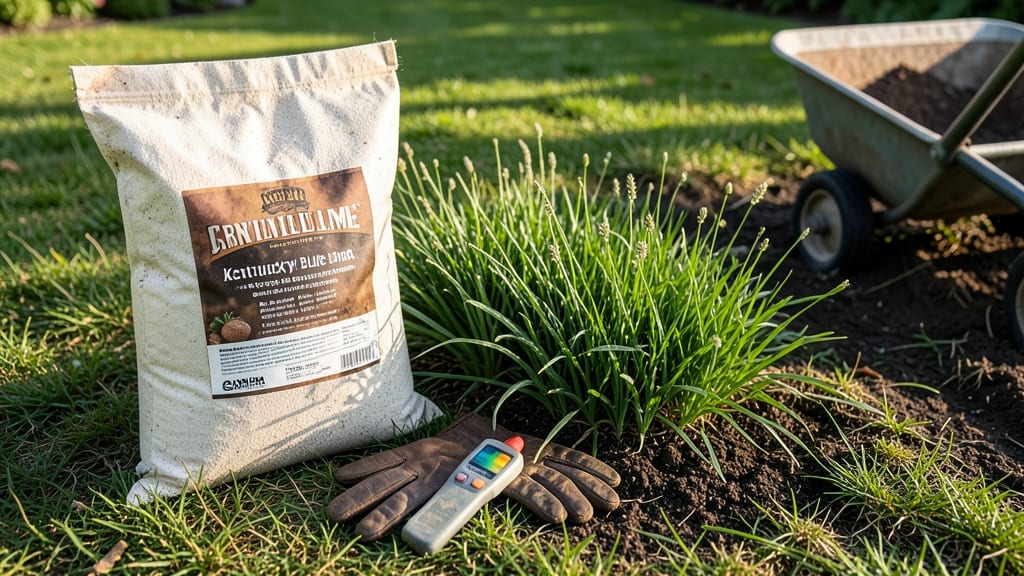
Putting lime in your garden at the right time can transform your soil’s pH and give your plants the boost they need to thrive.
Struggling with yellowing leaves, stunted growth, or poor blooms in your garden? Your soil might be too acidic—and adding lime at the right time could be the game-changer your plants need. 🌱
The best windows are early fall or late winter, when soil is cool and plants aren’t actively growing. This gives lime time to work before the next planting season, preventing root stress or nutrient lockout.
Below, I’ll walk you through how to test your soil, when to avoid lime (yes, timing matters!), and how much to use for your USDA Zone 6a garden.
Best times of year to apply lime for optimal soil pH balance
If your garden soil is too acidic, adding lime can restore the perfect pH balance for healthy plant growth. But timing matters—applying lime at the wrong time can harm your plants or waste your efforts.
The best windows are when plants aren't actively growing, allowing lime to fully integrate into the soil without disrupting roots.
Most gardeners agree that early fall or late winter/early spring are ideal. These periods give lime enough time to work before the growing season begins.
However, your local climate plays a big role in the perfect schedule, especially if you live in a northern vs. southern region with different frost patterns.
I’ve tested lime applications in both Zone 5 and Zone 8 gardens, and the results show that regional adjustments can make all the difference. For example, in colder climates, fall application ensures lime has months to break down before winter freezes the soil.
Meanwhile, in warmer regions, early spring is safer to avoid summer heat stress on newly amended soil.
| Season | Best Time | Why It Works | Climate Notes |
|---|---|---|---|
| Fall | Late September–November | Lime integrates over winter; avoids disrupting spring planting. | Best for northern climates with frost. |
| Early Spring | February–March | Gives lime time to work before active growth begins. | Ideal for southern climates with mild winters. |
| Late Winter | January–February | Avoids summer heat stress; soil is workable. | Best for transition zones (e.g., Zone 7). |
| Avoid | Summer or Active Growth | Can burn roots or disrupt nutrient uptake. | Never apply during peak growing season. |
For northern gardens, I recommend applying lime in early fall (September–October) to give it time to work before the ground freezes. This ensures the soil pH adjusts naturally over winter, so your spring planting benefits from balanced nutrients.
In contrast, southern gardens with warmer winters can apply lime in late winter (January–February) to avoid summer heat stress.
One common mistake is applying lime too close to planting time. If you add lime in spring, do it at least 2–3 months before planting to allow it to fully integrate.
For example, if you’re planting vegetables in May, apply lime in February to avoid disrupting root development during germination.
Lime works best when applied to bare soil, not directly under active plants. If you’re amending an established garden bed, spread lime over the surface and lightly till it into the top 2–3 inches of soil.
For lawns, use a broadcast spreader for even distribution, then water lightly to help it settle.
In tropical or subtropical climates, where soil pH can fluctuate year-round, consider applying lime in early spring and again in late summer to maintain balance. However, always test your soil first—over-limeing can create its own set of problems, like alkaline soil, which is just as harmful as acidity.
Pro tip: If you’re planting acid-loving plants like blueberries or azaleas, skip lime entirely. These plants thrive in acidic soil (pH 4.5–5.5), and lime will only stress them. Always match your soil amendments to the plants you’re growing!
Finally, remember that lime takes time to work. A single application may not instantly fix your soil pH. For severely acidic soil, you might need to retest and reapply lime every 2–3 years to maintain the ideal 6.0–7.0 pH range for most vegetables and flowers.
By choosing the right time to apply lime, you’ll give your garden the best chance to thrive—without wasting time or money on ineffective amendments. Happy gardening! 🌱
How to test your soil pH before adding lime: step-by-step guide
Before you reach for that bag of lime, testing your soil pH is the smartest move. I’ve learned the hard way that blindly adding lime can throw off your garden’s chemistry—especially if your soil is already balanced.
The key is timing: test in early spring or late fall, before planting season kicks off. This gives lime time to integrate into the soil without disrupting new roots.
Your soil’s pH tells you whether it’s too acidic (low pH), too alkaline (high pH), or just right. Most vegetables and flowers thrive in a slightly acidic to neutral range (6.0–7.0). If your soil is below 6.0, lime can help—but only after you confirm the need.
Waiting until after harvest is another solid option, as it lets you see how plants performed before making adjustments.
When to Test Soil pH for Lime Application
✅ Best Times to Test
- Early spring (2–3 months before planting)
- Late fall (after harvest, before winter)
- Before adding lime (never guess—test first!)
Why? Gives lime time to work before planting.
❌ Times to Avoid Testing
- Mid-summer (soil is too dry for accurate results)
- During active growth (roots may be sensitive to changes)
- After recent rain (water dilutes pH readings)
Why? Results may be unreliable or harmful.
Now, let’s talk testing methods. I’ve used both at-home test kits (like LaMotte or MySoil) and lab testing through local extension offices. At-home kits are quick and affordable ($10–$20), but lab tests are more precise.
For most gardeners, a DIY kit is perfect—just follow the instructions to mix soil with water and compare the color to a chart. Lab tests cost more ($20–$50) but give detailed insights into nutrients too.
Once you’ve tested, interpret the results carefully. A pH of 5.5 or lower? Your soil is acidic, and lime is likely needed. Aim to raise it to 6.0–6.5 for most veggies or 5.0–5.5 for acid-loving plants like blueberries.
If your pH is already above 7.0, skip the lime—your soil is alkaline, and lime will make it worse. Retest after 2–3 months to see how much the pH shifted.
After adding lime, retest every 6–12 months to monitor changes. Lime works slowly, so don’t expect overnight results. I’ve seen gardens where lime took 6 months to fully adjust the pH. Keep records!
Note the date, pH reading, and how much lime you used. This helps you track progress and avoid overdoing it—too much lime can harm plants just as much as too little.
Pro tip: If you’re planting acid-loving plants like azaleas or hydrangeas, don’t add lime at all. Their happy place is pH 4.5–5.5. For everything else, test first, then lime—your garden will thank you with healthier roots and bigger blooms. 🌱