
Planting
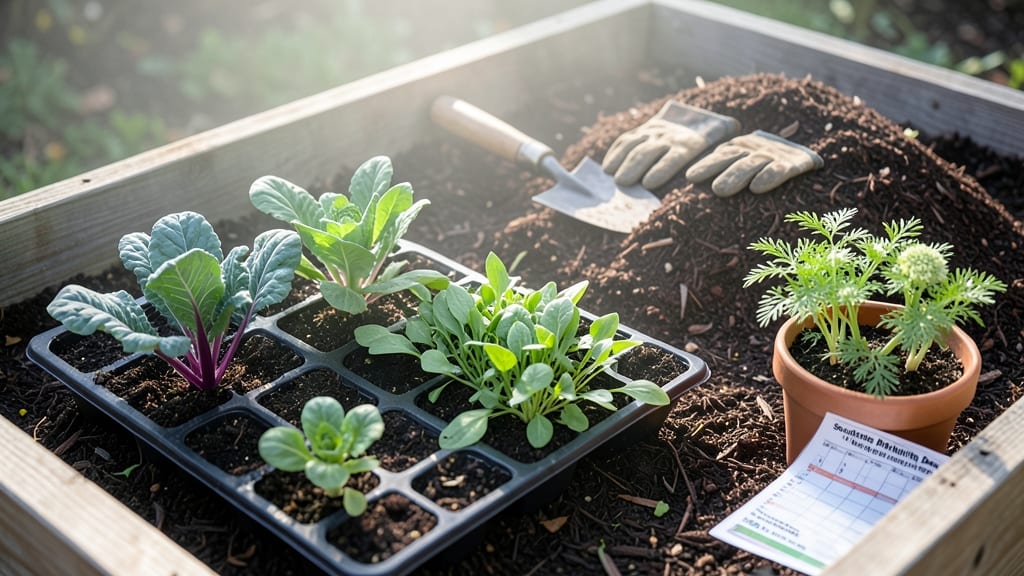
Planting a vegetable garden in Seattle means timing your crops to dodge late frosts and embrace the cool, wet spring—a window that opens around March 15 and closes by early June.
Seattle’s unpredictable weather can turn a gardener’s dream into a guessing game—plant too early, and frost will strike; too late, and your harvest suffers. But with the right timing, you can grow a thriving 🥬 vegetable garden that beats the Pacific Northwest’s climate challenges.
This isn’t just about avoiding frost—it’s about matching crops to Seattle’s short but productive growing season. Cool-season veggies like kale and spinach thrive in early spring, while tomatoes and peppers need a later start to avoid chilly surprises.
Below, I’ll break down the exact month-by-month schedule for Seattle’s USDA Zone 8a, including soil prep tips, frost-proofing hacks, and how to stretch your harvest into fall.
Seattle’s best planting calendar: cool-season vegetables by month
Seattle’s cool, wet springs and mild falls make it perfect for growing cool-season vegetables. Unlike warmer climates, we can extend our harvests by planting in both early spring (March-May) and late summer (August-November).
The key? Timing your plantings around Seattle’s average last frost date of March 15 and first frost date of November 15.
For spring plantings, start seeds indoors 4-6 weeks before your target outdoor date, or sow directly into the garden 2-4 weeks before the last frost. In fall, aim to plant 6-8 weeks before the first frost to ensure a full harvest.
These windows maximize your garden’s potential while avoiding frost damage or bolting (when plants flower prematurely).
Seattle’s USDA Zone 8a climate means we can grow hardy cool-season crops like kale, spinach, carrots, and peas year-round with proper planning. Below, I’ve broken down the best planting months for each crop, along with soil prep tips to set you up for success.
| Month | Cool-Season Crops | Soil Prep | Planting Tip | Harvest Window |
|---|---|---|---|---|
| March | Peas, Spinach, Lettuce, Kale, Carrots | Test soil pH (6.0-7.0), add compost | Direct sow after last frost risk passes | April - June |
| April | Broccoli, Cabbage, Radishes, Swiss Chard | Mulch to retain moisture | Start succession plantings every 2 weeks | May - July |
| May | Beets, Turnips, Arugula, Green Onions | Avoid over-fertilizing with nitrogen | Thin seedlings to prevent crowding | June - August |
| August | Kale, Spinach, Lettuce, Peas, Carrots | Add aged compost for nutrients | Use row covers for frost protection | September - November |
| September | Broccoli, Cabbage, Radishes, Swiss Chard | Test soil again for fall adjustments | Plant cold-hardy varieties for late harvests | October - December |
| October | Spinach, Kale, Green Onions, Peas | Mulch heavily to protect roots | Harvest before hard frosts hit | November |
Let’s dive into March plantings, when Seattle’s soil finally warms enough for cool-season crops. Start with hardy greens like kale and spinach, which can handle light frosts. For carrots and peas, sow seeds directly into well-drained soil—these crops hate being transplanted.
Amend your soil with compost or aged manure to improve fertility, and consider adding a balanced fertilizer (like 10-10-10) to encourage strong root growth.
In April, focus on broccoli and cabbage, which thrive in cooler temperatures. These brassicas need consistent moisture, so water deeply 2-3 times per week unless rain is plentiful. Mulch around plants to retain moisture and suppress weeds.
If you’re short on space, try bush varieties like ‘Blue Lake’ peas or ‘Baby Leaf’ lettuce, which mature quickly and won’t overw
Heat-loving vegetables for Seattle: when and how to swap for summer success
Seattle’s cool summers can leave gardeners craving sun-worshipping crops like tomatoes, peppers, and cucumbers. While these heat-lovers thrive in warmer climates, Seattle’s USDA Zone 8a and microclimates (like urban heat islands) can still support them with the right strategies.
The key? Timing and protection—starting seeds indoors 6-8 weeks before your last frost (March 15) and using tools to extend the season.
For tomatoes and peppers, aim to transplant outdoors 2-3 weeks after your last frost date, typically late April to early May. Cucumbers, which are less frost-tolerant, should go in after soil temperatures hit 60°F (usually mid-May).
But Seattle’s cool, damp summers can stunt growth—so plan for season extension tactics like row covers or containers.
🌱 PROS-CONS BOX: Heat-Loving Crops in Seattle
To beat Seattle’s unpredictable summers, start with container gardening. Tomatoes and peppers thrive in 5-gallon pots with well-draining soil, allowing you to move them to sunnier spots or bring them indoors during cool snaps.
Add a black plastic mulch to warm soil faster and reduce weeds. For cucumbers, trellis them to improve air circulation and cut disease risk.
Use row covers or cold frames to protect young plants from late frosts (which can hit as late as June in Seattle). A floating row cover lifts slightly above plants, trapping heat while allowing sunlight.
For extra warmth, plant near south-facing walls or dark-colored containers, which absorb heat. Dwarf varieties like ‘Tiny Tim’ tomatoes or ‘Lunchbox’ peppers are ideal for containers and cooler conditions.
Monitor soil temperatures—heat-loving crops need 60°F+ for roots. Use a soil thermometer to check before planting. If your garden runs cool, try black plastic mulch or straw to raise temperatures. Water consistently (1-2 inches per week) but avoid wetting leaves to prevent fungal diseases like blight.
Mulch with straw or wood chips to retain moisture and regulate soil temps.
For a second harvest, start a fall crop in late July using fast-maturing varieties like ‘Early Girl’ tomatoes or ‘Sweet Banana’ peppers. Use row covers again to extend the season into October.
With these strategies, you can enjoy homegrown tomatoes, spicy peppers, and crisp cucumbers—even in Seattle’s cool, damp summers! ☀️🌱