
Planting
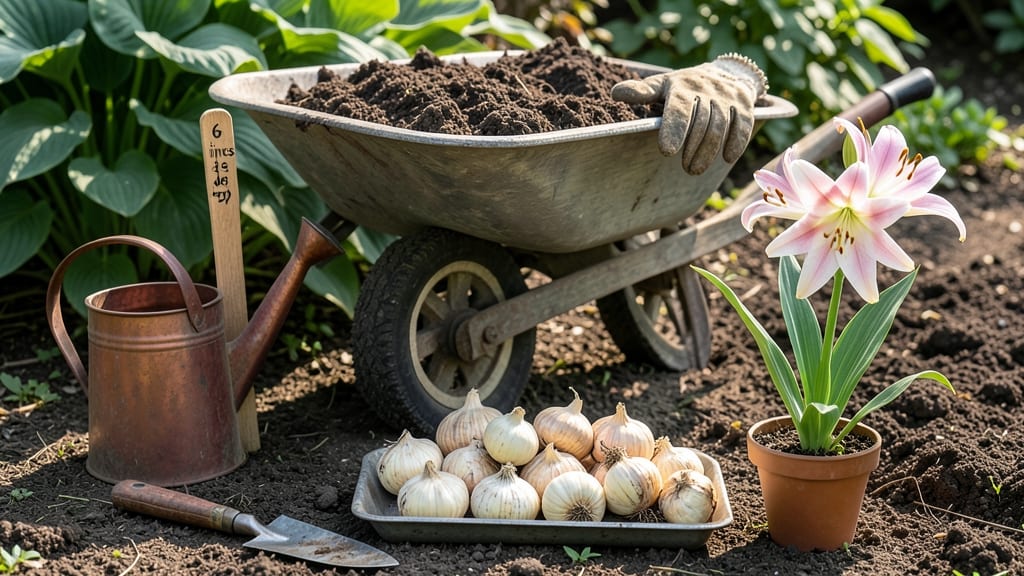
Planting lily bulbs in the garden at the right time ensures vibrant blooms and strong roots, and the best window depends on your climate zone.
Picture this: you’ve dug the hole, the soil is perfect, and then—your lilies 🌸 refuse to bloom. That’s what happens when timing goes wrong. Too early, and frost zaps the roots; too late, and summer heat arrives before the flowers even think about opening.
Most gardeners in USDA Zone 6a (like me!) plant theirs in early spring after the last frost or in fall, about 6-8 weeks before frost.
But if you’re in a warmer zone, like 8 or 9, the rules shift—spring planting becomes your only shot to avoid wilting before blooms even appear.
Below, I’ll break down the exact months for your zone, how to tell if your soil is truly ready, and even how to trick your lilies into blooming earlier if you’re eager to see those showstopping flowers.
Best planting months for lily bulbs by USDA Zone
Planting lily bulbs at the right time ensures strong root growth before winter dormancy or summer heat. In cooler USDA Zones 3-6, fall planting is ideal, while warmer Zones 7-10 favor early spring or even winter planting.
The key is giving bulbs 6-8 weeks to establish roots before extreme temperatures arrive.
Lilies thrive when planted in well-draining soil with 6+ hours of sunlight. Whether you're in Zone 4 with harsh winters or Zone 9 with mild winters, timing matters. Let's break it down by zone to help you avoid common mistakes like planting too early or late.
Here’s a quick reference for optimal planting windows by USDA zone, including regional adjustments for early or late seasons:
| USDA Zone | Best Planting Time | Key Considerations | Regional Adjustments |
|---|---|---|---|
| 3-4 | Late August to September | Plant 6-8 weeks before first frost (typically mid-October). Bulbs need time to root before sub-zero temps. | Northern Zone 3: Add 4-6 inches of mulch after planting to insulate bulbs. |
| 5-6 | Mid-September to October | Aim for soil temps between 50-60°F. Avoid planting if frost is imminent. | Upper Midwest: Plant Asiatic lilies earlier (late August) for earlier blooms. |
| 7-8 | November to January | Winter planting works in mild climates. Soil shouldn’t freeze—ideal temps are 40-50°F. | Southern Zone 7: Plant Oriental lilies in winter (Dec-Feb) for summer blooms. |
| 9-10 | January to March | Plant in cool winter months to avoid summer heat stress. Spring planting is also safe. | California: Spring planting (March) avoids summer drought stress. |
In USDA Zones 3-6, I always plant my lily bulbs in fall—typically 6-8 weeks before the first frost. This gives roots time to establish before winter dormancy. For example, in Zone 5, I aim for mid-September planting to ensure bulbs are settled before sub-freezing temps arrive.
For Zones 7-10, winter planting is a game-changer. The cooler months mimic natural dormancy periods, and bulbs wake up refreshed in spring. In Zone 9, I’ve had great success planting Oriental lilies in January—they bloom beautifully by summer without stress.
Regional microclimates can shift planting windows by 2-4 weeks. For instance, coastal areas in Zone 8 might plant in late winter (Feb-March), while inland regions may wait until April. Always check your last frost date and adjust accordingly.
If you miss the ideal window, don’t panic! Spring planting works in Zones 7-10, though blooms may arrive 1-2 weeks later. Just ensure soil temps are above 50°F before planting. In Zones 3-6, spring planting risks bulbs rotting before they establish.
Pro tip: Use a soil thermometer to confirm temps are 50-60°F before planting. Bulbs planted in warmer soil may sprout too early and get damaged by frost. In Zone 6, I wait until soil temps drop to 55°F before planting in fall.
For container gardening, timing is even more critical. Plant lily bulbs in containers 4-6 weeks before outdoor planting dates to give roots a head start. This is especially useful in Zones 4-5, where short growing seasons demand early starts.
Remember, lily bulbs store energy for next year’s blooms during their first growing season. Planting at the right time ensures they’ll reward you with vibrant, healthy blooms for years to come.
Whether you’re in Zone 3 or Zone 10, follow these guidelines, and you’ll be well on your way to a show-stopping lily garden! 🌸
Signs your soil and climate are ready for lily bulbs
Before digging into your garden, check these critical signs that your soil and climate are primed for lily bulbs. The right conditions ensure strong roots, vibrant blooms, and fewer pests—so don’t skip this step!
Lilies thrive when planted in well-draining soil with temperatures between 50-60°F, but timing varies by region.
Start by testing your soil temperature—use a soil thermometer to confirm it’s below 60°F for fall planting or above 50°F in spring. Cold soil slows root growth, while warm soil risks rot. Moisture levels matter too: lilies hate soggy soil but need consistent dampness.
Stick your finger 2 inches deep—if it feels dry, water before planting.
Next, assess your frost risk. In colder zones (USDA 3-6), plant bulbs 6-8 weeks before first frost so roots establish before winter. Warmer zones (7-10) can plant in early fall or late winter, but avoid summer heat, which stresses bulbs.
Check your local last frost date—this is your planting deadline.
🌱 Key Signs Your Soil & Climate Are Ready
- Soil temp: <50°F (spring) or <60°F (fall)
- Moisture: Damp but well-draining (no puddles)
- Frost risk: Plant 6-8 weeks before first frost
- Sunlight: 6+ hours of full sun daily
- pH level: Slightly acidic to neutral (6.1–7.0)
💡 Pro Tip: Mulch after planting to retain moisture and regulate soil temperature.
Don’t overlook microclimates—your garden’s sunny spots may vary by just a few degrees. For example, a south-facing slope warms faster than a shady corner. If you’re in a transition zone (e.g., USDA 6b-7a), err on the side of earlier planting to avoid summer heat stress.
Observe your garden’s patterns: where do bulbs thrive in neighboring yards?
Finally, test your soil pH—lilies prefer 6.1–7.0. Use a simple test kit or send a sample to your local extension office. If your soil is too acidic (<6.0), amend it with lime; if too alkaline (>7.5), add sulfur. Well-amended soil prevents nutrient deficiencies that stunt blooms.
With these signs checked, your lily bulbs will root quickly and bloom boldly. Adjust timing based on your region, and soon you’ll have stunning summer flowers that turn heads—and maybe even win garden awards! 🌸