
Planting
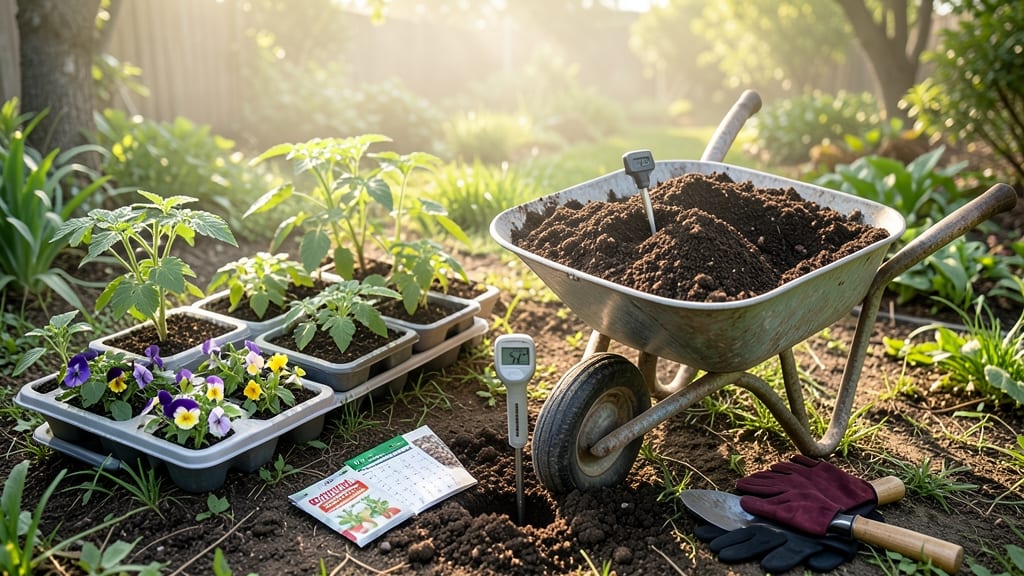
Planting your garden in West Virginia at the right time means catching that sweet spot between frost and heat—miss it, and you’re either shoveling snow or watching your tomatoes bolt in record time.
West Virginia’s unpredictable frost dates can make or break your garden—planting too early risks frost damage, while waiting too long shortens your growing season. Get the exact frost-free timeline for your WV zone and learn which crops thrive in the Mountain State’s unique climate.
From cool-season greens like spinach (plant by April 15) to heat-loving tomatoes (wait until May 15), timing is everything.
I’ll break down the best months for every crop, plus how to adjust for your specific hardiness zone—whether you’re in the cooler 5b highlands or the milder 7a river valleys.
You’ll also discover how to stretch your season with row covers, which crops to start indoors in March, and the one trick that saves late-planted seedlings from a sudden October frost. Let’s get your General West Virginia Garden 🌱 off to the best start possible.
West Virginia frost dates by hardiness Zone: exact planting windows for 2024
West Virginia’s frost dates vary dramatically across its six USDA hardiness zones, from Zone 4a in the northern panhandle to Zone 7a in the southern counties. These variations mean your planting timeline should align with your specific zone to avoid frost damage or missed harvests.
According to NOAA’s 2024 predictions, last spring frosts now occur an average of 3-5 days earlier than historical averages due to climate shifts.
For warm-season crops like tomatoes, peppers, and beans, timing is critical—plant them 2-3 weeks after your last frost date. Meanwhile, cool-season crops such as lettuce, spinach, and kale can handle light frosts and should go in 4-6 weeks before your first fall frost.
Below, I’ve broken down the exact frost dates by zone, including historical averages and 2024 predictions to help you plan.
| Zone | Last Spring Frost (Avg/2024) | First Fall Frost (Avg/2024) | Frost-Free Days | Warm-Season Planting Window |
|---|---|---|---|---|
| 4a (Northern Panhandle) | May 5 / April 28 | October 10 / October 5 | 158 | May 15–June 15 |
| 5a (Northeast WV) | April 25 / April 18 | October 15 / October 10 | 173 | May 1–June 10 |
| 5b (Central WV) | April 15 / April 8 | October 20 / October 15 | 188 | April 25–June 5 |
| 6a (Southern WV) | April 5 / March 28 | October 25 / October 20 | 203 | April 15–June 1 |
| 6b (Southern Counties) | March 25 / March 15 | November 5 / November 1 | 225 | March 30–May 15 |
| 7a (Extreme South) | March 15 / March 5 | November 10 / November 5 | 260 | March 15–May 10 |
If you’re in Zone 4a, like in the northern panhandle, your last frost date typically lands around May 5, but NOAA predicts it could arrive as early as April 28 in 2024.
This means warm-season crops like tomatoes and peppers should wait until mid-May to avoid frost damage. Meanwhile, cool-season crops such as spinach and broccoli can go in as early as March 15 under row covers for a spring harvest.
For Zone 7a, found in extreme southern WV, your frost-free window stretches from March 15 to November 10, giving you a 260-day growing season. Here, you can start warm-season crops like cucumbers and squash
Best crops to plant in West Virginia by month: month-by-month guide
West Virginia’s Appalachian climate offers a 165-day growing season on average, but frost dates vary by elevation. To maximize your harvest, I’ve broken down the best vegetables, herbs, and flowers to plant each month, plus heirloom varieties that thrive in WV’s humid, temperate conditions.
Whether you’re in the river valleys or mountain regions, these timing tips will help you avoid frost damage and extend your season.
For cool-season crops, start in early spring or late summer, while warm-season plants need to wait until after the last frost—typically mid-April in lowlands and late May in higher elevations.
Use row covers to protect tender seedlings from unexpected frosts, especially in Zone 5b-6a areas like Morgantown or Beckley.
- March: Direct-sow peas and spinach; start onions and leeks indoors. Plant cold-hardy flowers like pansies and sweet alyssum.
- April: After last frost, plant lettuce, kale, and carrots. Begin hardening off tomato and pepper seedlings for late April transplanting.
- May: Sow beans, corn, and cucumbers; transplant tomatoes and peppers. Add marigolds and nasturtiums for pest control.
- June: Plant squash, okra, and sweet potatoes. Succession-sow bush beans every 2 weeks. Deadhead annual flowers for continuous blooms.
- July: Direct-sow fall radishes and turnips; transplant broccoli and cabbage seedlings for fall harvest. Add basil and dill to herb gardens.
- August: Plant garlic for next year; sow kale, spinach, and beets under row covers. Start chives and parsley from seed.
- September: Extend season with cold frames for lettuce and carrots. Plant cover crops like clover to protect soil.
- October: Harvest perennials like asparagus and rhubarb; plant spring-blooming bulbs like daffodils and tulips.
West Virginia’s humid summers favor heirloom varieties that resist disease. Try ‘Mammoth Melting’ snow peas for sweet pods or ‘Blue Lake Bush’ beans, which thrive in WV’s heat. For flowers, ‘Black Knight’ hollyhocks and ‘Moonbeam’ coreopsis are drought-tolerant and attract pollinators.
Extend your growing season with row covers or cold frames. In Zone 6a (e.g., Charleston), you can grow spinach until November with protection. For warm-season crops like tomatoes, use black plastic mulch to warm soil and plant ‘Stupice’ tomatoes, a cold-tolerant variety that ripens faster.
Don’t forget herbs! Oregano and thyme are perennial in WV and thrive in poor soil. Plant them near rosemary (hardy in Zone 6) for a low-maintenance, fragrant border. For fast harvests, grow bush cilantro or ‘Calypso’ chives, which regrow after cutting.
With this month-by-month guide, you’ll avoid common mistakes like planting tomatoes too early or missing the fall planting window for broccoli. Adjust for your elevation—mountain gardens may need to wait until late May for warm-season crops, while valleys can start earlier. Happy planting! 🌱