
Planting
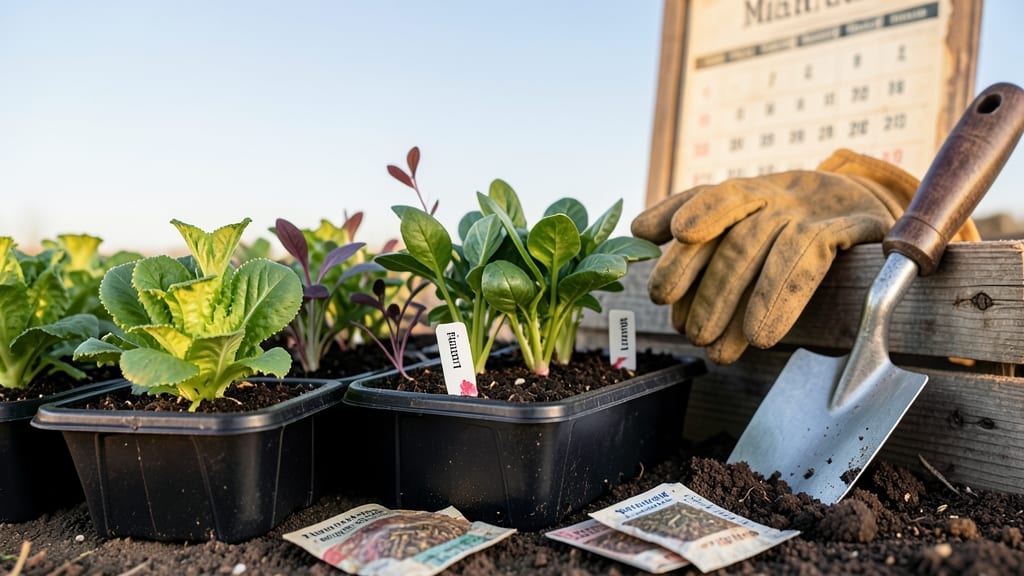
Planting a garden in Maine means timing is everything—get the dates wrong, and frost will turn your hard work into a sad, brown memory.
Maine’s unpredictable climate can turn a gardener’s dream into a frost-bitten nightmare if you plant at the wrong time—but knowing the exact frost-free deadlines for each plant type puts you ahead of the curve.
Cool-season crops like kale and peas thrive when planted as early as April, while tomatoes and peppers need to wait until after May 15 in most regions. The difference between coastal and inland zones adds another layer, so let’s break down the best windows for your 🌱 garden.
You’ll learn how to adjust for microclimates, extend your growing season with simple tricks, and pick the perfect varieties for Maine’s short but sweet summer.
Maine’s frost-free dates by region: when to plant cool-season vs warm-season crops
Maine’s climate varies dramatically from the coastal regions to the northern inland areas, making frost-free dates a moving target. Southern coastal areas like Portland typically see their last frost around April 20–May 1, while inland cities like Bangor often wait until May 15–June 1.
These differences mean your kale and peas might thrive in Portland but need extra protection in Bangor.
Understanding these frost-free windows is critical for cool-season crops like spinach and warm-season plants like tomatoes. Plant too early, and a late frost will kill seedlings. Plant too late, and your eggplants won’t have enough time to mature before winter sets in.
Let’s break down the USDA zones and microclimates to help you time your plantings perfectly.
A coastal microclimate often enjoys earlier frost-free dates due to the moderating influence of the ocean, while inland valleys can experience colder nights and delayed warming.
For example, Presque Isle in the far north might not hit its last frost until June 10, while Kittery on the southern coast could be frost-free by April 15. These regional differences mean your planting schedule should be tailored to your exact location.
For cool-season crops, like kale and peas, you can often start seeds 4–6 weeks before your last frost date. In Southern Maine, that means sowing spinach as early as March 15 under row covers or in a cold frame.
Inland gardeners should wait until April 1 to avoid frost damage. These hardy crops can even handle light frosts, making them ideal for early spring planting.
On the other hand, warm-season crops like tomatoes and peppers need to wait until the soil temperature reaches at least 55°F. In Southern Maine, you can plant these after May 15, but in Northern Maine, hold off until June 1 to ensure the ground stays warm enough.
Using black plastic mulch can help speed up soil warming by 5–10°F, giving your eggplants a head start.
Microclimates play a huge role in Maine
Best planting calendar for Maine gardens: month-by-month deadlines by vegetable type
Maine’s short growing season demands precision—planting too early risks frost damage, while waiting too long cuts yields short. My month-by-month calendar aligns with Maine’s USDA zones 4-5, adjusting for Southern Coastal (warmer) vs. Northern Inland (cooler) microclimates.
For example, Portland’s last frost averages May 10, while Bangor’s lags until May 25. Use these deadlines to maximize your harvest!
Start with cool-season crops like peas and spinach in early spring, then transition to warm-season plants (tomatoes, peppers) only after soil warms to 50°F+. Succession planting is key—sow lettuce every 2 weeks from May to July for continuous harvests.
Below, I’ve broken down critical planting windows by plant type, including regional adjustments.
- 1. March-April: Plant onion sets, potatoes (Southern Maine by April 15), and hardy greens (spinach, kale) under row covers.
- 2. Late April-Early May: Direct-sow peas, radishes, and lettuce. Start tomato/pepper seeds indoors if using transplants.
- 3. May 10-25: Plant warm-season crops after last frost—tomatoes, cucumbers, and beans. Southern Maine: May 10; Northern: May 25.
- 4. June-July: Sow succession crops like bush beans and carrots. Add herbs (basil, cilantro) for summer harvests.
- 5. August: Plant cool-season crops for fall—kale, spinach, and broccoli tolerate light frosts.
- 6. September: Direct-sow garlic and cover crops (clover) to protect soil.
Pro tip: Use Maine-friendly varieties like ‘Northern Lights’ potatoes (resistant to scab) or ‘Mammoth Melting’ tomatoes, which thrive in cooler climates. For succession planting, stagger lettuce and spinach every 10-14 days from May to July to avoid bolting.
In Northern Maine, delay warm-season plants until June 1 to avoid frost.
Adjust for microclimates: Coastal areas (e.g., Bar Harbor) can plant 2 weeks earlier than inland spots like Presque Isle. Monitor soil temperature—warm-season crops need 60°F+ soil to germinate.
Use a soil thermometer to avoid wasted seeds. My go-to tool is a row cover for early spring starts.
Don’t forget herbs and flowers! Plant parsley and chives in spring, while marigolds and nasturtiums deter pests when sown in June. For perennials, divide asparagus crowns in early spring or fall.
Timing is everything—follow this calendar, and your Maine garden will reward you with bountiful harvests despite the short season! 🌱