
Planting
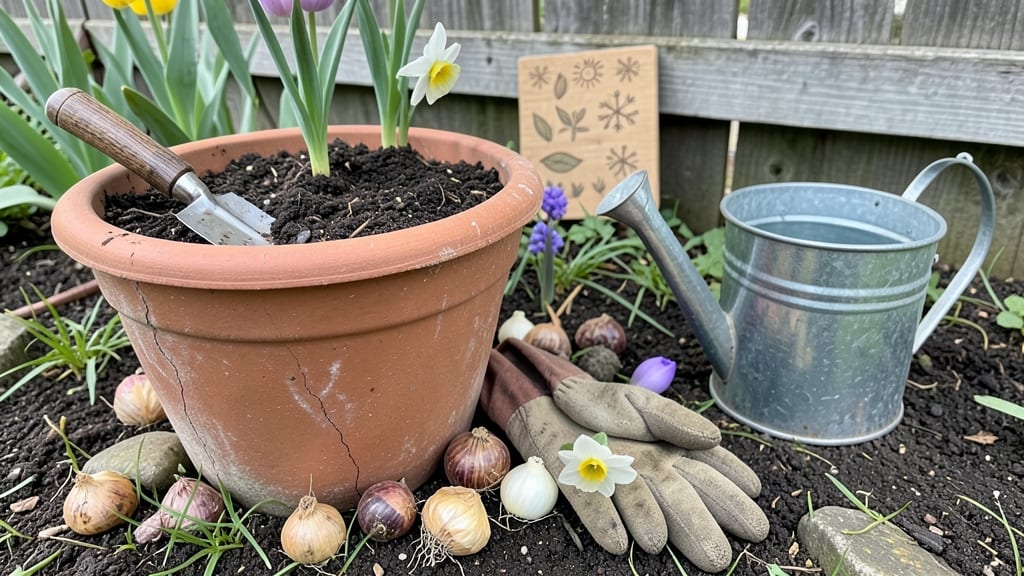
To plant bulbs in your garden at the perfect time means spring blooms or summer color—depending on the variety—without waiting months for results.
Timing is everything when planting bulbs—get it wrong, and you might miss the stunning blooms you’ve been dreaming of. But with the right month-by-month guide tailored to your climate zone, you can transform your garden into a year-round floral masterpiece.
Most gardeners know fall is the prime window for spring-flowering bulbs like tulips and daffodils, but did you know summer bloomers like dahlias or gladioli need a different approach? The key lies in understanding your USDA zone and adjusting for early frosts or unusually warm winters.
Here, I’ll walk you through the exact months to plant by region, how to prep soil for maximum success, and the 3 common mistakes that kill bulbs before they even sprout.
Best months to plant bulbs by USDA climate zone
Planting bulbs at the right time ensures vibrant blooms and healthy growth. Fall is ideal for most spring-blooming varieties, while winter and early spring work for summer-flowering types. Your USDA zone determines the perfect window—get it wrong, and you risk weak roots or no blooms at all.
Let’s break down the best months for each zone, from cold Zone 3 to warm Zone 11, so you can plan like a pro.
For spring-blooming bulbs like tulips and daffodils, aim to plant 6-8 weeks before your first frost. In Zones 3-5, this means late September to early October. Meanwhile, summer-flowering bulbs like dahlias and cannas thrive when planted in early spring after the last frost.
Frost-sensitive varieties in Zones 8-11 can even go in winter for a head start.
| USDA Zone | Spring Bloomers (Fall Planting) | Summer Bloomers (Spring Planting) | Winter Planting (Zones 8-11) |
|---|---|---|---|
| 3-4 | Late Sept–Oct | Early May–June | N/A |
| 5-6 | Oct–Nov | April–May | N/A |
| 7-8 | Nov–Dec | March–April | Jan–Feb |
| 9-10 | Dec–Jan | Feb–March | Dec–Jan |
| 11 | N/A | Jan–Feb | Nov–Dec |
In Zones 3-4, where winters are harsh, focus on hardy bulbs like crocuses and snowdrops. These thrive when planted in late September to avoid frost damage.
For Zones 5-6, extend your window to October or November—just ensure the ground isn’t frozen. Tulips and hyacinths love this timing, but avoid planting too late, or they won’t establish roots before winter.
Warmer climates like Zones 7-8 give you flexibility. You can plant spring bulbs in late fall or even early winter (November–December). For summer bloomers, March–April is perfect.
In Zones 9-11, where frost is rare, you can plant year-round, but aim for cooler months to prevent heat stress. Dahlias and gladiolas love this climate’s mild winters.
Don’t forget frost-sensitive bulbs like caladiums and cannas. In Zones 9-11, plant them in late winter (January–February) to beat the heat. For Zones 7-8, wait until March or April after the last frost.
These bulbs need warmth to thrive, so rushing them can lead to rotting or poor growth.
Pro tip: Use mulch after planting to insulate bulbs in cold zones or retain moisture in hot ones. A 3-inch layer of straw or shredded leaves works wonders.
Also, water deeply after planting—this encourages root growth before dormancy. Overwatering is a common mistake, though, so let the soil dry slightly between waterings once roots establish.
If you’re in a transition zone (like Zone 7b), err on the side of earlier planting. Unpredictable frosts can delay root growth, so late fall is safer than waiting.
For container gardening, plant bulbs in late summer or early fall—just move pots to a garage or shed if frost threatens. This trick works for Zones 5-8 and extends your blooming season.
Finally, label your bulbs if you’re experimenting with new varieties. I’ve planted tulips and daffodils side by side only to forget which is which the next spring! Track planting dates and
Signs your garden is ready for bulb planting (and what to avoid)
Planting bulbs at the right time ensures vibrant blooms and healthy growth. The key is watching for soil temperature and weather patterns that signal ideal conditions. In most regions, fall planting (6-8 weeks before the first frost) gives bulbs time to root before winter dormancy.
But what if you missed that window? Spring planting is still possible for many varieties!
Look for cool soil temperatures between 50-60°F—this is perfect for root establishment. Test your soil with a thermometer or plant when daytime temps drop below 70°F.
Overheated soil can shock bulbs, stunting growth. Also, check for well-draining soil—bulbs rot in soggy conditions, so avoid planting after heavy rains.
⚠️ callout warning ⚠️
⚠️ Common Mistakes That Ruin Bulb Growth
- Planting too deep: Bulbs need 2-3x their height in soil—deeper = fewer blooms.
- Overwatering: Wet soil causes rot; water only when top 1-2 inches are dry.
- Ignoring drainage: Bulbs need sandy or loamy soil—amend clay soil with compost.
- Planting in heat: Bulbs need cool roots—wait for temps below 70°F.
Pro Tip: Add a 2-inch layer of mulch after planting to insulate roots.
Another critical sign is moisture balance. While bulbs need consistent water, soggy soil is deadly. If your garden has poor drainage, plant bulbs on a slight mound or mix in perlite to improve airflow. Also, avoid planting where water pools—even seasonal puddles can lead to bulb rot.
Pay attention to local frost dates. In USDA Zones 3-5, aim for late September to early October for fall planting. Warmer zones (6-10) can plant until November. Spring planting? Wait until after the last frost date—bulbs planted too early may sprout and die in cold snaps.
Finally, check for pest activity. Squirrels and deer love fresh bulbs! If wildlife is a problem, plant in wire cages or use repellent granules. Also, avoid planting where slugs or snails thrive—these pests chew bulb foliage, weakening growth before blooms even appear.
With these signs in mind, your garden will be ready for bulb planting in no time. Just remember: cool soil, good drainage, and proper depth are your best friends for happy, blooming bulbs! 🌱