
Planting
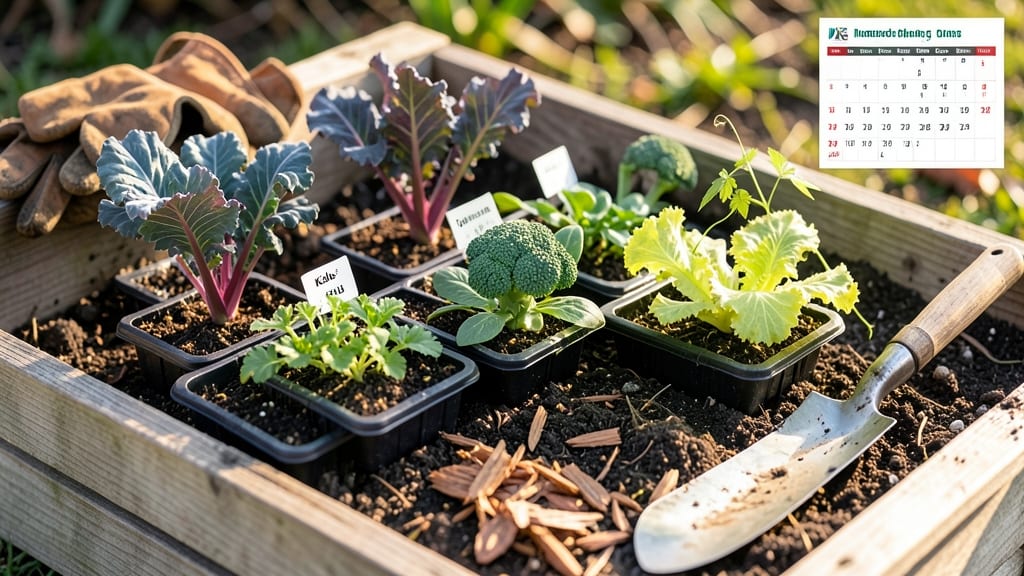
Planting a vegetable garden in New Jersey at the right time means the difference between a bountiful harvest and a sad, half-eaten salad 🥕 — and the window is narrower than you think.
New Jersey’s unpredictable frost dates can turn your vegetable garden dreams into a guessing game—unless you plant at the perfect time. Get our frost-date cheat sheet tailored to NJ’s climate zones, so you can maximize yields for tomatoes, peppers, greens, and more.
Cool-season crops like lettuce and spinach thrive when planted 4-6 weeks before your last frost, while warm-season favorites like peppers and tomatoes need to wait until 2-3 weeks after the danger of frost has passed.
In NJ’s 6a-7b zones, that typically means mid-April for early plantings and mid-August for fall harvests.
Below, I break down the exact planting timeline by crop, how to adjust for coastal vs. inland microclimates, and the one mistake that ruins more NJ gardens than any other. Spoiler: it’s not the frost.
NJ frost dates by plant type: the ultimate planting timeline
New Jersey’s last frost dates can swing by 2-3 weeks between coastal areas and inland zones, making timing everything for your vegetable garden. Whether you’re growing cool-season greens like spinach or warm-season favorites like tomatoes, knowing the right window ensures your plants thrive—not just survive.
Let’s break down the critical frost dates for NJ’s hardiness zones 6b–7a, so you can plant with confidence.
For most of Northern NJ (zones 6b), the average last frost date falls between April 15–May 1, while Southern NJ (zones 7a) sees frost depart by March 20–April 15. Coastal areas like Cape May often enjoy 10–14 extra frost-free days compared to inland spots like Morristown.
First frost in fall typically arrives October 15–November 1 in the north and November 1–15 in the south.
Cool-season crops like kale, peas, and lettuce can handle light frosts, but warm-season crops such as tomatoes, peppers, and cucumbers need soil temps above 60°F to germinate. Planting too early risks frost damage, while waiting too long cuts your harvest window short.
Here’s your NJ frost-date cheat sheet, organized by plant type and region:
For coastal NJ, like Atlantic City or Cape May, you can push planting dates 2 weeks earlier than inland areas. For example, tomatoes might go in the ground by April 20 near the shore, while Morris County gardeners should wait until May 5.
Always check soil temperature—a soil thermometer is your best friend for warm-season crops.
Pro tip: Use Rutgers Cooperative Extension’s frost calculator (linked below) to get hyper-localized dates for your exact ZIP code. Even a 5-mile difference can mean 3–5 extra frost-free days, which is crucial for peppers and eggplants that need a long, warm season.
If you’re growing heat-loving crops like okra or sweet potatoes, aim to plant by June 1 in Northern NJ and May 15 in the south. These plants need 120+ frost-free days to mature, so don’t wait too long!
For cool-season crops, succession planting every 2–3 weeks ensures a steady harvest before bolting.
Remember, first frost dates are just averages—microclimates (like a sunny south-facing slope) can delay frost by 1–2 weeks. Monitor your garden’s unique conditions and adjust accordingly.
With this timeline, you’ll avoid the common NJ gardener mistakes of planting too early (and losing crops to frost) or too late (and missing the harvest window).
Now that you’ve got your frost-date cheat sheet, mark your calendar and start planning your spring and fall plantings with confidence. Happy gardening! 🌱
How to adjust planting times for NJ’s microclimates
New Jersey’s diverse geography—from the coastal plain to the Piedmont region—creates microclimates that can shift frost dates by weeks. Coastal areas like Cape May often enjoy warmer springs and later frosts, while inland zones like Sussex County may face earlier freezes.
Understanding these nuances lets you extend growing seasons for heat-loving crops like peppers and eggplants or protect tender greens from unexpected chills.
For example, tomatoes planted in early May might thrive in Zone 7a (coastal) but risk frost damage in Zone 6b (northwest NJ) if seeded too soon.
The key? Adjust planting windows by 2–4 weeks based on your microclimate, and use season-extending tools like row covers or cold frames to push boundaries. I’ll show you how to fine-tune your schedule for maximum harvests.
- 1 Coastal NJ (Zones 7a–7b): Plant warm-season crops like peppers and eggplants 2 weeks earlier (late April) than inland areas. Coastal soil warms faster due to moderate ocean breezes.
- 2 Piedmont/Northwest NJ (Zones 6a–6b): Delay tomato and cucumber plantings until mid-May to avoid late spring frosts. Use black plastic mulch to warm soil 2–3°F faster.
- 3 Soil warming hacks: Lay down clear plastic sheeting 1–2 weeks before planting to raise soil temps by 5–10°F. For container gardens, use heat mats under pots to jumpstart peppers and basil.
- 4 Row covers for fall crops: Extend the season for kale and spinach by 4–6 weeks using floating row covers. Remove covers during the day in September to prevent overheating.
- 5 Cold frames for overwintering: Protect garlic and onion sets planted in October with a low cold frame to harvest 2–3 weeks earlier than open-ground plantings.
If you’re growing heat-sensitive crops like cucumbers or squash, start seeds indoors under grow lights 4–6 weeks before your average last frost date. For Zone 6b gardeners, this means mid-March starts, while Zone 7a growers can wait until late March.
Always harden off seedlings for 7–10 days before transplanting to avoid shock.
For fall planting, use succession sowing with lettuce and radishes every 2 weeks from mid-August to early September. In cooler microclimates, like the Delaware Valley, you can even plant spinach in late September for a winter harvest under row covers.
The key is monitoring soil temps—aim for 50–60°F for cool-season crops.
Pro tip: Check Rutgers NJ Weather Network for real-time frost alerts and adjust your schedule accordingly. With these microclimate tweaks, you’ll turn NJ’s unpredictable climate into a longer growing season for your favorite veggies. 🌱