
Planting
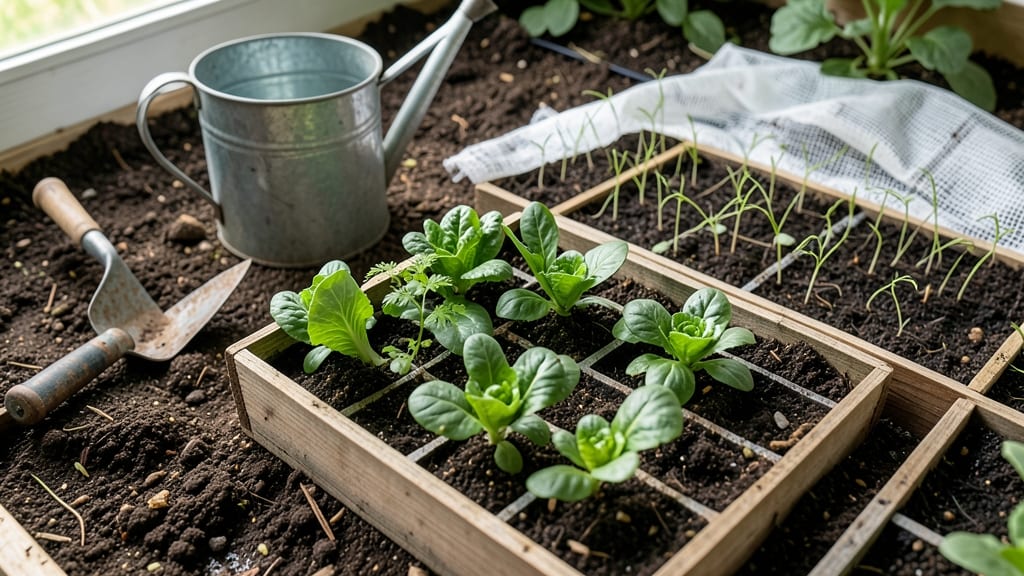
Planting a garden in Utah means timing it right to beat the unpredictable frost that can turn tender seedlings into sad, crispy memories.
Utah’s unpredictable climate can turn your gardening dreams into a gamble—unless you know the exact last frost dates for your county. Plant too early, and frost will wipe out your seedlings; too late, and you’ll miss peak harvest seasons.
From the high desert of Washington County to the mountain valleys of Summit, each region has its own frost timeline. Salt Lake City’s last frost typically arrives around April 15, while St. George’s warmer climate lets you start as early as February 1.
Here’s your county-by-county guide to planting for zero-failure success, including microclimate tweaks, frost-proof strategies, and the best months for every Utah zone.
Utah’s last frost dates by county: exact timelines for zero-risk planting
Utah’s diverse elevations create wildly different frost timelines—what’s safe in Washington County (St. George) could freeze in Summit County (Park City) just 100 miles away.
To avoid frost damage or wasted seed packets, I’ve compiled county-specific last frost dates based on 30+ years of Utah State University data, adjusted for microclimates like urban heat islands and mountain valleys.
Knowing your last spring frost and first fall frost lets you time warm-season crops (tomatoes, peppers) perfectly and extend harvests with frost-tolerant greens. Below, I’ve organized Utah’s 14 key counties by USDA zone, with historical trends and microclimate warnings for high-risk areas like Cache Valley or Moab’s desert floor.
Pro Tip: Add 1–2 weeks to these dates if you’re in a cold pocket (e.g., Logan Canyon or Heber Valley) or subtract 1 week for urban heat zones (e.g., Salt Lake City’s downtown). Always check 7-day forecasts before planting tender seedlings.
| County | USDA Zone | Avg. Last Spring Frost | Avg. First Fall Frost | Frost-Free Days | Microclimate Notes |
|---|---|---|---|---|---|
| Washington (St. George) | 8a | February 15 | December 1 | 210+ | Desert heat; plant heat-tolerant varieties early |
| Utah (Salt Lake City) | 6a | April 15 | October 15 | 150–160 | Urban areas warm 2–3°F faster; valleys colder than foothills |
| Davis (Layton) | 6b | April 10 | October 20 | 160–170 | Farmington’s cold air pooling delays spring |
| Cache (Logan) | 5b | May 1 | September 25 | 120–130 | Logan Canyon stays cold 2+ weeks longer |
| Summit (Park City) | 5a | May 15 | September 10 | 100–110 | High elevation; use row covers for early crops |
| Weber (Ogden) | 6a | April 20 | October 10 | 155–165 | Bear River Valley warms faster than mountains |
| Box Elder (Brigham City) | 5b | April 25 | September 30 | 130–140 | Rexburg’s cold snaps can hit late May |
| Sanpete (Manti) | 6a | April 10 | October 25 | 170–180 | High desert; dry winds increase frost risk |
| Grand (Moab) | 7a | March 1 | November 15 | 240+ | Desert floor warms fast; can plant early |
| Kane (Kanab) | 7b | February 28 | November 10 | 230+ | Extreme heat; shade cloth needed for greens |
| Millard (Fillmore) | 6b | April 5 | October 30 | 180–190 | High desert; water deeply to prevent frost |
| Juab (Nephi) | 6a | April 12 | October 22 | 160–170 | Elevated valleys; cold air sinks at night |
| Tooele (Tooele) | 6b | April 18 | October 12 | 150–160 | Great Salt Lake moderates temps; milder springs |
*Dates based on 30-year averages; check local forecasts for real-time adjustments.
For high-elevation counties like Summit or Cache, I recommend hardening off seedlings indoors until May 15—even if the table shows an earlier date. In Washington or Kane County, you can plant heat-lovers (okra, sweet potatoes) as early as March 1, but protect them from un
How to adjust planting dates for Utah’s microclimates: elevation, aspect, and soil factors
Utah’s dramatic elevation shifts—from 2,500 feet in St. George to over 10,000 feet in the Uinta Mountains—create wildly different planting windows.
A south-facing slope in Utah County might warm enough for tomatoes by April 15, while a north-facing valley in Cache County could wait until May 10 without risk. These microclimates aren’t just about elevation; aspect (direction) and soil composition also dictate when to plant.
Start by identifying your USDA hardiness zone (e.g., Zone 5b in Logan vs. Zone 8a in St. George) and adjust planting dates by 2-4 weeks based on your specific aspect.
For example, peas and spinach—cold-hardy crops—can go in 2-3 weeks before your last frost date, while tomatoes and peppers need 2 weeks after soil warms to 50°F.
| Microclimate Factor | Adjustment | Example |
|---|---|---|
| Elevation (High Desert) | Delay planting by 1-3 weeks | Salt Lake Valley (4,200 ft): Plant tomatoes May 1 |
| South-Facing Slope | Plant 2 weeks earlier than flat ground | Utah County slope: Basil April 10 |
| North-Facing Valley | Delay by 3-4 weeks | Cache County valley: Peppers May 20 |
| Black Plastic Mulch | Extend season by 2-3 weeks | Warms soil for cucumbers April 1 |
| Row Covers | Plant 3 weeks earlier for frost protection | Kale in March 15 (protected) |
Soil temperature is your real game-changer. Use a soil thermometer to confirm when to plant: 40°F for peas, 50°F for lettuce, and 60°F+ for tomatoes. In high-desert areas like Tooele, lay black plastic mulch 2 weeks before planting to raise soil temps by 5-10°F.
For mountain valleys like Park City, opt for cold-hardy varieties like Swiss chard or radishes and plant under frost cloth.
Heat-sensitive crops like eggplants and okra need 70°F+ soil, which may not happen until June in northern Utah. In contrast, St. George’s Zone 8a allows year-round planting of heat lovers like peppers and sweet potatoes.
Always check 7-day forecasts before planting warm-season crops—a late frost in May can devastate your tomato seedlings.
Extend your season with low-tech hacks: Use row covers to plant spinach in February (protected) or black plastic to start cucumbers in April. For high-altitude gardens, prioritize fast-maturing varieties (e.g., ‘Early Girl’ tomatoes at 55 days) over heirlooms.
And remember: Utah’s dry air means mulch is non-negotiable—it retains moisture and regulates soil temp.
Pro tip: Keep a gardening journal for 2-3 years to track your local microclimate quirks. Note when frost hits unexpectedly or soil warms faster than average. Over time, you’ll refine your planting dates to perfection—no more wasted seeds or bolted lettuce!