
Planting
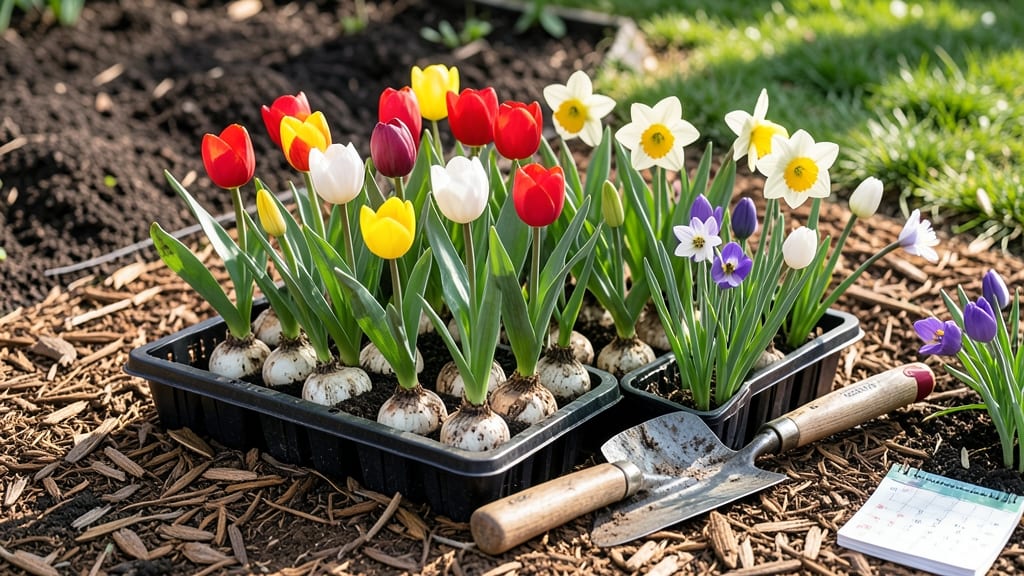
To plant a garden in Pennsylvania, aim for late April to early May in USDA Zones 6 and 7 — timing that balances soil warmth and frost risk for the best harvests.
Pennsylvania’s unpredictable spring weather can turn a gardener’s well-laid plans into a guessing game unless you know the exact timing for planting. One week too early, and frost-sensitive crops like tomatoes or peppers may bolt or rot.
Too late, and you’ll miss peak yields before summer’s heat sets in. The key is reading your local last-frost dates and adjusting for microclimates, whether you’re in Philadelphia’s urban heat islands or the cooler Pocono Mountains.
This guide breaks down the science behind Pennsylvania’s planting windows, from cool-season crops like spinach and peas to warm-season staples like cucumbers and basil. You’ll learn how to prep your soil in early spring, choose early vs. late varieties, and use row covers to extend your growing season.
No more second-guessing — just a clear, zone-specific roadmap to a bountiful garden.
Ready to dig in? We’ll cover frost dates by region, soil temperature tests, and the one trick that adds two extra weeks of growing time in Pennsylvania’s short but productive summers. Let’s get those seeds in the ground at the perfect moment.
Pennsylvania planting timeline by USDA Zone 6 and 7: what to sow when
Pennsylvania’s USDA Zones 6 and 7 offer a 140- to 180-day growing season, but timing is everything. In Zone 6 (Pittsburgh, rural areas), last frost typically hits April 15–May 1, while Zone 7 (Philadelphia, southern PA) averages April 1–April 15.
Missing these windows can mean stunted crops or wasted seeds. I’ve broken down the month-by-month planting schedule for cool-season heroes like spinach and peas, plus warm-season stars such as tomatoes and basil, with adjustments for your exact location.
Before you plant, test your soil for black walnut toxicity (common in PA) and amend with compost to avoid soil compaction. Rural areas often have cooler microclimates, while urban spots like Philadelphia can be 5–10°F warmer.
Use these adjustments to fine-tune your schedule. Let’s dive into the exact weeks to sow each crop for maximum harvests.
| Month | Cool-Season Crops | Warm-Season Crops | Frost-Sensitive Plants | Notes for PA |
|---|---|---|---|---|
| March | Spinach, peas, lettuce (start indoors) | None (too cold) | None | Use row covers for early starts |
| April | Direct-sow peas, spinach, radishes | Tomato/pepper starts indoors | Basil starts indoors | Wait for soil to reach 50°F |
| May | Lettuce, kale, carrots (after last frost) | Transplant tomatoes, peppers (Zone 7 first) | Direct-sow cucumbers, basil | Zone 6: Wait until May 15 |
| June | Succession plant lettuce | Sow beans, corn, squash | Melons, okra (Zone 7 only) | Mulch to retain moisture |
| July–August | None (heat-sensitive) | Sow fall crops (kale, broccoli) | None (too hot) | Prepare beds for fall planting |
| September | Spinach, peas, radishes (fall crop) | None (too late) |
How to adjust planting dates for Pennsylvania’s microclimates and soil conditionsPennsylvania’s diverse geography means your Pittsburgh garden might have 2 weeks earlier last-frost dates than Poconos Mountain plots just 100 miles away. Urban heat islands in Philadelphia can push soil temperatures up faster than rural Lancaster County, while clay-heavy soils in Erie hold cold longer. These microclimates demand tailored planting strategies to avoid frost damage or stunted growth. High-altitude areas like the Poconos (USDA Zone 5b) often face late May last-frost dates, while southeastern PA (Zone 7a) can plant tomatoes outdoors by April 15. Meanwhile, sandy soils in Lebanon County warm up 2 weeks faster than clay soils in Allegheny County. Understanding these variations lets you extend seasons with row covers or succession planting for continuous harvests. Adjusting Planting Dates by PA Microclimate
Urban Areas (Philadelphia, Pittsburgh)
Rural Areas (Lancaster, Berks)
High-Altitude (Poconos, Laurel Highlands)
Soil Type Adjustments
Action Tip: Use soil thermometers to confirm 50°F minimum for cool crops or 60°F+ for warm-season plants. Adjust dates ±1 week based on your local readings. For clay-heavy soils common in Erie or Scranton, amend with compost and sand to improve drainage—this can shift planting windows by 10-14 days. In sandy soils like those in Lebanon County, focus on mulching to retain moisture and extend harvests. Test your soil’s pH too: tomatoes thrive at 6.0-6.8, while blueberries need 4.5-5.5. Extend your growing season with row covers (add 2-3 weeks of frost protection) or cold frames (push spring starts by 4 weeks). In Pittsburgh’s Zone 6b, I’ve used floating row covers to plant spinach in early March without frost damage. For late-season harvests, try succession planting every 2 weeks—this works especially well for bush beans or lettuce. Historical frost data shows Poconos averages May 15 last frost, while Philadelphia hits April 20. Use these dates as baselines, then adjust ±7 days based on your 5-year local records. For risk assessment, plant frost-tender crops like peppers only after May 10 in Zone 6—earlier plantings risk black walnut toxicity or fungal diseases. Pro tip: Direct-sow cool crops (like kale or carrots) 4-6 weeks before your average last frost, while transplanting warm crops (like tomatoes) 2 weeks after. In high-altitude zones, opt for early-maturing varieties—‘Early Girl’ tomatoes (55 days) outperform ‘Beefsteak’ (80+ days) in Poconos. |