
Planting
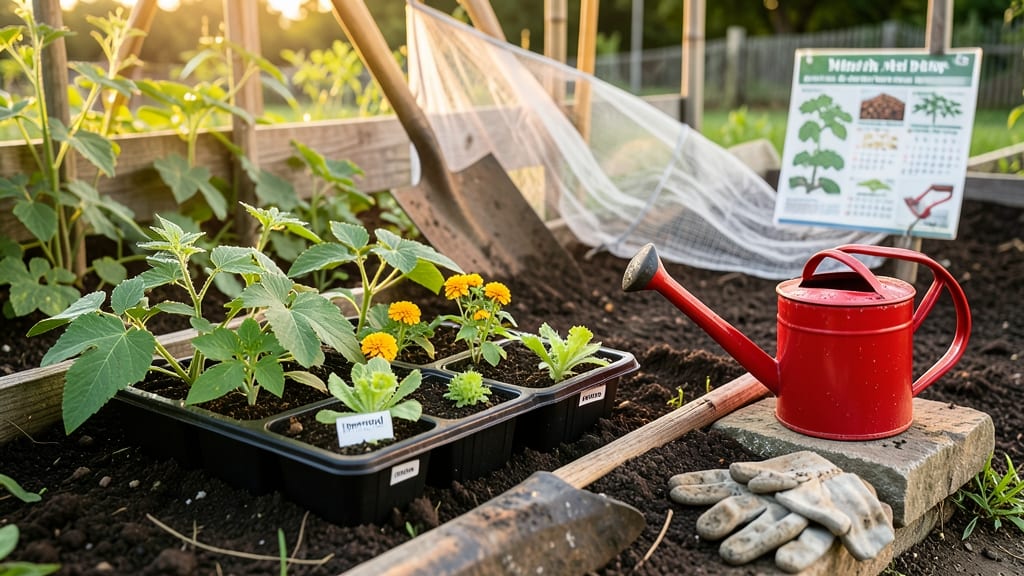
Planting a garden in Missouri at the right time means the difference between a bountiful harvest and a frustrating failure—and the exact deadlines depend on where you live and what you’re growing.
Missouri’s unpredictable spring weather can turn a gardener’s excitement into frustration—unless you know the exact planting windows for each crop. Timing is everything, and missing these deadlines could mean stunted growth, pests, or even total crop failure.
From St. Louis’s USDA Zone 6 to Kansas City’s Zone 5, the last frost dates shift by weeks, and cool-season crops like lettuce need to hit the soil 4-6 weeks before the average frost date.
Warm-season plants like tomatoes, on the other hand, won’t thrive until the soil warms to at least 60°F—usually mid-May or later.
In this guide, you’ll get a zone-specific planting schedule, soil prep tips tailored to Missouri’s clay-heavy soil, and tricks to extend your growing season—so you can avoid the heartbreak of watching your hard work wither in a late frost.
Missouri planting zones: understanding hardiness and last frost dates
Missouri’s USDA Plant Hardiness Zones 5-7 create a diverse gardening landscape, where St. Louis (Zone 6a-6b) and Kansas City (Zone 5b-6a) experience different frost patterns than rural areas like Southeast Missouri (Zone 7a).
These zones determine which plants thrive year-round and when you can safely plant cool-season vs. warm-season crops without frost damage.
Knowing your last average frost date is critical—it’s the cutoff for planting frost-sensitive crops like tomatoes and peppers. In St. Louis, this typically falls around April 15, while Kansas City averages April 22, and rural southern Missouri can be as late as May 1.
The Missouri Botanical Garden’s frost calendar provides hyper-localized data to refine these estimates.
First frost dates also matter for fall planting. Northern Missouri (Zone 5) sees first frosts as early as October 15, while southern areas (Zone 7) can extend harvests until November 15. This timing dictates when to sow cool-season crops like spinach for fall harvests.
| Region | USDA Zone | Last Frost Date | First Frost Date | Cool-Season Planting | Warm-Season Planting |
|---|---|---|---|---|---|
| St. Louis | 6a-6b | April 15 | October 20 | March 1 - April 15 | May 1 - June 1 |
| Kansas City | 5b-6a | April 22 | October 15 | March 15 - April 22 | May 10 - June 10 |
| Southeast MO (Poplar Bluff) | 7a | May 1 | November 15 | March 15 - May 1 | May 15 - June 15 |
| Northeast MO (Columbia) | 6a | April 10 | October 10 | March 1 - April 10 | April 30 - May 30 |
For precision planning, always check the Missouri Botanical Garden’s frost calendar (updated annually) rather than relying on averages. This tool accounts for microclimates—like urban heat islands in St. Louis—that can shift frost dates by 1-2 weeks.
For example, downtown St. Louis may warm up faster than its suburbs.
Cool-season crops like lettuce, peas, and broccoli should be planted 4-6 weeks before your last frost date. In Zone 5 areas, this means starting seeds indoors by February 15 for an early spring harvest.
Meanwhile, warm-season crops like tomatoes and peppers need soil temperatures above 60°F—typically 2-3 weeks after your last frost.
Missouri’s first frost dates also dictate when to plant fall crops. In Zone 6, you can sow spinach and radishes as late as August 15 for a harvest before winter. Use row covers to extend this window by 2-3 weeks in protected microclimates.
Always verify your local frost dates using the Missouri Climate Center or NOAA’s frost prediction tools. These resources provide 7-day forecasts that help avoid planting during false springs—when warm weather lures you into early planting, only to be followed by a late frost.
Pro tip: Plant cold-hardy crops like kale and carrots in late summer (August) for a fall harvest. These thrive in cooler weather and can tolerate light frosts, giving you fresh produce even when other crops are done for the season.
Understanding your USDA zone and local frost patterns transforms guesswork into a predictable gardening schedule. With this knowledge, you’ll maximize yields, avoid pests, and enjoy a longer growing season—no matter where in Missouri you garden. 🌱
Best planting schedule for Missouri crops: cool-season vs. warm-season deadlines
Missouri gardeners know timing is everything—especially when cool-season crops like spinach and warm-season favorites like tomatoes demand precise planting windows. The key? Understanding your last frost date (typically April 15–May 1 across most of the state) and adjusting for soil temperature.
In southern Missouri (Zone 7), you can plant warm crops earlier, while northern areas (Zone 5) need to wait until after May 10.
For cool-season vegetables, I start seeds indoors in late February for broccoli and kale, then transplant 4–6 weeks before last frost. Lettuce and peas can go directly into the garden as soon as soil is workable (40°F+).
Meanwhile, warm-season crops like tomatoes and peppers need soil temps above 60°F—wait until after May 15 in most regions to avoid frost damage.
Don’t overlook extended-season crops like radishes and carrots, which thrive when planted in July–August for a fall harvest. These fast growers (30–60 days) can be sown every 2–3 weeks until September 1 to keep your kitchen stocked.
I’ve had great success with green onions, which regrow after cutting and can be harvested straight into October if protected with row covers.
Pro tip: Use a soil thermometer to confirm readiness—warm-season crops need 60°F+ soil, while cool-season crops tolerate 40°F+. In Missouri’s humid summers, prioritize evening watering to prevent fungal diseases like early