
Picking
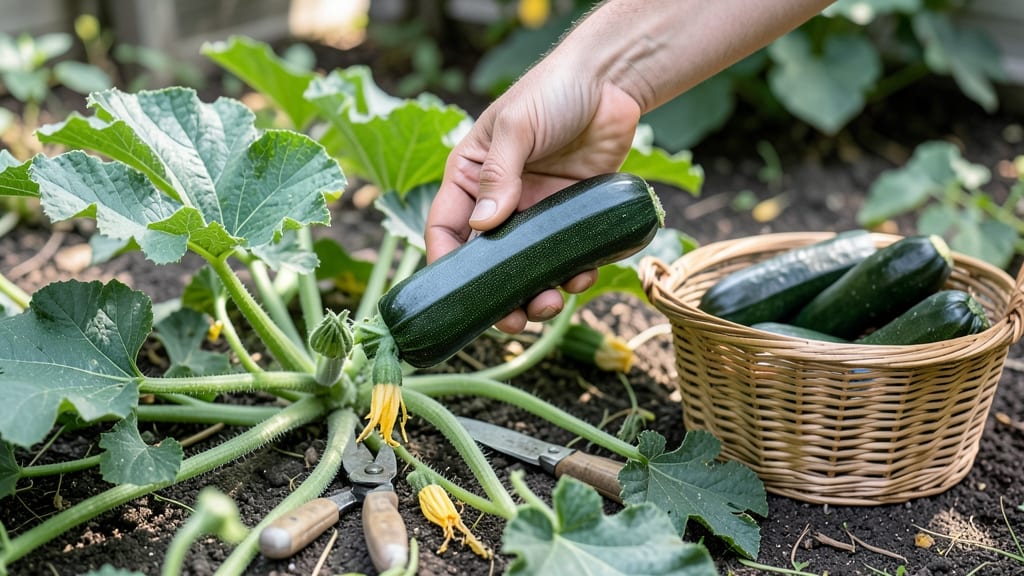
Picking zucchini from your garden at the right time means the difference between a tender, flavorful harvest and a tough, seedy disappointment 🎃.
Here’s the catch: zucchini grow faster than you might expect—and if you miss that sweet spot, those small, tender squash turn into oversized, seedy monsters. The good news? You don’t need a degree in botany to tell when they’re ready.
In this guide, I’ll walk you through the three key signs your zucchini are perfect for picking, including size, skin firmness, and color cues. You’ll also learn how often to check your plants and what to do if you wait too long.
By the end, you’ll never again wonder whether that zucchini is ready—just grab your knife and enjoy the harvest at its peak!
3 Key signs your zucchini are ready to harvest now
Harvesting zucchini at the right moment transforms your garden into a bounty of tender, flavorful squash instead of a jungle of oversized giants.
The difference between a perfectly ripe zucchini and one that’s past its prime often comes down to three simple but critical indicators: size, skin texture, and stem color.
Ignore these cues, and you’ll end up with a kitchen full of zucchini so large they’re barely edible—or worse, a plant that stops producing entirely because it’s too exhausted from overgrowth.
I’ve learned the hard way that zucchini don’t wait for you to be ready. One morning, I turned my back for just a few days, and suddenly, my 6-inch beauties had ballooned into foot-long monsters. The lesson?
Check your plants every 2-3 days during peak growing season (typically July and August in most climates). This way, you’ll catch them at their prime, when the skin is still tender and the seeds are barely visible.
🌱 3 Key Signs Your Zucchini Are Harvest-Ready
- 1
- 2
- 3
Let’s talk about that stem color for a moment—it’s one of the most reliable indicators, and I’ve seen gardeners overlook it time and again.
The yellowing at the stem end isn’t just a cosmetic detail; it’s a biological signal that the zucchini has stopped growing and is at its peak nutritional value. Pro tip: If you’re unsure, gently twist the zucchini at the stem.
If it snaps cleanly with minimal resistance, it’s ready to harvest. If it pulls away with a tough vine, wait another day or two.
Another common mistake I see is judging ripeness by color alone. While mature zucchini should be a deep, even green, a pale or blotchy squash is a red flag. This often happens when the plant isn’t getting enough sunlight or water.
If your zucchini looks washed out, it’s either underripe or stressed. In this case, check your plant’s watering schedule and ensure it’s getting at least 6-8 hours of sunlight daily. A stressed plant won’t produce quality fruit, no matter how often you check.
Here’s where many gardeners go wrong: they assume bigger is better. Nothing could be further from the truth. A zucchini that’s 12 inches long might look impressive, but it’ll be woody, seedy, and bland. The ideal harvest window is narrow—just a few days—so don’t assume you can wait.
Once a zucchini passes its prime, its flavor deteriorates rapidly, and the texture becomes tough. Even if you plan to cook it, the excess seeds and fibrous skin make it less enjoyable.
One trick I’ve picked up from experienced gardeners is to harvest in the morning. This is when zucchini are coolest and firmest, making them easier to transport and store.
Plus, harvesting early in the day gives you a chance to enjoy them fresh or use them in recipes before the heat of the afternoon sets in. If you’re not sure whether to pick a zucchini, err on the side of harvesting sooner.
You can always leave a few to grow larger if you’re short on time, but you can’t un-overripe a zucchini.
Finally, pay attention to your plant’s overall health. A well-maintained zucchini plant will produce consistently, giving you a steady supply of harvest-ready squash. If your plant looks wilting, yellowing, or overloaded with fruit, it’s a sign to harvest more frequently.
Overburdened plants divert energy away from producing new flowers and zucchini, leading to a sudden drop in yield. Think of it like this: your zucchini plant is a fruit factory, and you want to keep the assembly line running smoothly.
When in doubt, cut it and cook it. Even if a zucchini isn’t perfectly ripe, it’s still edible and can be used in dishes like zucchini bread, fritters, or soups.
But for the best results, aim to harvest when all three signs—size, skin texture, and stem color—align. Your taste buds (and your kitchen counter) will thank you.
How often to check your zucchini plants for harvest-ready squash
Checking your zucchini plants every 2-3 days is the golden rule for catching squash at peak ripeness. Morning checks are ideal because the cool air helps firm up the skin overnight, making it easier to spot the perfect harvest window.
I’ve learned this the hard way—skipping a day can mean the difference between a tender 6-inch zucchini and a foot-long monster with tough skin.
During the peak growing season (July through August in most climates), I increase my checks to daily inspections if I notice rapid growth. Zucchini can swell from harvest-ready to overripe in just 24 hours, especially on warm, sunny days.
Evenings work too, but be mindful of morning dew—wet squash can feel softer than it really is.
Seasonal variations matter too. Early in the season (June), plants may produce fewer squash, so weekly checks suffice. But once your plants hit their stride, consistent monitoring becomes non-negotiable. I’ve seen bush varieties produce faster than vining types, so adjust your schedule based on your specific zucchini cultivar.
Missing the harvest window isn’t just about size—it’s about flavor and texture. Overripe zucchini develop bitter, seedy interiors and woody skin, making them less enjoyable to eat. Even if you love grilling large squash, you’ll miss the sweet, delicate taste of properly timed harvests. Check plants every 2-3 days during peak season to avoid this common mistake.
If you’re dealing with container-grown zucchini, increase your checking frequency to every other day. Potted plants often produce faster due to concentrated nutrients, and their limited root space can’t support as many squash.
I’ve found that dwarf varieties in containers need even closer attention—their small size makes them harder to spot among the foliage.
Pro tip: Use a harvest basket near your plants to encourage regular checks. I place mine on a stool so I can easily reach squash without damaging the vines. This simple habit has cut my overripe losses by 70% over the years.
Pair it with a small hand pruner for clean cuts, and you’ll always be ready to harvest at the perfect moment.
When in doubt, harvest small. Even if a zucchini feels slightly underripe, it’ll mature quickly once picked. I’ve successfully ripened 5-inch squash indoors by placing them in a sunny window for 24-48 hours.
This trick works wonders when you’re juggling garden chores or traveling. The key is consistency—don’t let your zucchini plants surprise you!