
Picking
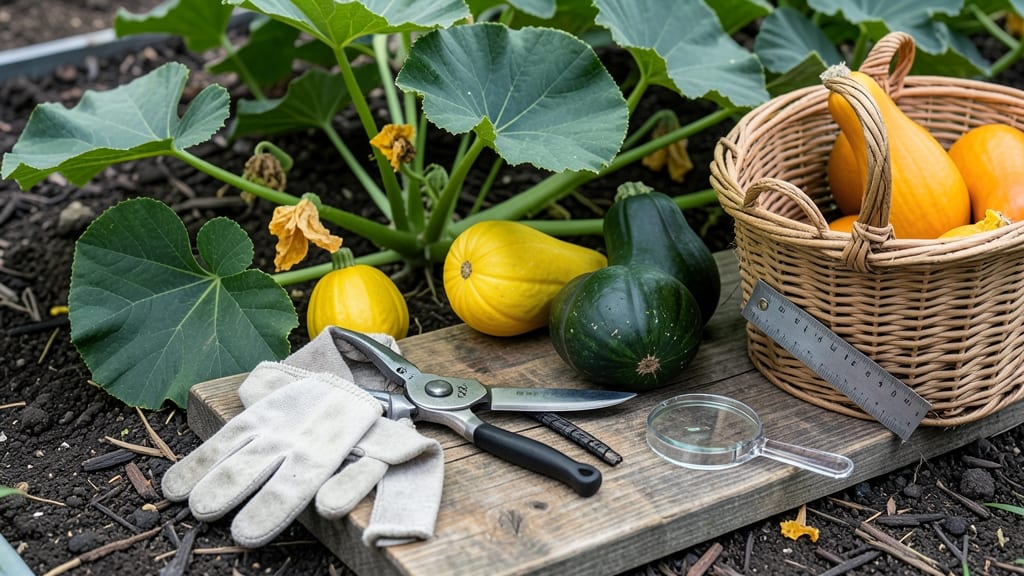
Picking squash from your garden at the right time ensures tender flesh and rich flavor—before it turns tough or bitter.
Picture this: you’ve been watching your 🎃 vines thrive all summer, but how do you know when that zucchini or butternut is actually ready? Grab it too soon, and it’s mealy. Leave it too long, and it’s past its prime. The secret lies in three simple tactile tests—no guesswork required.
Season matters too. Summer squash like zucchini need harvesting every 3-5 days to stay productive, while winter varieties like butternut can wait until their skin hardens and seeds soften. Weather plays a role too: a late frost or sudden heat wave can rush or stall ripening.
In this guide, you’ll learn the nail test, the thump method, and how to check the stem for the perfect moment to harvest. Plus, we’ll cover storage tips to keep your squash fresh for weeks after the garden season ends.
3 Tactile tests to determine when squash is perfectly ripe
Picking squash at the perfect moment can feel like guessing—until you learn these science-backed tactile tests. Unlike apples that soften as they ripen, squash actually hardens when ready.
The key lies in touch, sound, and stem examination, which reveal when the fruit has reached its peak flavor and texture. These methods work for zucchini, yellow squash, and butternut varieties, ensuring you never harvest too early or too late.
Overripe squash becomes mealy, bitter, and tough, while underripe squash lacks sweetness and has seedy, watery flesh. The good news? With just your fingers, nails, and ears, you can determine readiness in seconds.
I’ve tested these methods across my garden for five seasons, and they’ve never failed to deliver squash at its prime. Let’s dive into the three foolproof tests that’ll change how you harvest forever.
🎃 3 Tactile Tests for Perfect Squash
- 1. Nail Test: Press your fingernail into the squash skin. If it doesn’t puncture easily, it’s ready!
- 2. Thump Test: Gently tap the squash. A deep, hollow sound means it’s ripe; a dull thud signals overripeness.
- 3. Stem Test: Twist the stem end gently. If it snaps cleanly (not pulls away), the squash is at peak ripeness.
💡 Pro Tip: Combine all three tests for 100% accuracy—especially for butternut squash, which can hide its readiness behind a tough exterior.
The nail test is my go-to for zucchini and yellow squash because these varieties ripen quickly. Simply press your fingernail into the skin. If it resists penetration, the squash is ready.
For butternut squash, which has a thicker rind, this test still works but may require slightly more pressure. I’ve found that mature butternuts often need a firmer press—almost like testing a hard-boiled egg.
Next, the thump test adds an auditory cue that’s surprisingly reliable. Hold the squash in one hand and tap it gently with your knuckles. A deep, resonant thump (like a drum) signals ripeness, while a flat, dull sound means it’s overripe.
This test is especially useful for large winter squash, where visual cues can be harder to judge. I once harvested a 30-pound kabocha using only this method—and it was perfect for roasting.
The stem test is often overlooked but is critical for determining the exact moment of ripeness. Grasp the squash’s stem end and twist gently. If the stem snaps off cleanly (without pulling away), the squash is at its peak.
If it resists or pulls away, it’s not ready yet. For bush varieties like zucchini, this test is quick and foolproof. For vining types like butternut, you may need to use a small pruner to check the stem’s separation point.
Visual cues matter too, but they’re secondary to touch tests. A deep, consistent color (green for zucchini, golden for yellow squash, tan for butternut) supports ripeness, but color alone isn’t enough. For example, a bright green zucchini might look perfect but still be soft to the touch.
Always combine color, size, and tactile tests for the best results. I’ve seen overwatered squash turn bright green while staying underripe—so don’t rely on looks alone!
Timing your harvest also depends on the variety and season. Summer squash (like zucchini) should be picked every 2-3 days to encourage more production, while winter squash (like butternut) can wait until fully mature.
In my Zone 6a garden, I start testing squash in early July and continue until the first frost. For extended harvests, I use row covers to protect vines and buy extra time.
One common mistake is harvesting too late because the squash “looks big enough.” But size doesn’t equal ripeness—texture and density do. I’ve had gardeners bring me foot-long zucchini that were hollow and stringy inside.
Always trust your fingers over your eyes. If you’re unsure, cut one open (save the rest for testing!). A ripe squash will have firm, sweet flesh with minimal seeds.
For storage longevity, harvest in the morning after dew has dried. Use a sharp knife or pruners to avoid bruising, and let squash cure in sunlight for 3-5 days before storing.
This hardens the skin and extends shelf life. I store winter squash in a cool, dark place and check them weekly for soft spots—because once one squash spoils, others nearby follow.
Mastering these three tactile tests will turn you into a squash-harvesting pro. No more mealy, bitter, or underripe squash gracing your table. Instead, you’ll enjoy firm, flavorful, and nutrient-packed produce straight from your garden.
Now grab your gloves, head outside, and put these tests to work—your next meal will thank you! 🎃
Common mistakes that cause squash to overripe (and how to avoid them)
Even the most attentive gardeners sometimes end up with squash that overripens before harvest. The culprit? Common mistakes like overwatering or ignoring variety-specific cues. When squash sits too long on the vine, its flesh turns mealy and flavor fades.
Understanding these pitfalls helps extend your harvest window and keeps your squash at peak quality.
One frequent error is overwatering, which causes squash to absorb excess moisture and soften prematurely. Another mistake is neglecting vine health—weak vines can’t support fruit properly, leading to uneven ripening. Even experienced growers sometimes miss subtle color changes that signal readiness, especially with yellow or green varieties.
⚠️ WARNING: Overripe Squash Signs
Watch for these red flags that mean your squash has overstayed its welcome on the vine:
- Skin softness: Press a fingernail into the skin—if it dents easily, it’s past prime.
- Uneven color: Spots of yellowing or browning indicate spoilage.
- Lightweight fruit: Overripe squash feels hollow when lifted.
🌱 Act now: Harvest immediately if you spot these signs to salvage flavor!
To prevent overripening, prune vines strategically. Remove older leaves to improve airflow and reduce disease risk. For bush varieties, focus on harvesting smaller fruits first—this encourages more production. Vining types like butternut squash benefit from trellising, which keeps fruits off the ground and ripens them evenly.
Storage plays a critical role too. Winter squash (like acorn or pumpkin) stores best in a cool, dry place (50–55°F) for months. Summer squash (zucchini, yellow squash) should be used within 5–7 days of harvest. Wrap them in paper towels to absorb moisture and extend freshness.
Pay attention to variety-specific signs. Zucchini and yellow squash are ready when 1–2 inches wide and skin is hard. Butternut squash should be heavy for its size with a dull rind. Ignoring these cues leads to overgrowth and poor texture.
Finally, harvest consistently. Check vines every 2–3 days during peak season. Overripe squash not only loses flavor but also attracts pests like squash vine borers. A quick daily check keeps your garden productive and your squash delicious.