
Picking
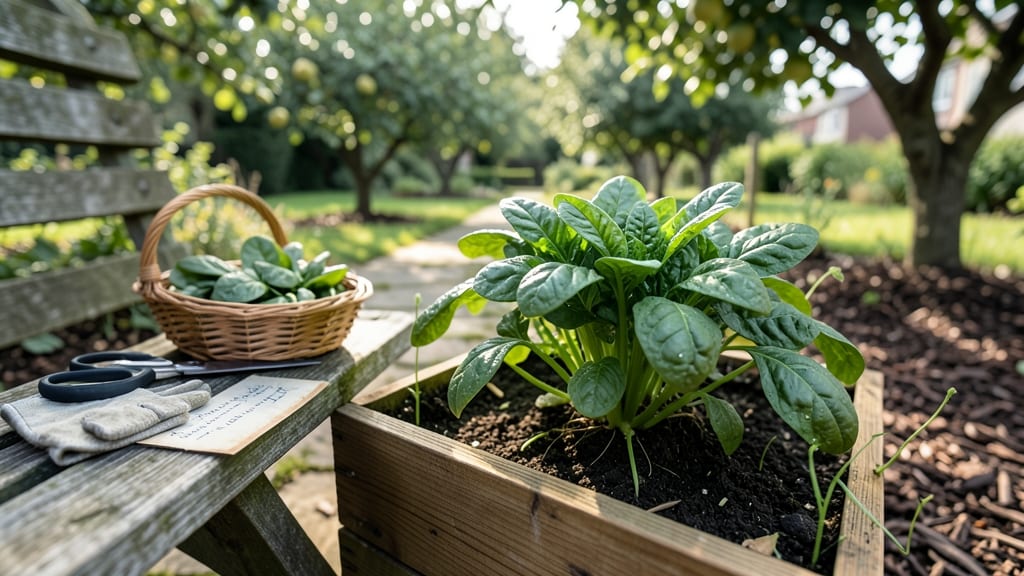
To pick spinach from your garden at the perfect time means harvesting tender, sweet leaves instead of tough, bitter ones 🥬 — and the difference is all in the timing.
Harvesting spinach at the wrong time can turn your homegrown bounty into bitter, tough leaves—so knowing exactly when to pick is the secret to restaurant-quality flavor right in your garden.
Most gardeners miss the ideal window because they don’t recognize the visual cues: leaves that are 4-6 inches long, bright green, and still tender enough to snap easily. Wait too long, and you’ll end up with bolted plants that taste like grass.
Below, I’ll show you the 3 key signs your spinach is ready, how to extend your harvest season, and the best cutting techniques to keep your plants producing for weeks.


3 Visual cues to harvest spinach at peak flavor
Harvesting spinach at the wrong time can turn your homegrown bounty into bitter, tough leaves—so knowing exactly when to pick is the secret to restaurant-quality flavor right in your garden.
The difference between tender, sweet leaves and woody, bitter ones often comes down to three simple visual cues: leaf size, color, and stem thickness. Master these, and you’ll enjoy a continuous harvest of delicious greens all season long.
First, let’s address the biggest mistake I see in home gardens: waiting too long. Many gardeners assume bigger leaves mean better flavor, but overgrown spinach becomes fibrous and tough. The key is to harvest when leaves are large enough to eat but still tender enough to enjoy.
This balance ensures you get the best flavor while keeping your plants productive for weeks.
Here’s the game-changer: spinach leaves should be 4-6 inches long when harvested for peak flavor. Any shorter, and you’re missing out on full development; any longer, and the leaves start to toughen. Pair this with the right color and stem thickness, and you’ll never overlook a perfect harvest again.
🌱 Numbered Highlights: Your Spinach Harvest Checklist
- 1. Leaf Size: Harvest when leaves reach 4-6 inches long. For baby spinach, aim for 2-3 inches—these are perfect for salads and can be harvested in just 30-40 days.
- 2. Color: Look for bright, vibrant green leaves. Yellowing or pale leaves signal nutrient deficiency or overmaturity. Savoy varieties should have deep, crinkled texture without browning.
- 3. Stem Thickness: Pinch the stem between your fingers—it should feel soft and pliable, not thick or woody. Thick stems mean the leaf is past its prime and will be tough to chew.
- Bonus Cue: Avoid harvesting leaves that are bolting (sending up flower stalks). Once spinach bolts, the leaves become bitter and inedible. If you see yellow flowers, it’s time to pull the whole plant.
- Pro Tip: Harvest outer leaves first, leaving the inner leaves to keep growing. This method extends your harvest by 3-4 weeks and keeps your plants productive longer.
Now, let’s talk about color, because this is where many gardeners miss the mark. The ideal spinach leaf should be a vibrant, deep green. If your leaves are turning yellow or pale, it’s a red flag—they’re either nutrient-deficient or overripe.
For savoy varieties, like 'Tyee' or 'Giant Winter', the leaves should have a rich, crinkled texture without any brown spots. These visual cues tell you the leaves are at their peak for both flavor and texture.
Don’t overlook the stem thickness—this is your secret weapon for avoiding tough, fibrous leaves. When you pinch the stem, it should feel soft and flexible, almost like a fresh celery stalk.
If it’s thick or woody, the leaf has passed its prime and will be difficult to chew. Thick stems also indicate the plant is stressed or overmature, which can lead to bitterness. Harvesting at the right stem thickness ensures you get the tender, sweet flavor you crave.
One of the most common mistakes I see is harvesting spinach that’s already bolting. Bolting happens when spinach sends up a flower stalk, usually triggered by heat or long days. Once this happens, the leaves become bitter and stringy, making them inedible.
To avoid this, always check for flower buds or stalks before harvesting. If you spot them, it’s time to pull the entire plant and start fresh with a new batch.
For continuous harvests, focus on outer leaves first. This method is called cut-and-come-again harvesting, and it’s a game-changer for spinach. By snipping the largest, outermost leaves, you allow the inner leaves to keep growing.
This technique can extend your harvest by 3-4 weeks and gives you a steady supply of fresh greens. Just be sure to leave at least 2-3 inches of growth at the base so the plant can regenerate.
Timing your harvests also depends on the spinach variety you’re growing. Baby leaf spinach, like 'Baby’s Leaf Hybrid', can be harvested in just 30-40 days when leaves are 2-3 inches long.
In contrast, mature leaf varieties, such as 'Bloomsdale Long Standing', take 45-60 days to reach their ideal harvest size. Knowing your variety’s growth timeline helps you plan for the best flavor and yield.
Finally, always harvest in the morning when temperatures are cool. This ensures the leaves are crisp and hydrated, not wilted from the heat of the day. After harvesting, rinse the leaves gently under cool water to remove dirt, then store them in a perforated plastic bag in the fridge.
With these tips, you’ll enjoy restaurant-quality spinach straight from your garden all season long.
Spinach variety harvest times: baby vs. mature leaves
Not all spinach varieties mature at the same rate, and harvesting at the wrong stage can ruin your crop. Baby leaf spinach reaches peak tenderness in just 30-40 days, while traditional varieties may take 45-60 days to fully mature.
Understanding these differences helps you plan for continuous harvests and avoid bitter, fibrous leaves.
Savoy spinach varieties, known for their crinkled leaves, often mature slightly slower than smooth-leaf types. Meanwhile, baby spinach (like 'Baby's Leaf' or 'Tyee') is intentionally harvested young for delicate flavor. Knowing these timelines lets you tailor your harvest strategy to maximize yield and flavor throughout the season.
| Variety Type | Time to Harvest | Leaf Size | Harvest Window | Best For |
|---|---|---|---|---|
| Baby Leaf Spinach | 30-40 days | 2-4 inches | Multiple cuts | Salads, microgreens |
| Savoy Spinach | 45-55 days | 6-8 inches | Single harvest | Cooked dishes |
| Flat-Leaf Spinach | 40-60 days | 4-6 inches | Multiple cuts | Versatile use |
For continuous harvests, focus on baby leaf varieties like 'Bloomsdale Long Standing' or 'Giant Winter'. These can be harvested multiple times by snipping outer leaves when they reach 2-4 inches.
In contrast, savoy types like 'Tyee' or 'Space' are best harvested all at once when fully mature to avoid tough, stringy textures.
Extend your spinach harvest by succession planting every 2-3 weeks in spring and fall. This staggered approach ensures you always have fresh leaves ready to pick.
For example, plant one batch in early spring, another in late summer, and a final batch in early fall to enjoy spinach throughout the growing season.
Watch for bolting signs like flower stalks or bitter taste, which signal the end of a plant's productive life. If you notice these, harvest immediately or pull the plant to make room for new seedlings.
Proper spacing and consistent moisture help delay bolting, giving you more time to enjoy tender leaves.
Remember, cooler temperatures slow spinach's growth, so early spring and fall harvests tend to be sweeter. In hot weather, spinach bolts quickly, so prioritize shade and consistent watering to keep plants productive. With these strategies, you can enjoy fresh spinach from your garden for months!