
Picking
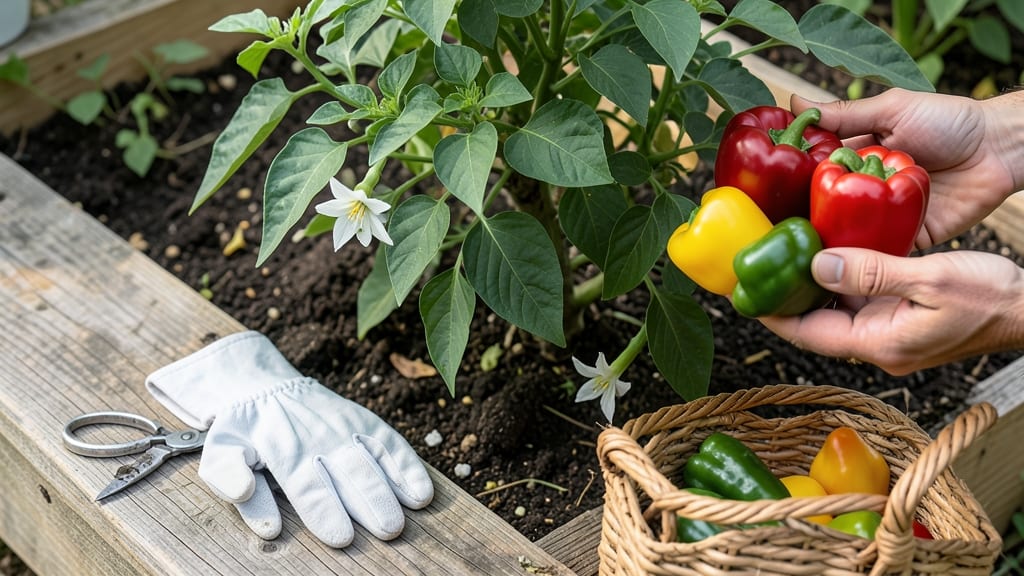
To pick peppers from your garden at the perfect moment means capturing their peak flavor and avoiding the bitter disappointment of waiting too long.
Picking peppers at the wrong time can mean the difference between a sweet, flavorful harvest and a bitter, underripe disappointment—so timing is everything. Whether you’re growing 🌶️ bell peppers or fiery jalapeños, knowing when to harvest ensures the best taste and texture.
Most gardeners focus on color as the key sign, but ripeness is also about size, firmness, and even the plant’s maturity. A deep red bell pepper or a fully glossy habanero isn’t just visually stunning—it’s packed with the best flavor your garden can offer.
In this guide, I’ll break down the exact cues to watch for, from color changes to stem signals, plus how temperature and variety affect your harvest. By the end, you’ll know exactly when to snip for that perfect, restaurant-quality pepper every time.


Peppers ripeness stages by color: when to harvest for best flavor
Picking peppers at the wrong stage can ruin their flavor and texture. Most gardeners focus on color changes, but understanding the full ripeness spectrum ensures you harvest at peak sweetness or heat.
For example, a green bell pepper picked too early will taste bland, while a red jalapeño left too long may become mealy. Let’s break down each stage by color and when to harvest for the best results.
Peppers start as green when unripe, but their journey doesn’t end there. Some varieties develop into yellow, orange, or red hues, each marking a shift in flavor and sugar content. For instance, a red bell pepper contains nearly 3x more vitamin C than its green counterpart.
Knowing these stages helps you decide whether to harvest early for fresh eating or wait for full ripeness for storage and cooking. Let’s explore each stage in detail.
Color isn’t the only factor—texture, size, and even the plant’s energy also play roles. A pepper might turn red but still feel soft or shriveled, signaling it’s past its prime. Conversely, a green pepper can be perfectly ripe if firm and glossy. Below, you’ll find a color-coded ripeness chart to guide your harvest timing, along with tips on how to test readiness beyond just looking at the hue.
| Stage | Color | Flavor Profile | Best For | Harvest Time |
|---|---|---|---|---|
| Unripe | Green | Mild, slightly bitter | Fresh eating, pickling | When firm and glossy |
| Early Ripening | Yellow/Orange | Sweeter, less heat | Salads, roasting | Fully colored, firm skin |
| Fully Ripe | Red/Purple | Sweetest, highest vitamin C | Storage, cooking | Deep color, slight give |
| Overripe | Dull, wrinkled | Mealy, bland | Avoid | Remove immediately |
The green stage is where most peppers begin, but it’s not always their final form. If you’re growing bell peppers, you can harvest them green for a crisp, fresh snack, but waiting for red will give you a sweeter, richer taste.
For jalapeños or serranos, green peppers are still spicy but less intense than their mature counterparts. Always check for firmness and glossiness—a dull or soft pepper is past its prime.
When peppers shift to yellow or orange, they’re signaling the next ripening phase. This stage is ideal for varieties like yellow wax peppers or orange habaneros, where the color change indicates peak sweetness.
These peppers are perfect for grilling or stuffing because they hold their shape better than fully ripe ones. If you’re unsure, gently squeeze the pepper—it should yield slightly but not feel mushy. A slight aroma at the stem is another sign of readiness.
Red peppers are the crowning glory of the ripening process, offering the sweetest and most nutrient-dense harvest. For bell peppers, red means up to 10x more beta-carotene than green. However, not all peppers turn red—some stay green (like banana peppers) or shift to purple (like shishito peppers). Always harvest red peppers when they’re fully colored and slightly softer than their green counterparts. If left too long, they’ll become wrinkled and mealy, losing flavor and texture.
Some gardeners make the mistake of waiting too long for peppers to ripen fully, especially in cooler climates. If temperatures drop below 50°F (10°C), peppers may stop ripening altogether. In such cases, harvest at the yellow or orange stage and let them ripen indoors on a sunny windowsill.
For hot peppers like habaneros, ripening indoors can even intensify their heat. Always monitor your plants and adjust your harvest timing based on weather conditions.
Storage potential also varies by ripeness stage. Green peppers store well in the fridge for 1-2 weeks, while fully ripe red peppers last only 5-7 days before becoming soft. If you’re not ready to use them, consider freezing or drying peppers at their peak ripeness.
For example, red bell peppers freeze beautifully for later use in soups or sauces, retaining their sweetness and color. Always remove stems and seeds before storing to extend shelf life.
Pro tip: Use a sharp pair of pruning shears to harvest peppers cleanly, leaving a small stem attached. This prevents damage to the plant and encourages more fruit production. Avoid pulling peppers off the vine, as this can uproot the plant or leave jagged stems that invite pests.
If you’re growing multiple varieties, keep a harvest journal to track ripening stages and flavor profiles—this helps you refine your timing for future seasons.
Remember, every pepper variety has its own ripening timeline. While bell peppers typically take 75-90 days to mature, a jalapeño might be ready in just 60-70 days. Pay attention to the plant’s growth habits and adjust your harvest schedule accordingly.
With practice, you’ll develop an eye for the perfect moment to pick, ensuring every pepper you bring inside is bursting with flavor.
How to test pepper ripeness beyond color: 3 key signs you’re missing
Color is the first cue most gardeners rely on to judge pepper ripeness, but it’s not always accurate. Environmental stress, variety differences, or even uneven sunlight can trick you into picking too early—or leaving peppers on the vine too long.
To avoid this, I’ve learned to check three hidden ripeness signs that reveal when peppers are truly ready for harvest.
These subtle clues—size consistency, skin firmness, and stem separation—give you a foolproof way to determine ripeness, regardless of color. Skipping these checks can lead to underripe peppers that taste bland or overripe ones that become mealy and lose flavor.
Let’s dive into the three critical ripeness tests I use every harvest season.
Compare to variety standards
Peppers should reach their mature size for the variety. For example, jalapeños are ready at 2-3 inches, while bell peppers need 3-4 inches. Use a ruler to measure—if it’s smaller, wait a few days.
Gentle thumb pressure reveals readiness
Press a pepper lightly with your thumb. It should feel slightly firm but not rock-hard. If it dents easily, it’s overripe. If it’s too firm, wait 3-5 days for full ripening.
The easiest ripeness test
Gently twist the pepper at its stem. If it snaps cleanly with minimal resistance, it’s ready to pick. If the stem resists or tears, wait 1-2 more days. This is my go-to test!
One mistake I used to make was picking peppers based solely on color, especially with hot pepper varieties like habaneros. Their color can fade under direct sunlight, making them look underripe when they’re actually perfect. Always combine color cues with these three tests for the most accurate results.
Another pro tip: Harvest in the morning when peppers are cool and firm. This reduces bruising and gives you the best chance to spot these ripeness signs. If you’re growing multiple pepper varieties, keep a small notebook to track which ones ripen fastest—this helps prevent overripe surprises!
Remember, overripe peppers lose sweetness and texture, while underripe ones can be tough and bitter. By mastering these three tests, you’ll always know exactly when to pick peppers for the best flavor and texture—no guesswork required. Happy harvesting! 🌶️