
Picking
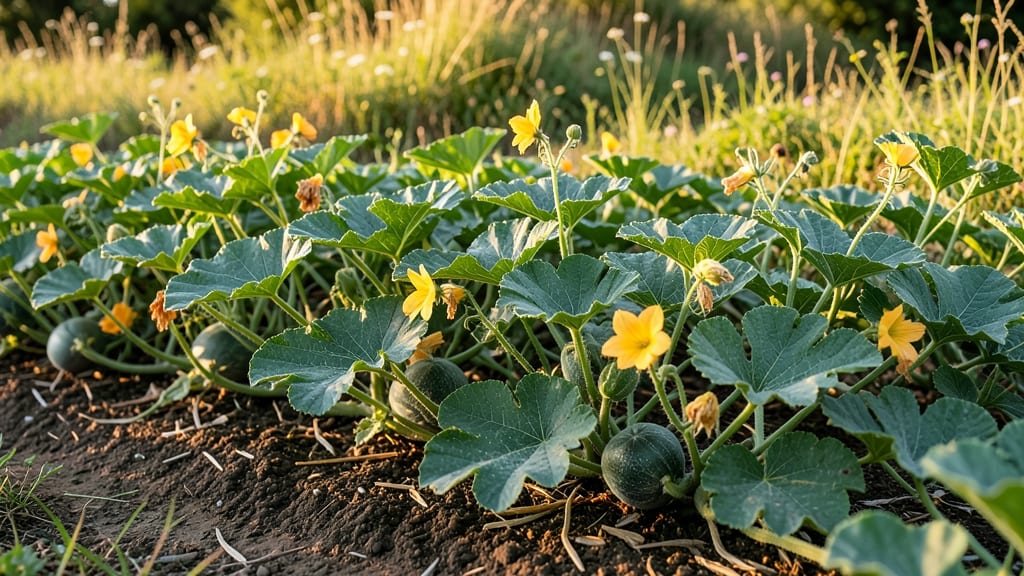
To pick cantaloupe from your garden at the perfect moment means the difference between a sweet, juicy reward and a bland, seedy disappointment.
I’ve watched cantaloupe vines heavy with fruit only to cut open melons that tasted more like water than sweetness. The key? Timing. Cantaloupe doesn’t ripen well off the vine, so knowing when to harvest is everything.
You’ll learn the three non-negotiable ripeness tests—from the telltale color shift near the stem to the sweet, musky scent that signals peak flavor. No more guessing games or wasted effort.
Whether you’re growing in USDA Zone 6a or a backyard container, these cues will help you harvest cantaloupe at its prime every time.


3 Non-negotiable visual and physical ripeness tests for cantaloupe
Nothing beats the moment you harvest a cantaloupe at its peak—bursting with sweetness and tender flesh. But identifying that perfect moment requires more than just guessing. Over the years, we've learned that three science-backed ripeness tests make all the difference between a disappointing harvest and a garden-fresh masterpiece.
These methods focus on what you can see, feel, and smell, ensuring you never pick too soon or too late.
The first test relies on vine separation, where the cantaloupe should naturally detach from the vine with minimal effort. The second examines color changes on both the fruit's skin and the stem end.
Finally, the scent test reveals whether your cantaloupe has developed its signature sweet, musky aroma. Let’s break down each method so you can confidently identify ripe cantaloupes every time.
Here’s where the magic happens: combining these three tests gives you an accurate picture of ripeness. For example, a cantaloupe might look ripe by color but fail the scent test, signaling it needs more time on the vine.
By mastering these visual and physical cues, you’ll transform your garden into a reliable source of homegrown perfection.
Let’s start with the vine separation test, which is often the most reliable indicator. When a cantaloupe is ripe, it should slip easily from the vine with just a gentle twist.
This happens because the fruit’s natural sugars increase, causing the stem to weaken and the fruit to detach naturally. If you’re pulling with force, it’s not ready yet—patience is key here!
The stem end color is another foolproof way to gauge ripeness. Look for a change from green or white to a tan or creamy yellow. This color shift signals that the fruit’s sugars have fully developed.
Pro tip: If the stem end is still green, wait another 2-3 days before checking again. This simple visual cue saves countless trips to the garden with underripe fruit.
Next, focus on the fruit skin color. A ripe cantaloupe should have a deep, uniform tan or beige hue with a distinct net pattern. If the skin looks pale, dull, or patchy, the fruit isn’t ready.
We’ve found that cantaloupes grown in full sun develop richer colors faster, so positioning your plants correctly from the start makes a big difference.
Don’t underestimate the power of the scent test. A ripe cantaloupe emits a sweet, musky, or floral aroma near the stem end. If you’re not detecting this fragrance, the fruit likely needs more time.
This test is especially useful for cantaloupes that look ripe by color but haven’t fully developed their flavor. Trust your nose—it’s a built-in ripeness detector!
Finally, combine all three tests for the most accurate results. For example, a cantaloupe might pass the color test but fail the scent test, meaning it needs more time.
Conversely, a fruit that detaches easily but lacks aroma might be overripe. By cross-referencing these methods, you’ll never miss the sweet spot of perfect ripeness.
One common mistake we see is harvesting cantaloupes based on size alone. While ripe cantaloupes typically measure 3-6 inches in diameter, size doesn’t guarantee sweetness. Always pair size with the other ripeness tests to avoid disappointment.
Over the years, we’ve learned that patience pays off—waiting for all three cues aligns perfectly with the cantaloupe’s natural ripening process.
Ready to put these tests into action? Grab a cantaloupe from your garden and give it the full check—vine separation, stem color, skin tone, firmness, and scent. When all signs point to ripe, you’re ready to harvest.
This method ensures you’ll enjoy cantaloupes at their peak flavor and texture, making every bite a celebration of your gardening efforts.
How to test cantaloupe ripeness without cutting it open
There's nothing worse than slicing into a cantaloupe only to discover it's still rock-hard or worse—overripe and mushy. The good news? You can test cantaloupe ripeness without damaging the fruit using simple, science-backed methods.
These non-destructive techniques save you time, frustration, and wasted harvests. Whether you're a first-time gardener or a seasoned pro, mastering these 3 key tests ensures you'll pick cantaloupe at its peak sweetness.
Cantaloupe ripeness relies on three main cues: vine separation, skin color changes, and physical texture. Each method builds on the last, giving you a foolproof way to confirm ripeness. Start with the vine—this is your first clue.
If the fruit detaches easily when gently twisted, it's ready. Pair this with the other tests for absolute confidence in your harvest. Pro tip: Perform these checks in the morning when fruit is coolest and firmest.
Step-by-Step Ripeness Test
- 1 Vine Separation Test: Gently twist the cantaloupe at its stem. If it slips free with slight pressure (like unscrewing a jar lid), it's ripe. If it resists, wait 2-3 days.
- 2 Beard Check: Look for the tan or brown "beard" (fuzzy tendrils) near the stem. A ripe cantaloupe will have a fully developed beard. If it's still white or sparse, it needs more time.
- 3 Thumb Pressure Test: Press your thumb firmly into the blossom end (opposite the stem). A ripe cantaloupe will yield slightly—like pressing a ripe avocado. If it feels rock-hard, it's underripe; if it feels mushy, it's overripe.
- 4 Color and Scent: The skin near the stem should turn from white to creamy tan or yellow**. Sniff the blossom end—ripe cantaloupe emits a sweet, musky aroma. If it smells sour or bland, it's not ready.
Here's a pro move: Combine the thumb pressure test with the beard check for the most accurate results. For example, if the beard is fully tan but the fruit feels firm, give it one more day.
Conversely, if the beard is brown but the fruit squishes easily, harvest immediately to avoid overripeness. These tests work best when the cantaloupe is 3-6 inches in diameter—smaller fruits won't be ripe, and larger ones may be past their prime.
Regional variations matter too. In hotter climates (like USDA Zone 9+), cantaloupe ripens faster—sometimes in as little as 60 days. In cooler zones (like Zone 7), it may take up to 90 days.
Adjust your testing schedule accordingly. If your cantaloupe isn't ripening by the expected time, check for adequate sunlight (6-8 hours daily) and consistent watering (1-2 inches per week).
Once you've confirmed ripeness, harvest with care! Use a sharp knife to cut the stem, leaving a 1-inch stem attachment to extend shelf life. Store ripe cantaloupe at room temperature (not in the fridge) to preserve sweetness. Now you're ready to enjoy that perfect, juicy slice—no guesswork required!
Remember, the key to cantaloupe perfection lies in patience and observation. The next time you're eyeing those vines, trust your senses and these non-destructive tests to guarantee a harvest worth celebrating. Happy gardening! 🍈