
Picking
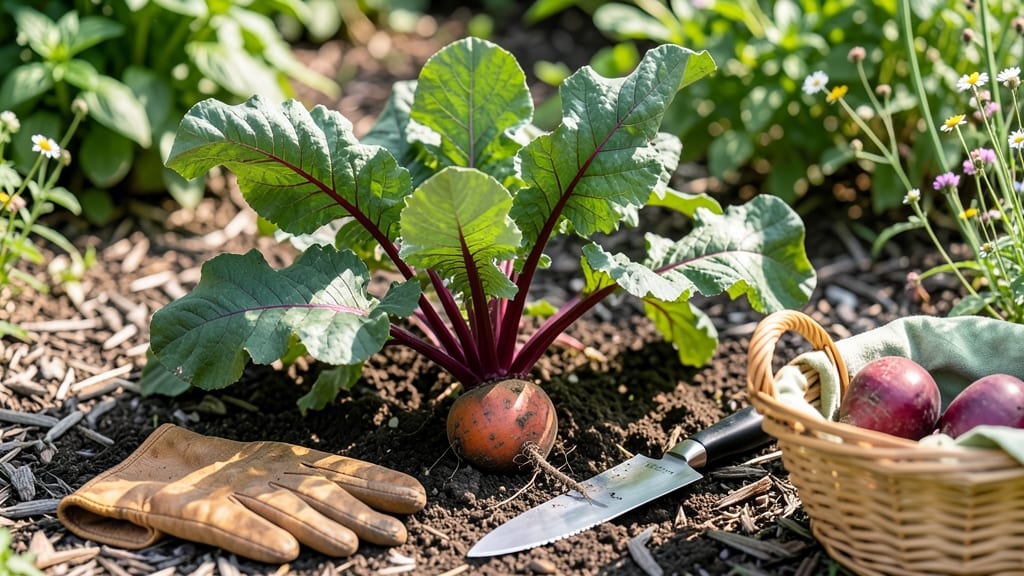
To pick beets from your garden at their sweetest, aim for 50 to 70 days after planting when roots reach 1 to 3 inches in diameter.
Harvesting beets at the wrong time can turn your garden’s sweetest rewards into bland, woody disappointments—here’s how to master the perfect picking window.
Look for vibrant color and firm roots, but don’t wait too long, or the texture turns tough. The key is balancing size, color depth, and leaf health to lock in peak flavor.
Below, I’ll walk you through the exact visual cues—from root diameter to leaf stress signs—and share a simple taste-test method to confirm they’re ready.


How to determine when beets are ready for harvest by size and color
Knowing exactly when to harvest your beets transforms your garden into a treasure trove of sweet, tender roots. The key lies in watching for three critical signs: root size, color intensity, and leaf health.
Each variety—whether golden, deep red, or chioggia—has its own timing cues, but these universal markers ensure you never miss the perfect moment.
I’ve learned that harvesting too early means watery, underdeveloped roots, while waiting too long leads to tough, woody textures that ruin even the most flavorful varieties.
For most gardeners, the sweet spot arrives when beet roots reach 1 to 3 inches in diameter. This range covers both baby beets (harvested at the smaller end) and full-sized varieties.
The color progression is equally telling: roots should develop a deep, consistent hue—whether that’s ruby red, golden yellow, or the striking stripes of chioggia beets. Ignoring these visual cues can leave you with beets that lack the vibrant flavor you’ve worked so hard to cultivate.
Variety-specific timing matters too. Golden beets, for example, often mature slightly faster than their red counterparts, while chioggia’s swirled patterns take a bit longer to fully develop. Paying attention to these differences ensures you don’t pull beets prematurely just because they’re the first to show color. My garden’s golden beets are usually ready in about 50 days, while red varieties take closer to 60 days under ideal conditions.
| Beet Variety | Ideal Size | Root Color | Leaf Health | Days to Harvest |
|---|---|---|---|---|
| Golden Beets | 1.5–2.5 inches | Deep golden yellow | 6–10 inches tall, dark green | 45–55 days |
| Red Beets | 2–3 inches | Deep red/purple | 8–12 inches tall, glossy | 50–60 days |
| Chioggia Beets | 2–3 inches | White with red stripes | 10–14 inches tall, vibrant | 55–65 days |
| Baby Beets (All) | 1–1.5 inches | Faint but true color | 4–6 inches tall, healthy | 30–40 days |
The leaf health of your beets is another critical indicator. When the greens reach 6 to 12 inches tall and appear lush and dark, it’s often a sign the roots below are ready.
However, if the leaves start to yellow or wilt, it may mean the beet has outgrown its space or is struggling—time to harvest before the flavor declines. I’ve noticed that in hotter climates, leaves can show stress even when roots are perfect, so always dig one up to check.
Don’t overlook the texture test—a simple but effective trick. Gently squeeze the root through the soil with your fingers. If it feels firm but still tender (like a ripe avocado), it’s ready. If it’s rock-hard or spongy, it’s past its prime.
This tactile check has saved me from harvesting beets that were either too young or had turned woody. For varieties like chioggia, the stripes should be fully visible and crisp, not blurred or faded.
Seasonal timing also plays a role. In spring plantings, beets often mature faster due to cooler soils, while fall harvests can take slightly longer as temperatures drop. I’ve found that late summer plantings in my zone (6a) sometimes produce sweeter beets because the roots develop under milder conditions.
Always adjust your expectations based on your local climate—what works in one region might not in another.
One common mistake I see is harvesting based solely on days after planting. While seed packets provide estimates, they’re just guidelines. Soil conditions, rainfall, and temperature fluctuations can all shift the timeline. For example, a dry spell might slow root growth, while consistent moisture can speed
The taste-test method: how to check sweetness before harvesting
Even when your beets meet the ideal size and color, their true sweetness potential can only be confirmed with a simple taste-test. This sensory method reveals subtle differences between varieties and growing conditions that visual cues alone might miss.
I’ve used this approach for years to ensure my golden, red, and chioggia beets reach peak flavor before they hit the kitchen.
Start by selecting a representative sample—one beet from each variety if you’re growing multiple types. Gently dig it up, brushing away excess soil to reveal its true skin texture and root shape. Look for a firm, taut skin without cracks or soft spots, which signal overmaturity or stress.
🌱
⚠️ Warning: False Signals of Sweetness
Don’t rely solely on size or color—beets grown in poor soil or under stress may appear ready but taste bland or woody. Always perform the taste-test on at least 3 samples before committing to a full harvest. Overmature beets develop hard, fibrous cores and lose their natural sweetness, while underripe ones lack depth of flavor.
Next, cut a thin slice from the root’s shoulder (the widest part) and examine its internal ring formation. Perfectly sweet beets show concentric rings that are evenly spaced and vibrant in color.
If the rings are uneven or pale, your beets may need more time in the ground—or your soil might need a nutrient boost.
Now for the critical step: taste! Cut a small piece and sample it raw. A perfectly sweet beet should taste rich and earthy with minimal bitterness. If it tastes mild or grassy, it’s likely underripe.
Conversely, a sharp or bitter flavor signals overmaturity. Pro tip: Golden beets should have a carrot-like sweetness, while red varieties lean toward a deeper, almost molasses-like taste.
Texture matters too. Press the beet with your thumb—it should yield slightly but feel firm to the touch. A mushy texture means it’s past its prime, while a spongy feel suggests it was harvested too early.
For the most accurate test, sample beets at different times of day—morning harvests often taste sweeter due to lower soil moisture levels.
If your taste tests reveal inconsistencies, adjust your harvest window by 2–3 days and retest. For example, if your chioggia beets (with their stunning rings) taste flat, they may need another week in the ground.
Conversely, if they’re overly bitter, harvest immediately and use them in cooked dishes where sweetness can be enhanced.