
How To
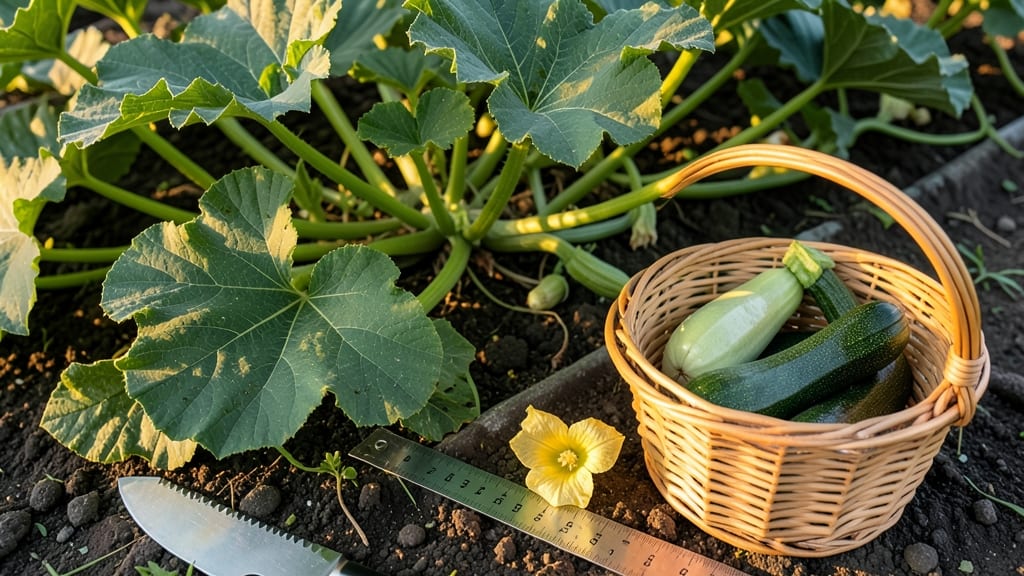
Harvesting zucchini at the right moment turns your garden’s 🎃 bounty into tender, flavorful perfection.
Picking too early means tough, underdeveloped fruit, while waiting too long delivers rubbery, seedy disappointment. The difference between a delicious summer harvest and a sad pile of overgrown squash comes down to three simple tactile tests—size, skin firmness, and stem color.
Most varieties hit peak flavor at 6–8 inches long, with skin that yields slightly to gentle pressure and a deep, even color. Miss these cues, and you’ll end up with zucchini that’s either too small or too tough for the best dishes.
Below, I’ll walk you through the exact signs to watch for, plus how to keep your plants producing all season long—no guesswork required.


3 Tactile tests to determine perfect zucchini harvest time
Harvesting zucchini at the right moment means the difference between tender, sweet flesh and woody, seedy disappointment. Unlike many vegetables, zucchini ripens rapidly—sometimes within 24 hours—so daily checks are essential. The key lies in your hands: firmness, skin thickness, and seed development all signal readiness.
These tactile tests eliminate guesswork and ensure you pick zucchini when it's at its peak for both flavor and texture.
Many gardeners rely on size alone, but overlooking texture and seed maturity leads to bitter or fibrous zucchini. For example, a 7-inch zucchini with a thick skin might still be weeks away from optimal harvest, while a slightly smaller one with the right tactile cues could be perfect.
Understanding these three science-backed tests lets you harvest confidently—even when you're busy in the garden.
Press your thumbnail into the zucchini skin. If it resists slightly but yields (like firm but not hard), it's ready. Overly firm skin means wait 1-2 days.
Gently bend the stem near the fruit. A clean snap at the stem base indicates peak ripeness. If it bends without breaking, wait another day.
Cut a small slice near the blossom end. If the seeds are tiny and soft, harvest immediately. Large, developed seeds mean the zucchini has passed its prime.
Start with the skin resistance test—this is your first line of defense against underripe or overripe zucchini. For instance, my Black Beauty variety often fools me with its dark green skin while still needing a day or two.
The skin should feel slightly firm but not rock-hard, like a ripe avocado. Pro tip: Use your dominant hand's thumbnail for consistency in pressure.
The stem snap test is my favorite because it’s foolproof and requires no tools. A zucchini ready for harvest will separate cleanly from the vine with minimal force. I’ve learned the hard way that forcing a stubborn stem can damage the plant.
If the stem bends like a bow without snapping, it’s not ready yet—give it another 24-48 hours.
Don’t skip the seed cavity check, especially if you’re growing heirloom varieties like 'Costata Romanesco'. Large seeds indicate the zucchini has shifted energy from flesh to reproduction, making it stringy and less flavorful.
I once harvested a 12-inch zucchini with fully developed seeds, thinking it was perfect—only to be met with bitter disappointment.
Timing matters most in the morning after dew has dried. Zucchini skin is firmer in the heat of the day, which can skew your tactile tests. For example, a zucchini that passes all tests at 9 AM might fail by 3 PM due to sun-induced firming.
Always harvest early in the day for the most accurate results.
Keep a small harvest journal to track which tests work best for your climate. In my Zone 6a garden, zucchini often ripens 2-3 days faster in July’s heat than in June’s cooler temps.
Note the average days to maturity for your variety and adjust your tactile checks accordingly. For instance, 'Eight Ball' zucchini typically reaches harvest in 45 days, while 'Gold Rush' takes 55 days.
Overlooking these tactile cues can lead to wasted zucchini or reduced plant productivity. When you harvest too late, the plant stops producing new flowers and focuses on seed development. I’ve seen entire plants shut down after just one overripe zucchini was left hanging.
Stay consistent with your checks, and your zucchini plants will reward you with continuous harvests all season.
For storage vs. immediate use, prioritize the seed cavity test. Zucchini meant for long-term storage (like fermenting or freezing) can handle slightly larger seeds and firmer skin, but peak-flavor zucchini should always pass all three tests.
My rule of thumb: If it’s perfect for fresh eating, harvest it immediately—don’t wait for "just in case."
Now that you’ve mastered these tactile tests, your zucchini harvests will be consistently perfect. The next time you’re in the garden, take a moment to press, snap, and check—your taste buds will thank you. Happy harvesting! 🌱
How zucchini size affects flavor and texture (with size guidelines)
Zucchini flavor peaks when harvested at the right size—smaller means sweeter, while larger zucchini become tough and seedy. The ideal window is between 6–8 inches for most varieties, but heirlooms like 'Black Beauty' can stretch to 10–12 inches without sacrificing quality.
Understanding these size ranges ensures your harvest stays tender and delicious.
Size directly impacts texture: Underripe zucchini (under 6 inches) are mealy, while overripe ones (over 10 inches) develop thick skins and bitter seeds. Even heirloom varieties benefit from early picking—their larger potential size doesn’t mean you should wait.
Harvesting at the right moment keeps your plants productive and your meals flavorful.
| Variety Type | Ideal Size | Harvest Time | Best For |
|---|---|---|---|
| Standard (e.g., 'Black Beauty') | 6–8 inches | 45–55 days | Immediate cooking |
| Heirloom (e.g., 'Eight Ball') | 8–10 inches | 50–60 days | Storage or grilling |
| Mini (e.g., 'Patio Star') | 3–5 inches | 35–40 days | Salads or snacking |
| Overgrown (10+ inches) | 10–12 inches | 60+ days | Baking or seed saving |
For storage, harvest zucchini slightly larger (8–10 inches) to allow time for skin hardening. Store them in a cool, dry place—never refrigerate until fully mature. If you’re planning to cook immediately, stick to the 6–8 inch range for the best texture, whether you’re grilling, sautéing, or spiralizing.
Pro tip: Check the stem end for color—yellowing signals ripeness, while green means wait a few days. Overlooking this cue can lead to bitter, fibrous zucchini. Consistently harvesting at the right size also encourages your plants to produce more fruit, extending your harvest season.
If you’re growing heirloom varieties, they can handle larger sizes but still benefit from early picking. Their thicker skins make them better for roasting or baking, but even they lose sweetness if left too long on the vine. Aim for 10–12 inches max to balance flavor and texture.
Remember, zucchini flavor declines as they grow. The sweetest, most tender zucchini come from regular checks—don’t let them sneak past their prime! With these size guidelines, you’ll enjoy garden-fresh zucchini at its peak all season long. 🌱