
Vegetables
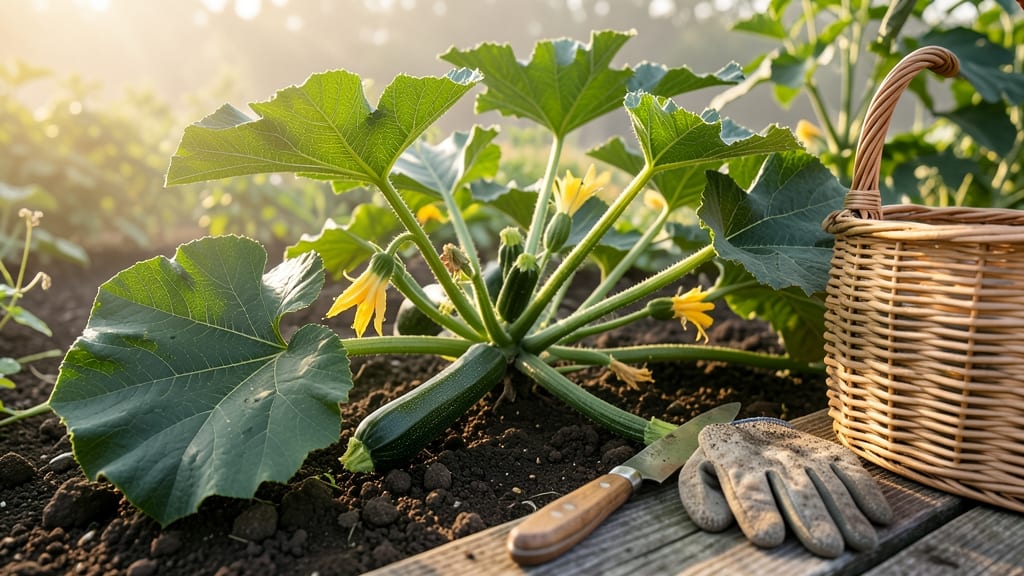
Harvesting zucchini at the right time means the difference between a tender, flavorful 🎃 and a tough, seedy disappointment.
Picture this: you’re checking your plants and suddenly realize they’ve ballooned from 6 inches to 12 inches overnight. That’s the classic sign you missed the window—and now you’re stuck with zucchini that’s more rubber than veggie.
But here’s the good news: with just a few simple tricks, you’ll never guess again.
Timing isn’t just about size, though. The skin’s firmness, the color’s depth, and even the stem’s snap all tell you exactly when to grab your shears. And yes, there’s a fingerwidth test that works every time, no ruler required.
Let’s break it down so you can enjoy that perfect harvest all summer long.
By the end, you’ll know not just when to harvest, but how to spot the ideal zucchini in your garden—before it’s too late. Ready to go from guesswork to garden confidence?
The 3 fingerwidth tests to harvest zucchini at peak ripeness
Harvesting zucchini at the perfect moment transforms your garden’s abundance from bland to bursting with flavor. The key? Using your fingers as a precision tool to measure ripeness.
Unlike guesswork based on size alone, these science-backed fingerwidth tests account for texture, seed development, and variety-specific traits to ensure you pick zucchini when it’s tender and sweet, not woody or seedy.
Most gardeners focus solely on length—6–8 inches is the classic rule—but this misses critical details. For example, a slicing zucchini like 'Black Beauty' needs harvesting when it’s 1–2 fingerwidths thick, while baking varieties like 'Eight Ball' can wait until 2–3 fingerwidths for denser texture.
The fingerwidth method combines size, firmness, and visual cues for foolproof results every time.
Here’s the game-changer: wrap your thumb and forefinger around the zucchini’s widest girth. If it fits snugly like a 1-inch gap, it’s ready for slicing. If it’s 2 inches, it’s ideal for baking.
This simple trick eliminates the "too big, too small" dilemma and guarantees consistent quality across your harvest. Plus, it works for all zucchini varieties, from round patty pans to long straight-necks.
| Test Name | Fingerwidth Measurement | Ideal Harvest Time | Best For |
|---|---|---|---|
| Thumbnail Test | Fits 1 fingerwidth (1 inch) around zucchini | Slicing varieties (e.g., 'Black Beauty') | Salads, grilling, spiralizing |
| Index Finger Test | Fits 2 fingerwidths (2 inches) around zucchini | Baking varieties (e.g., 'Eight Ball') | Bread, muffins, dense dishes |
| Pinky Test | Fits 1–1.5 fingerwidths (0.75–1.25 inches) | Heirloom/round varieties (e.g., 'Golden Zucchini') | Stuffing, roasting, preserving |
The thumbnail test is my go-to for slicing zucchini. When the fruit fits snugly between your thumb and nail, it’s perfectly tender with minimal seeds. Press gently—if the skin gives slightly but doesn’t dent, it’s ready.
For baking zucchini, the index finger test ensures a denser texture that holds up to mixing. Pro tip: Harvest in the morning when zucchini is cool and firmest, avoiding the afternoon’s softer, water-logged state.
Visual cues matter just as much as size. Look for a deep, even color (dark green for standard types, golden for heirlooms) and a yellowing blossom end. If the stem snaps cleanly when bent, it’s ripe.
Overlooking these signs leads to woody, seedy zucchini—a common mistake even experienced gardeners make. For example, 'Black Beauty' zucchini left on the vine past 8 inches can develop bitter, fibrous flesh and oversized seeds, ruining dishes like zucchini fritters.
Not all zucchini varieties play by the same rules. Patty pan zucchini, with their flat, scalloped shape, should be harvested when the rims are 2–3 inches wide—use your index and middle fingers to gauge.
Meanwhile, straight-neck varieties like 'Straight Eight' can stretch to 10–12 inches long before hitting peak ripeness, but their girth should still measure 1–1.5 fingerwidths. Always check the seed cavity: if it’s larger than a peanut, you’ve waited too long.
Timing your harvest also depends on the season and variety. Early-season zucchini (like 'Early Prolific') mature faster—aim for 50–55 days—while late-season types (like 'Costata Romanesco') may take 65–70 days. In hot climates, zucchini can grow 25% faster, so monitor daily.
A weekly harvest schedule prevents overcrowding, which stresses plants and reduces flavor. Use a sharp knife or pruners to cut stems, leaving a 1-inch stub to avoid disease.
One of my biggest harvest fails? Ignoring the fingerwidth test in favor of "they look big enough." That summer, my 'Eight Ball' zucchini turned into football-sized monsters with tough skins and seeds the size of marbles.
Since then, I’ve sworn by the 3-fingerwidth system—it’s saved me from zucchini overload and ensured every harvest is restaurant-quality tender. Try it for yourself: grab a zucchini, wrap your fingers, and taste the difference.
For extra precision, pair the fingerwidth test with a taste test. Cut a small slice from the blossom end—if it’s crisp, sweet, and seeds are tiny, you’ve nailed it. If it’s mealy or bitter, harvest earlier next time.
This method works for container-grown zucchini too, where space is limited and every harvest counts. Whether you’re growing 'Gold Rush' or 'Defender,' these tests guarantee you’ll never waste a zucchini again.
Remember: zucchini are self-pollinating, meaning each flower produces fruit without help. This means they grow fast and furiously—check plants every 2–3 days during peak season. The more you harvest, the more your plants produce.
And if you find yourself with more zucchini than you can use, try freezing or dehydrating slices for later. With these fingerwidth tests,
Common harvesting mistakes and how to avoid them
Harvesting zucchini too late turns them into seedy, tough monsters while waiting too long can mean missed flavor peaks. Even experienced gardeners fall into these traps—like ignoring stem color changes or storing zucchini incorrectly. Let’s fix these common mistakes before they ruin your harvest.
One of the biggest errors is leaving zucchini on the vine too long. That 6-inch zucchini you ignored yesterday might now be 12 inches and rock-hard. Overripe zucchini develop thick skins, bitter flavors, and too many seeds, making them less ideal for slicing or spiralizing.
Underripe harvests are just as bad—those 4-inch zucchini might taste bland or mealy. The key is harvesting at the right size (usually 6–8 inches) when the skin is tender but firm. Check the blossom end for a yellowish hue—this is your ready-to-pick signal.
⚠️ CALL OUT: WARNING
If your zucchini grows past 8 inches, it’s time to act fast. These giant zucchini (often called "marmalades") are best for baking or freezing—not fresh eating. Check daily during peak production to avoid this fate!
🌱 Pro Tip: Use a soft thumb test—press gently. If the skin doesn’t dent, it’s ready. If it sinks in, harvest now!
Storage mistakes are another silent harvest killer. Never refrigerate zucchini until fully ripe—the cold triggers starch conversion, turning them mealy. Instead, store them at room temperature in a paper bag (not plastic) to extend freshness by 3–5 days.
For longer storage, freeze or pickle your zucchini. Slice them thinly, blanch for 2 minutes, then freeze in airtight bags. Or try pickling for a tangy twist—this method preserves flavor for months without spoilage.
Finally, harvest consistently to encourage more production. Zucchini plants reward frequent picking with new blooms and fruit. If you skip a week, you might end up with a single giant zucchini instead of a steady supply. Set a weekly reminder to check your plants!