
How To
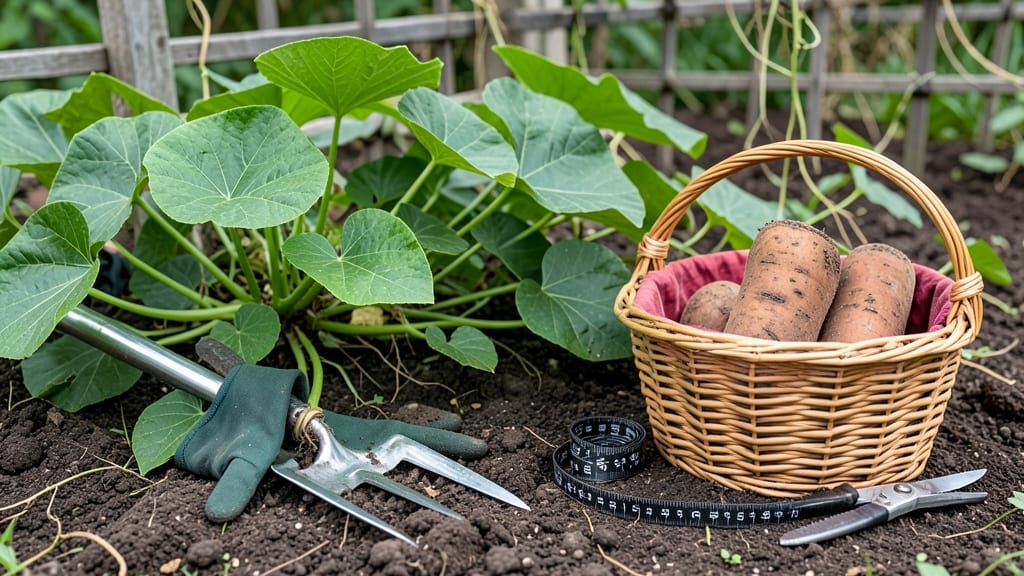
Harvesting yams at the right time turns a starchy mess into sweet, velvety roots that taste like dessert 🍠. The key? Waiting until the leaves yellow and the skin resists your thumbnail—too early, and you’re left with bland tubers; too late, and they split or rot.
Most yams in Zone 6a are ready between 9 and 12 months after planting, but timing shifts with variety and climate. A purple yam might need an extra month, while water yams mature faster in warm soil.
Skip the guesswork with the three finger-press tests I’ll show you—no fancy tools required.
Beyond the calendar, watch for visual cues like crispy leaves and toughened skin. Digging too soon means small, watery tubers; waiting too long risks frost damage or cracked roots. Below, I’ll walk you through how to read your yams’ signals and adjust for your region’s first frost date.
Ready to go from meh to mouthwatering? You’ll leave here knowing exactly when to harvest for peak flavor—and how to store them so they stay sweet through winter.


3 Finger-press tests to determine yam harvest readiness
Harvesting yams at the right time transforms them from tough, fibrous roots into sweet, velvety tubers packed with flavor. Unlike potatoes, yams don’t have obvious above-ground signals, so I rely on three simple finger-press tests to gauge maturity.
These tactile checks save me from digging up underripe or overmature roots—both of which ruin storage potential and taste.
The key is understanding how skin texture, root size, and leaf condition work together to signal readiness. Tropical yams (like white yams) and temperate varieties (such as purple yams) follow similar principles but may vary slightly in timing.
For example, my purple yams often take 10-12 months to mature, while water yams can be ready in as few as 8 months. Below, I’ll walk you through each test with clear visual cues.
🌱 Numbered Highlights: Yam Harvest Readiness Tests
-
Test 1: Skin Color & Firmness
Press a thumbnail into the tuber’s skin surface. If it springs back slightly (like a ripe avocado), the yam is ready to harvest. Overripe tubers will leave a permanent dent. -
Test 2: Leaf Yellowing Pattern
Check for uniform yellowing of leaves from the bottom upward. If 70%+ of leaves are crispy and brown, dig carefully—this means the tubers are fully mature. -
Test 3: Root Size & Depth
Gently probe the soil around the plant base with your fingers. If you feel 6+ inch-long tubers (varies by variety), it’s time. Smaller roots (<3 inches) need more time.
Let me break down each test in more detail, starting with the skin firmness check, which is my go-to method. When I first began growing yams, I’d dig up tubers too early because I didn’t realize how deceptive skin texture can be.
Young yams often have a smooth, glossy skin that feels soft to the touch, but this doesn’t mean they’re ready. Instead, focus on the resistance to pressure—a mature yam’s skin should feel slightly leathery but not hard.
For example, my white yams develop a matte, sandpaper-like texture when ripe. I learned this the hard way after harvesting a batch that was still mealy inside. Now, I always run my thumb along the skin before digging.
If the skin doesn’t dent easily, the yam is likely perfect for harvest. This test works best in the late afternoon when tubers have warmed slightly—cold soil can make them feel firmer than they are.
The leaf yellowing test is my second favorite because it’s the most visible cue. Unlike potatoes, which often die back completely before harvest, yams gradually yellow from the bottom up. I aim for 70-80% yellow leaves before digging, as this indicates the nutrient reserves have fully transferred to the tubers.
One year, I waited until all leaves were crispy, and my purple yams had shriveled slightly—a sign of overmaturity. Now, I harvest when just 20% of leaves remain green.
Don’t overlook the root size test, especially if you’re growing large yam varieties like yellow yams or water yams. These can grow over a foot long if left in the ground too long.
I use a garden trowel to gently loosen soil around the plant base, then feel for firm, rounded tubers. If they’re smaller than a baseball, give them another 2-4 weeks. Larger varieties may need 6-8 months to reach full size, so adjust your timeline accordingly.
Regional differences also play a role in timing. In USDA Zone 6a, where I garden, I harvest yams before the first frost (typically by mid-October). However, in warmer climates (Zones 8-10), yams can stay in the ground until December or January.
Always check your local frost dates and adjust the finger-press tests accordingly. For instance, if frost is imminent and your yams pass the skin firmness test but leaves aren’t fully yellow, harvest anyway—they’ll still store well.
One common mistake I see is over-relying on days to maturity listed on seed packets. While yams typically take 9-12 months, soil temperature and rainfall can shorten or lengthen this window.
For example, my water yams matured in 8 months during a hot, wet summer, while the same variety took 11 months in a cooler year. That’s why the finger-press tests are non-negotiable—they account for environmental variables better than a calendar ever could.
After harvesting, I always cure my yams for 3-5 days in a warm, humid space (80-85°F) to develop their sweetness. This step amplifies the flavors you’ve worked so hard to achieve through proper timing.
Whether you’re growing purple yams, white yams, or water yams, mastering these three tests will ensure you never harvest too early or too late again.
Ready to put these tests to work? Grab a garden notebook and track your yams’ progress—note the skin texture, leaf color, and root size each week. Before you know it, you’ll be digging up perfectly ripe, sweet yams that taste like a tropical vacation in every bite. 🌱
How climate and variety affect yam harvest timing
Climate plays a huge role in when you harvest yams. Tropical varieties like water yams thrive year-round in warm regions, while temperate yams (common in USDA Zone 6) need cooler seasons to mature.
In my Zone 6 garden, I wait until first frost signals harvest time, but in Florida, yams can be harvested year-round with proper care.
Soil temperature also matters—yams grow best when soil stays above 60°F (15°C). In cooler climates, extended growing seasons (9-12 months) are needed, while tropical yams mature in just 6-8 months. Rainfall patterns further shift timing: too much water can delay harvest, while drought stress speeds it up.
Here’s how variety and climate impact your harvest window:
| Variety | Climate Zone | Harvest Time | Key Cues |
|---|---|---|---|
| Purple Yam | Tropical (Zone 10+) | 6-8 months | Leaves yellow, skin toughens |
| White Yam | Temperate (Zone 6-9) | 9-12 months | First frost, leaves crisp |
| Water Yam | Tropical (Zone 11+) | 8-10 months | Vines die back, tubers firm |
| Sweet Yam | Subtropical (Zone 7-10) | 7-9 months | Skin resists fingernail |
Purple yams in tropical zones mature faster due to longer growing seasons, while white yams in temperate zones take nearly a year. Water yams, often grown in swamps, thrive in high humidity and harvest when vines yellow—ignore this cue, and you risk woody tubers.
In my Zone 6 garden, I prioritize soil warmth and monitor leaf color. If frost hits before harvest, yams won’t sweeten properly. For tropical varieties, I focus on rainfall patterns: too much water can rot tubers, while drought stress forces early harvest.
Adjust your timing by 2-3 months if you’re in a warmer zone. For example, sweet yams in Florida may be ready by October, but in Zone 6, I wait until November-December. Always dig a test tuber to check size and firmness—this is your best indicator of readiness.
Pro tip: Mulch heavily in cooler climates to protect tubers from frost. In tropical zones, shade cloth prevents overheating. Pay attention to these local cues, and your yams will reward you with perfect flavor.